




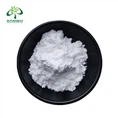
Lithium orotate and lithium refer to the same element, lithium, but they are chemically different compounds with potentially different properties. It is a combination of lithium and orotic acid, while lithium typically refers to lithium carbonate or lithium citrate, which are distinct chemical forms of lithium. Lithium carbonate is the most commonly prescribed form of lithium for treating mood disorders like bipolar disorder. It is a medication that is carefully dosed and monitored due to its potential for side effects and toxicity.
Lithium orotate, on the other hand, is sometimes promoted as a dietary supplement for mood support and mental health, although its efficacy and safety for these purposes are not well-established. Some proponents claim that it is more bioavailable and better absorbed by the body compared to other forms of lithium, but scientific evidence supporting this claim is limited.

It's crucial to note that any form of lithium, whether prescribed as a medication or taken as a supplement, should be approached with caution and taken under the guidance of a healthcare professional due to the potential for side effects and toxicity. It is imperative that you speak with a healthcare professional before using this product or any other form of lithium in order to identify the proper dosage, form, and monitoring for your safety and wellbeing.
Is lithium safe to take as a supplement
Lithium is a naturally occurring element that can have both beneficial and potentially harmful effects on the body, depending on the dosage and individual circumstances. While lithium is commonly used in the treatment of mood disorders like bipolar disorder, its use as a supplement is a topic of debate. Here are some key points to consider regarding the safety of taking lithium as a supplement:
1. Potential Benefits: Some research suggests that low-dose lithium supplementation may have neuroprotective and mood-stabilizing effects. It has also been studied for its potential benefits in supporting brain health and cognitive function.
2. Potential Risks: Lithium is a medication that requires careful monitoring due to its narrow therapeutic range. Even at low doses, lithium can potentially cause side effects such as gastrointestinal disturbances, tremors, thirst, and kidney issues. Long-term use of lithium at higher doses can lead to more severe side effects and toxicity.

3. Individual Considerations: The safety of taking lithium as a supplement can vary depending on factors such as your overall health, existing medical conditions, medications you may be taking, and any history of kidney or thyroid disorders.
4. Professional Guidance: If you are considering taking lithium as a supplement, it is crucial to consult with a healthcare provider, preferably one with experience in mental health or integrative medicine. They can help assess whether lithium supplementation is appropriate for you, determine the proper dosage, and monitor for any potential side effects.
In conclusion, while some individuals may benefit from low-dose lithium supplementation under the guidance of a healthcare provider, it is essential to approach its use with caution and ensure that it is done in a safe and supervised manner.
What is the supplement good for
It is sometimes promoted as a dietary supplement for various purposes, although the scientific evidence supporting its efficacy for these uses is limited. Some proponents suggest that this product may have potential benefits for the following:
1. Mood Support: It has been suggested that this product may have mood-stabilizing properties, and some individuals believe it could help support emotional well-being.
2. Cognitive Function: There is some speculation that It may support cognitive function and brain health, potentially offering neuroprotective effects.
3. Stress Reduction: It has been suggested that this product could help reduce stress and anxiety, although substantial scientific evidence for this claim is lacking.

It's important to note that while these potential benefits have been discussed anecdotally and in some alternative health circles, the scientific literature on this product is limited. Additionally, the safety and appropriate use of lithium orotate as a dietary supplement should be carefully considered, as lithium can have potentially serious side effects and interactions with other medications.
If you are considering using this product as a supplement for any specific purpose, it is crucial to consult with a healthcare professional before doing so. They can provide personalized guidance, assess the available evidence, and help you make informed decisions that prioritize your well-being.
What are the side effects
Like other forms of lithium, it has the potential to cause side effects, particularly if taken at high doses or for prolonged periods. It's important to note that the evidence regarding the specific side effects of this product is limited due to the relative lack of rigorous scientific research on this specific compound. However, it's essential to be aware of the potential side effects commonly associated with lithium in general, as they may also apply to lithium orotate. These potential side effects include:
1. Gastrointestinal Disturbances: Nausea, vomiting, diarrhea, and stomach pain.
2. Thirst and Increased Urination: Lithium can affect kidney function, leading to increased thirst and urination.
3. Tremors: Shaking of the hands or other parts of the body.
4. Thyroid Function: Lithium can interfere with thyroid hormone production and function, potentially leading to hypothyroidism.

5. Kidney Function: Long-term use of lithium can affect kidney function and may lead to kidney damage in some individuals.
6. Neurological Effects: Cognitive dulling, memory issues, and issues with coordination.
7. Weight Gain: Some individuals may experience weight gain while taking lithium.
It's important to underscore that the above list is not exhaustive, and individual responses to this product can vary. Moreover, it's essential to consult with a healthcare professional before using this product or any form of lithium as a supplement. A qualified healthcare provider can provide personalized guidance, monitor any potential side effects, and help make informed decisions about the use of this supplement.