




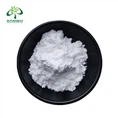
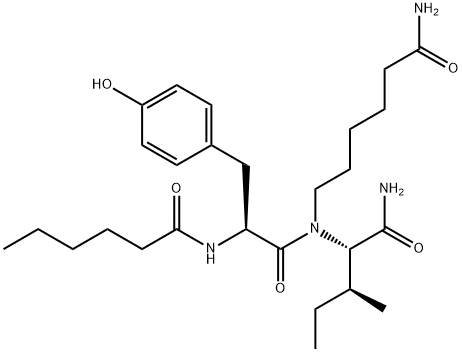
Dihexa is an experimental neurotrophic compound being studied for its potential impact on brain function and cognitive health. Research suggests that Dihexa may promote synapse formation, neuronal growth, and neuroplasticity via the HGF/c-Met signaling pathway. Unlike traditional stimulants, Dihexa is attracting research interest for its potential role in memory, learning, and neuronal communication.
Is Dihexa a stimulant
Dihexa peptide is not a traditional stimulant like caffeine, amphetamines, or modafinil. It is a neurotrophic compound currently under research; its potential mechanism of action involves supporting brain function through pathways linked to HGF/c-Met signaling, synaptogenesis, and neuronal plasticity. Unlike stimulants that induce alertness and energy by rapidly boosting levels of neurotransmitters such as dopamine and norepinephrine, Dihexa is believed to influence cognitive processes more gradually by supporting neural connections. Preclinical studies and anecdotal reports suggest it may positively affect memory, learning ability, and mental clarity, though these benefits have not yet been confirmed in human clinical trials. While Dihexa is not expected to cause typical stimulant effects-such as jitteriness or sudden energy surges-some users may experience changes in mental activity or sleep patterns. For more information about Dihexa peptide research, applications, and related scientific developments, please feel free to contact Xi'an Sonwu for professional support and further details.
What are the benefits of Dihexa
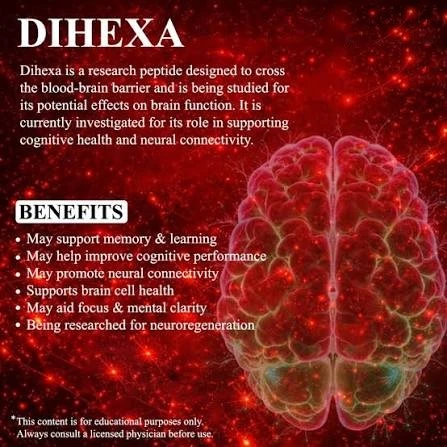
Dihexa is an experimental neurotrophic compound derived from angiotensin IV research, attracting significant attention due to its potential effects on brain health and cognitive function. Preclinical studies suggest that Dihexa may promote synapse formation, neuronal growth, and neuroplasticity by influencing the HGF/c-Met signaling pathway, which plays a crucial role in neural repair and neuronal communication. Related research has explored its potential benefits in enhancing learning and memory, promoting neuronal survival, and enhancing brain resilience in models of cognitive decline and neurodegenerative diseases. Currently, Dihexa is primarily used for research purposes.
How long does Dihexa take to work?
In animal studies, the time required for Dihexa to demonstrate therapeutic effects varies depending on the experimental model, dosage, and assessment metrics. As Dihexa is an experimental research compound, there is currently no established onset time or duration of action for humans.
Preclinical studies indicate that while some biological effects may manifest relatively quickly, others may require prolonged, continuous administration:
Early molecular effects: Dihexa has been reported to influence mechanisms associated with the HGF/c-Met signaling pathway, which is closely linked to neuronal growth and synaptic communication. Changes in these signaling pathways can be observed within a relatively short time after administration in laboratory models.
Cognitive and behavioral effects: In animal models involving memory impairment, improvements in learning and memory capabilities are typically observed following repeated administration over several days to weeks, rather than after a single dose. These effects are believed to be associated with enhanced synaptic plasticity and the remodeling of neural networks.
Neuroprotective effects: Research on Dihexa in models of cognitive decline and neuronal damage suggests that potential benefits may become more pronounced with extended treatment, as processes such as synaptogenesis, neuronal repair, and adaptive adjustments require time.
Thus, animal studies indicate that the action of Dihexa is likely a gradual process linked to changes in neuroplasticity, rather than an immediate stimulatory effect.
Why is the Dihexa peptide of interest for autism
The Dihexa peptide has attracted attention in autism-related research due to its potential impact on brain development, synaptic plasticity, and neurotrophic signaling. Current evidence stems primarily from laboratory and animal studies.
Why Dihexa is a subject of autism research
1. Potential to support synapse formation and connectivity
Some studies suggest that autism is associated with differences in neuronal communication and the formation of connections. Dihexa has been reported to enhance signaling in the hepatocyte growth factor (HGF)/c-Met pathway, which plays a crucial role in neuronal growth and synapse formation. Researchers are investigating whether improving synaptic plasticity might help address certain neurological characteristics associated with ASD.

2. Potential impact on neuroplasticity
Dihexa is regarded as a neurotrophic research compound because it may promote processes such as the formation of new neural connections, the strengthening of existing synapses, and the adaptive adjustment of neural circuits.
Given that autism involves complex differences in the development and function of brain networks, compounds capable of influencing neuroplasticity are being explored as potential research tools.
3. Possible impact on cognitive function
Preclinical studies indicate that Dihexa may improve certain aspects of learning and memory by supporting neuronal communication. Some researchers have explored whether enhancing cognitive pathways could be relevant for conditions involving cognitive impairment; however, this does not imply that it improves autism symptoms.
4. Interaction with brain growth and repair pathways
Dihexa is being studied for its ability to activate pathways related to neuronal survival, brain repair mechanisms, and synaptic maintenance. These mechanisms are of particular interest because some autism research focuses on abnormal changes in neuronal signaling and brain network regulation. The limitations regarding the use of Dihexa for autism treatment remain to be explored.
For any questions regarding Dihexa peptide pricing or products, please contact us directly at Xi'an Sonwu.
Email: sales@sonwu.com
Reference: 《Journal of Neurochemistry》