




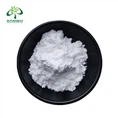
Bempedoic acid is an innovative lipid-lowering compound designed to help manage elevated low-density lipoprotein (LDL) cholesterol levels through a unique mechanism of action. As an ATP citrate lyase (ACL) inhibitor, it works by reducing hepatic cholesterol synthesis and promoting the clearance of LDL cholesterol from the blood. With its liver-specific activation and potential benefits for patients experiencing muscle-related issues associated with statin use, the compound has become a key focus in cardiovascular health research and cholesterol management strategies.
What is Bempedoic Acid
Bempedoic acid powder is available in both research-grade and pharmaceutical-grade forms. It is a small-molecule compound developed as an oral lipid-lowering drug to manage elevated low-density lipoprotein (LDL) cholesterol levels. Classified as an ATP citrate lyase (ACL) inhibitor, it reduces cholesterol production in the liver.
Following administration, it is primarily converted within hepatocytes into its active metabolite, bempedoic acid-CoA. This active form inhibits the ACL enzyme, which plays a critical role in the early stages of cholesterol synthesis. As with any active pharmaceutical ingredient, its use must adhere to applicable regulatory standards and medical guidelines, as factors such as dosage, purity, and individual health status influence the drug's safety and efficacy. Xi'an Sonwu provides professional support and product information regarding bempedoic acid research and specifications.

How does bempedoic acid help lower LDL cholesterol
Bempedoic acid helps lower LDL cholesterol by blocking cholesterol production in the liver, thereby prompting the liver to clear more LDL cholesterol (the "bad cholesterol") from the bloodstream.
Its primary mechanism of action involves the following steps:
1. Inhibition of ATP citrate lyase (ACL)
It is converted within the liver into its active form-bempedoic acid-CoA-thereby inhibiting ATP citrate lyase (ACL). ACL is a key enzyme involved in the early stages of cholesterol synthesis; it acts upstream of HMG-CoA reductase (the target of statins).
2. Reduction of hepatic cholesterol synthesis
By blocking ACL, the compound reduces cholesterol production within hepatocytes. This reduction lowers intracellular cholesterol levels in the liver.
3. Increase in LDL receptor activity
When hepatic cholesterol levels drop, the liver responds by increasing the number of LDL receptors on its surface. These receptors capture LDL particles from the blood and transport them into hepatocytes for clearance.

4. Reduction of circulating LDL cholesterol
The increased clearance of LDL particles from the blood reduces LDL cholesterol levels. Clinical studies show that it monotherapy can lower LDL cholesterol by approximately 15%–25%; the reduction is even greater when used in combination with other lipid-lowering therapies, such as ezetimibe.
Unlike statins, it is primarily activated in the liver and shows minimal activity in skeletal muscle, making it a potentially beneficial treatment option for individuals who experience muscle-related side effects from statins. Bempedoic acid lowers LDL cholesterol levels by inhibiting ATP citrate lyase, reducing hepatic cholesterol synthesis, increasing LDL receptor expression, and enhancing the clearance of circulating LDL cholesterol.
Is bempedoic acid as good as a statin
Both bempedoic acid and statins are cholesterol-lowering drugs that reduce low-density lipoprotein (LDL) cholesterol levels by decreasing hepatic cholesterol production; however, they target different enzymes within the cholesterol synthesis pathway.
The compound works by inhibiting ATP citrate lyase (ACL), an enzyme involved in the early stages of cholesterol synthesis. This inhibition reduces cholesterol synthesis in hepatocytes, thereby upregulating LDL receptor expression and enhancing LDL clearance from the blood.
In contrast, statins inhibit HMG-CoA reductase-a key enzyme in the later stages of cholesterol synthesis; this inhibition leads to a more substantial reduction in cholesterol production, resulting in a more potent LDL cholesterol-lowering effect.

There are key differences between the two regarding potency, mechanism of action, and tolerability profiles.
Statins generally achieve more significant reductions in LDL cholesterol (ranging from approximately 20% to 60%, depending on the specific drug and dosage) and remain the first-line therapy for cardiovascular disease prevention, supported by robust clinical evidence.
When used as monotherapy, the compound typically lowers LDL cholesterol by about 15% to 25%, and it can also be combined with other therapies to enhance efficacy. Because it is primarily activated in the liver and has limited activity in skeletal muscle, it may be a suitable option for patients who cannot tolerate statin-associated muscle symptoms. However, the drug may cause elevated uric acid levels and an increased risk of gout in some individuals; therefore, the choice of treatment regimen should be based on an individual's specific health needs and risk factors.
What Are The Side Effects Of Bempedoic Acid
Bempedoic acid is generally well-tolerated, but like other cholesterol-lowering medications, it may cause side effects in some people. The most commonly reported side effects include:
Elevated uric acid levels and gout: Bempedoic acid can raise blood uric acid levels, which may trigger gout attacks, particularly in individuals with a history of gout.
Muscle-related symptoms: Some patients may experience muscle pain, stiffness, or discomfort, although these symptoms appear to occur less frequently than with many statins.
Elevated liver enzymes: Mild increases in liver function markers may occur; these are typically monitored during treatment.

Tendon issues: In very rare cases, the compound has been associated with tendon rupture or other tendon-related injuries, especially in individuals with risk factors such as advanced age, certain underlying conditions, or corticosteroid use.
Anemia: A small number of patients may experience decreased hemoglobin or red blood cell counts.
Common mild side effects: These may include upper respiratory tract infections, back pain, abdominal discomfort, or nausea.
For inquiries about bempedoic acid powder pricing, interest in Xi'an Sonwu, or other product questions, please contact Xi'an Sonwu directly.
Email:sales@sonwu.com
References:https://www.biosynsis.com/atp-citrate-lyase-inhibitors.html