




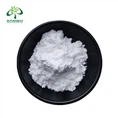
The pursuit of youthful, radiant skin often draws our attention to the complex interplay between muscle movement and skin aging. As repetitive facial expressions gradually carve fine lines and wrinkles into our skin, many seek solutions that go beyond surface treatments and delve deeper into the mechanisms of aging. It is a complex synthetic peptide that mimics the neuromodulatory effects of botulinum toxin without the need for invasive procedures or affecting the skin's natural expression. By selectively inhibiting neurotransmitter release and muscle contraction, it offers a gentle yet practical approach to reducing dynamic wrinkles while promoting collagen synthesis and skin hydration. In this discussion, we will explore the mechanism of action, comparative advantages, and cosmetic applications of Acetyl Heptapeptide 4, explaining why it is being hailed as a breakthrough in topical anti-aging skincare.
What Is Acetyl Heptapeptide 4
Acetyl heptapeptide 4 powder is a synthetic peptide composed of seven amino acids linked to an acetyl group. It is primarily used as an ingredient in cosmetics and skincare products with potential anti-aging benefits. By preventing the release of neurotransmitters, this peptide replicates the actions of botulinum toxin, also known as Botox.
It is known for relaxing facial muscles, minimizing the appearance of fine lines and wrinkles, and promoting smoother, more youthful-looking skin. It targets explicitly expression lines, such as crow's feet and forehead wrinkles. Furthermore, it encourages the production of collagen, which plumps up the skin, improves moisture, and improves skin texture. This peptide also possesses antioxidant properties, helping to protect the skin from free radical damage. This mechanism has earned it the nickname "botulinum-like" or "topical Botox," but unlike Botox, it does not paralyze muscles; it simply reduces the intensity of muscle contractions. Therefore, it does not cause muscle stiffness or frozen expressions. Instead, it works to restore the skin's natural homeostasis, maintaining facial expression while effectively minimizing wrinkles caused by repetitive muscle movement. This non-invasive nature makes it an ideal choice for those seeking a gentle, gradual anti-aging solution. Do not hesitate to contact Xi'an Sonwu for more information if you have any questions or are interested in Acetyl Heptapeptide 4.

What Is The Mechanism Of Action Of Acetyl Heptapeptide 4
Acetyl Heptapeptide 4 is an intelligent active ingredient used in skincare products. Its mechanism of action is quite ingenious: it can be understood as sending a "relax" command to the muscles on the skin's surface.
Its core working principle is simulation and competition. Our muscle contraction depends on the release of specific signaling substances (neurotransmitters) from nerve endings, and this release process requires a sophisticated structure (like a zipper) called the SNARE complex. The entire process of communication between nerve cells and muscle cells (instructing them to contract) relies on a complex called the SNARE complex, which is responsible for fusing neurotransmitter-filled vesicles with the nerve cell membrane and releasing their contents into the synapse, thereby triggering muscle contraction. Its core proteins include SNAP-25, syntaxin, and VAMP (synaptobrevin protein). Acetyl Heptapeptide 4 targets a specific part of this complex explicitly.
During normal contraction, the intact SNAP-25 protein must properly bind to synaptophysin and VAMP to form a tight and stable complex, thereby promoting vesicle fusion. When it is topically applied and delivered to the target area, it competes with the native, full-length SNAP-25 protein for binding sites on synaptophysin. Because the peptide is a fragment, it can bind to synaptophysin but cannot complete the assembly of a functional SNARE complex. Thus, acetyl heptapeptide 4 acts as a "pseudo-zipper." It mimics a fragment of a key protein in the SNARE complex (SNAP-25) and preemptively binds to the target protein. However, this "pseudo-zipper" fails to function correctly, preventing the entire zipper from closing, effectively blocking the release of neurotransmitters.

Because signals from nerve cells are inhibited or interrupted, the underlying facial muscles receive a weakened "contraction" command. Muscle fibers relax more than usual, reducing the continuous, subtle contractions that cause dynamic wrinkles. Consequently, the underlying muscles receive weaker contraction signals, resulting in a more relaxed and smoother muscle contraction. In addition to reducing the frequency of muscle contractions, this also helps minimize dynamic wrinkles caused by facial movement, such as crow's feet and forehead wrinkles. This makes it an ideal choice for those seeking precise skincare and gentle anti-aging treatments.
Is Acetyl Heptapeptide 4 More Effective Than Palmitoyl Tripeptide-1
There's no universally "more effective" ingredient, as they work by completely different mechanisms. Choosing the right one depends entirely on your specific skincare needs.
Palmitoyl Tripeptide-1 is more effective for promoting collagen synthesis and enhancing skin firmness, but Acetyl Heptapeptide 4 is better at reducing expression lines and relaxing muscles.
Acetyl Heptapeptide 4 is a more targeted option for expression lines (such as frown lines, crow's feet, and laugh lines). It works by inhibiting nerve signals that cause muscle contraction, thereby reducing excessive muscle movement and smoothing and preventing the formation of dynamic wrinkles.
Palmitoyl Tripeptide-1 is an ideal option for sagging, lack of elasticity, and static wrinkles. It mimics skin damage signals, tricking the skin into activating its own repair mechanisms, thereby effectively stimulating collagen and hyaluronic acid production, which improves firmness, elasticity, and reduces wrinkle depth in the dermis.

Thus, the most comprehensive anti-aging strategy isn't choosing one or the other, but instead using both in synergy. They work together through distinct and complementary pathways – one acting on the muscle layer to control wrinkle formation, and the other on the dermis to rebuild structural support, thereby combating multiple signs of aging more comprehensively and effectively.
For inquiries about acetyl heptapeptide 4 powder pricing, interest in Xi'an Sonwu, or other product-related questions, please get in touch with Xi'an Sonwu directly.
Email: sales@sonwu.com