




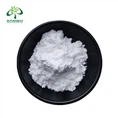
Traditional adhesives often fail under moisture, pressure, or biological conditions. Mussel Adhesive Protein (MAP), derived from the natural secretions of marine mussels, offers a breakthrough solution. It exhibits unparalleled underwater adhesion and self-healing properties. It rapidly forms stable bonds on a variety of surfaces, from metals and plastics to human tissue, enabling applications in biomedical, marine, and cosmetics. In this article, we delve deeper into the principles, advantages, and diverse uses of this remarkable bioadhesive.
What Is Mussel Adhesive Protein
Mussel adhesive protein powder a unique bioadhesive called mussel adhesive protein , or MAP. It is secreted by the byssal structure, which consists of several thin filaments formed at the end of the mussel's foot. The secreted mucin binds these byssal threads together. Its notable characteristic is its rich content of dihydroxyphenylalanine (DOPA) residues, which, in moist environments, can form covalent and non-covalent bonds with various substrates, resulting in remarkable adhesion.
Due to DOPA, mussel mucin's remarkable adhesive properties allow it to rapidly solidify in moist environments and adhere quickly and firmly to various marine surfaces without being destroyed by water. This adhesive property is of great interest to biologists. It holds broad application potential in biology and materials science. Its applications range from biomedicine to marine engineering, where it can promote healing and treat rhinitis, and its adhesive properties can be used for protection and fixation in marine engineering. Furthermore, it is used in skincare products with protective and air-freshening properties, and in everyday chemical products. As you can see, it is effective and safe, so Xi'an Sonwu can provide mussel adhesive protein if you require it.

How Does Mussel Adhesive Protein Work
The excellent underwater adhesion of marine mussel adhesive proteins is primarily due to their unique chemical composition and multiple mechanisms of action. The protein is rich in key amino acids such as lysine and 3,4-dihydroxyphenylalanine (DOPA), with DOPA residues playing a central role in the adhesion process. They not only bind to various surfaces through hydrogen bonding but also form stable chelate bonds with metal ions and even undergo covalent crosslinking upon oxidation, enabling rapid curing and creating a strong adhesive layer in humid environments. This process typically initiates rapidly upon contact with seawater, with DOPA oxidizing to form dopaquinone, which further promotes the formation of a protein network, enhancing cohesive strength and interfacial adhesion.
Furthermore, the protein exhibits exceptional environmental responsiveness and durability. Its structure dynamically adjusts its adhesion strategy with pH changes, adapting to varying acidic and alkaline environments. Furthermore, the protein network possesses both rigidity and elasticity, dissipating mechanical stress and resisting water impact. It also maintains a certain degree of self-healing ability, capable of reconnecting after partial bond breakage, ensuring sustained and stable adhesion. These properties enable mussels to firmly adhere to different substrates such as metals, plastics, and even biological tissues, and also provide valuable molecular models and design ideas for the design of biomimetic materials, especially in the fields of underwater repair, medical adhesives, and tissue engineering.

What Are The Advantages Of Mussel Adhesive Protein
Marine mussel adhesive protein has attracted considerable attention as a biomaterial due to its unique and diverse advantages. Its most notable advantage is its ability to maintain strong adhesion even underwater and in completely wet environments, effectively resisting water displacement and making it an irreplaceable material in humid environments. Rich in amino acid residues such as dopamine (DOPA), this protein exhibits exceptional versatility by strongly interacting with a variety of surfaces, including metals, plastics, ceramics, and biological tissues. Furthermore, upon contact with seawater, it rapidly undergoes oxidative crosslinking and curing, significantly improving bonding efficiency and meeting practical needs for rapid fixation.
In terms of mechanical properties, this protein exhibits both toughness and elasticity, enabling the adhesive layer it forms to effectively dissipate and withstand sustained mechanical stresses, such as wave impact. More astonishingly, it has built-in self-healing properties that can regenerate once interfacial adhesion is harmed, significantly increasing the adhesive's dependability and longevity. Its strong internal cohesive strength ensures the stability of the protein network, while its adequate interfacial adhesion ensures a secure bond to the substrate. Furthermore, as an innovative, responsive material, its structure and adhesion mechanism can dynamically adjust according to changes in environmental pH, further broadening its application range.
In addition to its excellent physical and chemical properties, mussel mucin is highly biocompatible and biodegradable. Because it is derived from a natural biological system, it exhibits great potential for biomedical applications, potentially reducing the immune rejection and toxicity associated with traditional synthetic materials. Furthermore, increasing research on mussel mucin has revealed potential benefits in skincare and healthcare, including wound healing, antibacterial, moisturizing, anti-inflammatory, antioxidant, and skin regeneration.

These advantages make marine mussel mucin valuable beyond its natural functions. It not only serves as a model for understanding bioadhesion mechanisms but also inspires interdisciplinary technological innovation, particularly in the fields of biomedical care, underwater repair technologies, environmentally friendly coatings, and advanced biomimetic materials.
If you would like to inquire about the price of mussel mucin or other product information, please get in touch with Xi'an Sonwu directly. Xi'an Sonwu can provide mussel adhesive protein powder.
Email: sales@sonwu.com