




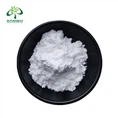
Rapamycin powder, or sirolimus powder and AY 22989 powder, is a raw material used to prepare rapamycin drugs or for research purposes. It can be made into various dosage forms, such as oral tablets, capsules, or injections, for clinical treatment of immunosuppression after organ transplantation, diseased cell therapy, etc. In the research field, it is widely used to study the mechanism of the mTOR pathway, anti-aging effects, diseased cell group research, etc. It is an essential reagent in many cell and animal experiments to study its biological effects.

How Does Rapamycin Help Aging
Because of its potential to impact the mTOR (mechanistic target of rapamycin) pathway, which is essential for controlling cell growth, metabolism, and aging, it is regarded as one of the most promising anti-aging drugs. This is how it contributes to anti-aging:

1. Inhibits the mTOR pathway
Role of mTOR in aging: The mTOR pathway is central to cell growth, protein synthesis, and metabolism. While the path supports growth and repair early in life, its continued activation later in life has been linked to age-related diseases, such as diseased cell populations, neurodegenerative diseases, and metabolic disorders.
Role of sirolimus: It inhibits the mTOR pathway, specifically mTOR complex 1 (mTORC1). Doing so reduces cellular processes that contribute to aging, such as excessive cell growth, protein synthesis, and inflammation.

2. Promotes autophagy
Autophagy and aging: To preserve the health of their cells, autophagous cells eliminate harmed proteins and organelles. As we age, autophagy function declines, leading to the accumulation of cellular damage.
Effects of sirolimus: By inhibiting mTOR, it promotes autophagy, which helps cells precise damaged components, thereby improving cellular function and potentially extending lifespan.
3. Reduce inflammation
Chronic inflammation and aging: Chronic low-level inflammation, often called "inflammaging," is a hallmark of aging and contributes to various age-related diseases.
Effects of sirolimus: It has been shown to reduce inflammation by modulating immune responses. Reduction in chronic inflammation is another way that rapamycin slows the aging process.
4. Improve mitochondrial function
Mitochondrial dysfunction and aging: Ageing is caused in part by a reduction in mitochondrial activity, which lowers energy generation and increases oxidative stress.
Effects of sirolimus: It has been observed to improve mitochondrial function, which helps maintain cellular energy levels and reduces oxidative damage.

5. Lifespan extension in animal models
Research results: Studies in various animal models, including mice, have shown that sirolimus can extend lifespan. In these models, rapamycin therapy can lengthen life expectancy and postpone the onset of age-related illnesses.
6. Potential neuroprotective effects
Neurodegenerative diseases: Alzheimer's and Parkinson's disease are two neurodegenerative disorders that are linked to an increased risk of aging.
sirolimus neuroprotective effects: Some studies have shown that rapamycin can protect against neurodegeneration by reducing the accumulation of toxic proteins in the brain, enhancing autophagy, and reducing inflammation.

Does Rapamycin Improve Memory
Research suggests that rapamycin may positively impact memory and cognitive function. However, the findings are primarily based on animal studies and are still under investigation for human applications. Here's a summary of how sirolimus might improve memory:
1. Reduction of Neuroinflammation
Chronic Inflammation and Cognitive Decline: Chronic neuroinflammation is associated with cognitive decline and memory impairments in aging and neurodegenerative diseases like Alzheimer's.
Sirolimus's Effect: It has been shown to reduce neuroinflammation by inhibiting the mTOR pathway. This reduction in inflammation can improve cognitive function and memory by creating a healthier brain environment.
2. Promotion of Autophagy
Accumulation of Cellular Debris: As we age, the brain can accumulate damaged proteins and cellular debris, impairing cognitive function and memory.
Role of sirolimus: It promotes autophagy, the process by which cells clear out damaged components. Enhanced autophagy in the brain may help maintain cognitive function and improve memory by preventing the buildup of harmful proteins.

3. Synaptic Plasticity
Importance of Synaptic Plasticity: For learning and memory, synapses' capacity to become stronger or weaker over time is known as synaptic plasticity.
Sirolimus's Impact: Some studies suggest that by modulating the mTOR pathway, it can enhance synaptic plasticity, improving learning and memory. This is particularly important in the context of age-related cognitive decline.
4. Protection Against Neurodegeneration
Neurodegenerative Diseases and Memory Loss: Conditions like Alzheimer's disease involve significant memory loss and cognitive decline due to the degeneration of brain cells.
Sirolimus as a Neuroprotectant: It has shown potential in protecting against neurodegeneration by reducing mTOR activity. This protective effect might help preserve memory and cognitive function as people age.
5. Animal Studies
Evidence from Animal Models: Research with mice has demonstrated that it enhances memory and cognitive performance. For example, older mice treated with sirolimus improved performance in memory tests, suggesting that the drug can enhance cognitive abilities in aging.

Rapamycin Side Effects
Sirolimus is an effective drug for various medical conditions, but like all medications, it can have side effects. The severity of these adverse effects can vary depending on the dosage, length of usage, and unique characteristics of each patient. Here are the most common and significant side effects of it:
1. Immunosuppression and Infection Risk
Increased Susceptibility to Infections: It suppresses immune function and increases susceptibility to bacterial, viral, and fungal infections in patients.
Delayed Wound Healing: It can impair the body's ability to heal wounds, leading to slower recovery from injuries or surgeries.
2. Blood and Bone Marrow Effects
Thrombocytopenia: It can cause a decrease in platelet count (thrombocytopenia), leading to an increased risk of bleeding and bruising.
Anemia and Leukopenia: Additionally, it can lower white blood cell counts (leukopenia) and red blood cell counts (anemia), which can worsen infection risk and lead to exhaustion.
3. Metabolic and Cardiovascular Effects
Hyperlipidemia: It is known to increase cholesterol and triglyceride levels in the blood, elevating cardiovascular disease risk.

Hyperglycemia: It can cause elevated blood sugar levels, potentially leading to or exacerbating diabetes.
Edema: Fluid retention and swelling (edema), particularly in the lower limbs, can occur in some patients.
4. Gastrointestinal Issues
Mouth Ulcers: One of the more common side effects is the development of painful mouth sores or ulcers.
Diarrhea and Nausea: Gastrointestinal discomfort, including diarrhea, nausea, and abdominal pain, is also possible.
5. Renal and Hepatic Effects
Kidney Function: While it protects kidney transplants, it can also affect kidney function, mainly when used with other nephrotoxic drugs.
Liver Function: There is a potential for elevated liver enzymes, indicating stress or damage to the liver.
6. Respiratory Effects
Interstitial Lung Disease: Although rare, it can cause lung-related issues, including interstitial pneumonitis, leading to coughing, difficulty breathing, and other respiratory problems.

7. Skin and Hair Effects
Rash and Acne: Some patients may develop skin rashes, acne, or other dermatological reactions.
Hair Loss: Hair thinning or loss can occur in some cases.
8. Musculoskeletal Effects
Joint and Muscle Pain: Some patients report experiencing joint or muscle pain while taking it.
9. Neurological Effects
Headaches are a common side effect and may occur frequently in some patients.
If you want to know more about the rapamycin powder manufacturer, you can contact Xi'an Sonwu. Click the email to get a high-quality AY 22989 powder.
Email: sales@sonwu.com