




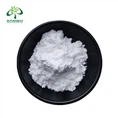
L-Glutamine powder
L glutamine powder is an encoded amino acid in protein synthesis, a non-essential amino acid in mammals, which can be converted from glucose in the body. It is an abundant essential amino acid, which means the body cannot synthesize it and must be obtained through diet or supplements. L-glutamine widely exists in nature; for example, it is contained in pumpkin and sunflower seedlings in a free state, and its N-ethyl compound is contained in tea leaves. It can be obtained from protein-rich foods such as meat, fish, dairy products, legumes, and certain fruits and vegetables. It is also available as a dietary supplement in powder or capsule form.
Glutamine is a non-essential amino acid; the human body can generally synthesize it in sufficient amounts without excessive intake. In contrast, essential amino acids can only be ingested from food. Under normal circumstances, the human body does not need additional glutamine supplementation. Still, in abnormal situations, such as specific diseases or severe damage to the body, the demand for glutamine will increase significantly. The primary function of glutamine is to regulate the immune part of the body, as well as protein synthesis and metabolism, as well as acid-base balance and glucose metabolism. Supplementing glutamine preparations promotes brain metabolism, enhancing muscle function and gastrointestinal mucosal lesions. With the application of glutamine more and more widely, there are more and more glutamine suppliers on the market. If you are also interested in the raw materials of health products, you can contact Xi'an Sonwu online.

How does L-glutamine work in the gut
L-Glutamine plays a crucial role in maintaining the health and function of the gastrointestinal tract. Here's how L-glutamine works in the gut:
Gut Barrier Function: Cells in the gastrointestinal tract use it as their primary fuel source. L-glutamine helps maintain the integrity and strength of the gut barrier, preventing harmful substances such as toxins and bacteria from entering the bloodstream.

Cell Growth and Repair: The cells in the GI tract, especially the rapidly dividing intestinal lining cells, require constant energy and building blocks for growth and repair. L-Glutamine provides these cells with the necessary fuel and nutrients, supporting their development, proliferation, and maintenance.
Immune System Support: The gut-associated lymphoid tissue (GALT), a significant part of the immune system, resides in the gut. L-Glutamine helps regulate immune function within the gut by providing energy to immune cells and enhancing the production of antibodies and cytokines involved in immune response and defense against pathogens.
Reducing Gut Inflammation: L-Glutamine has anti-inflammatory properties that can help reduce inflammation in the gut. It supports producing molecules with protective and anti-inflammatory effects, such as glutathione. By reducing gut inflammation, L-glutamine may alleviate symptoms associated with certain digestive disorders.

Balancing Nitrogen Levels: L-Glutamine plays a role in nitrogen metabolism in the gut. It helps transport excess nitrogen from peripheral tissues to the liver, which can be converted into urea and eventually excreted through urine. This process helps maintain the balance of nitrogen levels in the body.
Can L-glutamine cause problems
L-Glutamine is generally considered safe for most people when taken in appropriate doses. However, there are a few considerations and potential side effects to be aware of:
1. Allergic reaction
Some people may be allergic to L-glutamine or other amino acids.
2. Gastrointestinal diseases
In rare cases, high doses of L-glutamine can cause gastrointestinal uncomfortable such as abdominal pain, nausea, vomiting, or diarrhea.
3. Interactions with certain drugs
L-Glutamine may interact with certain medications, such as anticonvulsants, chemotherapy, and psychiatric medications.

4. People with certain diseases
Individuals with certain health conditions should exercise caution or avoid L-glutamine supplementation. It includes individuals with liver disease, kidney disease, Reye's syndrome, or certain metabolic disorders.
When should you take glutamine
The timing of L-glutamine supplementation can vary depending on individual preferences and goals. Here are a few suggested timing options for taking L-glutamine:
Pre-Workout: Some individuals prefer taking L-glutamine before workouts to support energy levels and muscle recovery during exercise. It can provide a readily available muscle fuel source and support exercise performance.
Post-Workout: Taking L-glutamine immediately after your workout can aid muscle recovery and repair. It can help replenish glycogen stores, reduce muscle soreness, and support the repair of damaged muscle tissues.
Before Bedtime: L-glutamine can also support overnight recovery and muscle rebuilding. During sleep, the body undergoes a natural repair and regeneration process, and L-glutamine can assist in this process.

FAQ
1. How much should you take?
General Maintenance: A typical L-glutamine dosage ranges from 5 to 10 grams daily for overall gut health and general maintenance.
Intense Exercise or Stressful Conditions: During periods of low physical activity, stress, or recovery from illness or injury, higher dosages of L-glutamine may be beneficial. In these cases, dosages of 10 to 20 grams per day.
Gut Healing and Digestive Disorders: Higher dosages of L-glutamine may be needed for specific gut healing purposes or certain digestive disorders. Dosages can range from 20 to 40 grams per day.

2. What is the standard collocation of L-glutamine?
It can be combined with other amino acids, vitamins, minerals, or specific supplements to complement its effects. Examples of common supplement stacks include:
Performance and Muscle Building: L-glutamine can be stacked with amino acids like branched-chain (BCAAs) or creatine to support muscle recovery, growth, and exercise performance.
Gut Health: L-Glutamine may be combined with other gut-supporting supplements such as probiotics, prebiotics, and digestive enzymes to enhance overall gut health and digestion.
Immune Support: L-glutamine can be included in immune-supporting supplement stacks that contain vitamins (e.g., vitamin C, zinc) and herbs (e.g., echinacea, elderberry) to provide comprehensive immune system support.
If you have any other questions or want to know, you can contact Xi'an Sonwu, Xi'an Sonwu will provide you with professional answers and high-quality products. Click on the email, and your questions will be answered.
Email: sales@sonwu.com