





Are you looking for a secret weapon to boost your brain's "bandwidth," or wondering why this compound, MKC-231, has researchers and geeks so fascinated? How exactly does this "brain accelerator," which not only improves memory but also sharpens your sensory world, work so magically between neurons?
What is MKC-231
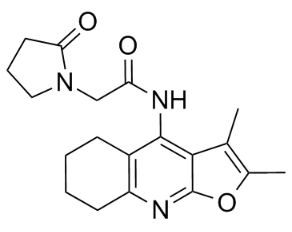
MKC-231 powder, also known as coruracetam, is a synthetic nootropic compound belonging to the piracetam class that has attracted attention for its potential cognitive-enhancing properties. Originally developed for the treatment of diseases such as Alzheimer's, its mechanism of action involves increasing the brain's uptake of high-affinity choline, thereby boosting acetylcholine production-a key neurotransmitter involved in memory, learning, and attention. Early studies and user reports suggest that it may improve mental clarity, memory, and mood, and that some users have also noticed enhanced sensory perception. However, clinical evidence in humans remains limited; it has not been approved for medical use in most countries, and its long-term safety is unclear. Therefore, it is typically used for research. If you are also interested in MKC-231, please feel free to contact Xi'an Sonwu.
What are the uses of MKC-231
MKC-231 is primarily used in research and experiments to explore its potential effects on brain function. In fact, it is often associated with improved cognitive abilities, particularly enhancing memory, learning, and attention. This is because it promotes the brain's uptake of choline, thereby increasing acetylcholine levels. Acetylcholine is a neurotransmitter crucial for information processing and memory. Therefore, some researchers and users are exploring its efficacy in enhancing memory, improving attention, and mental clarity.
Besides cognitive aspects, the compound has also been explored in early studies for its potential mood-related benefits, including effects on anxiety and depression, especially when standard therapies are ineffective. Furthermore, some anecdotal reports suggest it may affect sensory perception, such as enhancing visual or auditory experiences. It must be clear, however, that its use is still in the experimental stage. Currently, most MKC-231 on the market is available as a "research chemical."
What is the mechanism of action of MKC-231
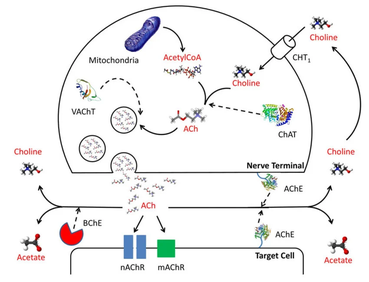
MKC-231 exhibits a unique, relatively specific mechanism of action among piracetam compounds, primarily by regulating the brain's cholinergic system. Unlike many other nootropic drugs that act on the glutamatergic pathway, it specifically targets high-affinity choline uptake (HACU)-the rate-limiting step in acetylcholine (ACh) synthesis, one of the most critical neurotransmitters involved in memory formation, learning ability, attention, and overall cognitive processes.
Under normal physiological conditions, neurons rely on an efficient choline transport system to maintain adequate acetylcholine production. This compound appears to enhance or restore this uptake mechanism, particularly in cases of impaired cholinergic function, such as neurodegenerative diseases or cognitive decline. MKC-231 effectively increases the supply of substrates required for acetylcholine synthesis by enhancing the efficiency with which neurons absorb choline from the extracellular environment.
More specifically, research suggests that MKC-231 may:
Upregulate or enhance HACU activity, thereby increasing choline levels within presynaptic neurons;
Promote the biosynthesis and release of acetylcholine, enhancing synaptic signaling involved in learning and memory pathways;
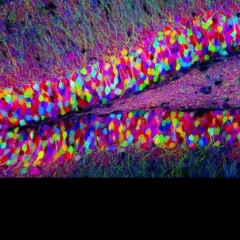
Improve the efficiency of cholinergic neurotransmission, particularly in brain regions closely related to cognition, such as the hippocampus and cortex;
Support the functional recovery of damaged cholinergic neurons, as observed in some preclinical models of neurological injury. This mechanism distinguishes this compound from many other piracetams, which are typically associated with the regulation of AMPA or NMDA glutamate receptors. It does not directly affect excitatory glutamatergic signaling but rather exerts a more targeted effect on cholinergic tone, making it particularly important in diseases where acetylcholine deficiency plays a central role.
In short, its mechanism of action can be described as: enhanced choline uptake → increased acetylcholine synthesis → improved cholinergic signaling → potential cognitive enhancement. This targeted pathway has generated considerable interest in the compound as a candidate drug for treating cognitive impairments, including memory loss and attention deficits. However, it must be emphasized that most of the current data comes from animal studies and limited early human trials; therefore, further clinical validation is needed.
Does MKC-231 affect sleep
MKC-231 is not primarily intended to aid sleep; its effects on sleep are indirect and inconsistent. While it doesn't directly regulate sleep, it may interfere with sleep by stimulating cholinergic neurotransmission. Taking it too late may affect sleep, especially in individuals sensitive to nootropics.
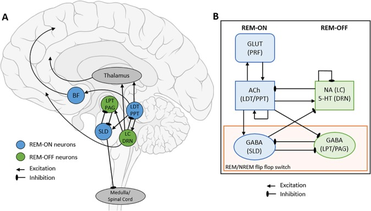
Because it enhances acetylcholine activity, it can affect brain arousal and mental activity, potentially influencing sleep patterns:
Possible effects on sleep:
Mild increase in alertness/excitement: Some users report feeling more mentally active, which may make it harder to fall asleep, especially if taken later in the day.
Reduced fatigue: Enhanced cognitive function may delay sleep onset in sensitive individuals.
No sedative effect: It is currently unclear whether it induces drowsiness or promotes sleep.
A few reports indicate that some people reported no significant effect on sleep after taking it. There are also anecdotal reports of vivid dreams, which may be related to cholinergic activity (acetylcholine is involved in REM sleep).
For pricing details or additional information about MKC-231 powder or other products, please feel free to contact Xi'an Sonwu directly.
Email: sales@sonwu.com
References:https://swissherbal.eu/product/fasoracetam/