




Hair loss research has increasingly focused on the role of androgen signaling in hair follicle miniaturization. Among the compounds investigated in this area, RU58841 has attracted attention because of its potential to interact with androgen receptors in the scalp. This has led researchers to explore whether thr compound could support hair growth while offering a different research approach from conventional systemic anti-androgen compounds.For researchers, cosmetic ingredient developers, and businesses evaluating research-grade materials, understanding the available evidence and limitations is important before considering RU58841 for further investigation.
Can RU58841 Regrow Hair
RU58841 Raw Powder, is an investigational compound that has been studied primarily for its potential activity as a topical androgen receptor antagonist. Androgen signaling, particularly signaling associated with dihydrotestosterone (DHT), plays an important role in androgenetic alopecia in genetically susceptible individuals.
The proposed mechanism of it is different from compounds that reduce DHT production. Instead of primarily changing androgen metabolism, the compound has been investigated for its ability to interact with androgen receptors and potentially reduce androgen-mediated signaling in hair follicles.
This mechanism has generated interest in whether RU58841 could help protect follicles from androgen-related miniaturization. Preclinical research has reported encouraging observations related to hair growth, but these findings do not establish that it can reliably regrow hair in humans.
Hair growth is also influenced by multiple biological factors, including follicular cycling, local signaling pathways, genetics, inflammation, and the condition of the scalp. Therefore, the potential effects observed in experimental models should not automatically be interpreted as equivalent to clinical hair-regrowth outcomes.
For research purposes, it is best described as an experimental topical anti-androgen compound rather than an established hair-loss treatment. Further research is needed to determine its long-term effectiveness, safety, optimal delivery systems, and potential role in hair follicle research.If you are also interested in RU58841, please feel free to contact Xi'an sonwu.
Is RU58841 as Effective as Finasteride
RU58841 and finasteride are frequently compared because both have been investigated in the context of androgen-related hair loss, but they work through different biological mechanisms.
Finasteride is a well-established 5-alpha-reductase inhibitor that reduces the conversion of testosterone into DHT. Lower DHT levels can decrease androgen signaling associated with follicular miniaturization.
RU58841, on the other hand, has been studied as an androgen receptor antagonist. Rather than primarily reducing DHT production, its proposed mechanism involves interfering with androgen-receptor signaling at the target tissue.
This difference makes RU58841 particularly interesting from a research perspective. However, it also means that direct comparisons should be interpreted carefully. Finasteride has substantial human clinical evidence and established medical use, while RU58841 remains an experimental research compound with considerably less clinical evidence.
Therefore, there is currently not enough high-quality human evidence to conclude that it is as effective as finasteride for treating hair loss.
For researchers, the more useful question may be how these different mechanisms affect hair follicle biology. Comparing androgen-receptor modulation with DHT reduction could provide additional insights into the mechanisms involved in follicular miniaturization and hair-cycle regulation.
The distinction is also important when evaluating product claims. RU58841 should not be marketed or described as clinically equivalent to finasteride without appropriate evidence.

Is Hair Rescue RU58841 Legit and Does It Thicken Hair
The growing interest in RU58841 has resulted in various products and raw materials being marketed around hair growth and "hair rescue" applications. However, a product using the compound in its name does not by itself confirm the identity, purity, concentration, or quality of the material.
For buyers and research organizations, analytical verification should be a major consideration when sourcing the compound. Important documentation may include a certificate of analysis (COA), batch information, purity data, and appropriate analytical identification.
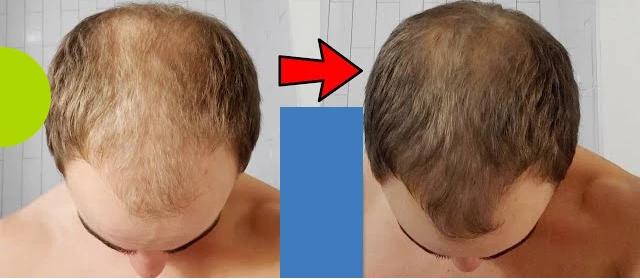
The compound has also attracted attention because of its potential relationship with hair thickness. In androgenetic alopecia, progressive follicular miniaturization can cause individual hair fibers to become thinner and shorter. If androgen-related signaling is reduced, researchers may investigate whether follicular activity and hair shaft characteristics can be maintained.
However, "thicker hair" can refer to several different research endpoints, including hair shaft diameter, follicle size, hair density, or changes in the hair growth cycle. These measurements should not be treated as interchangeable.
For this reason, claims that it directly thickens hair should be considered investigational rather than established clinical fact.
From a sourcing perspective, organizations evaluating the compound should focus on more than a stated purity percentage. Reliable material identification, batch consistency, appropriate storage information, technical documentation, and supplier transparency can all contribute to more reproducible research.
For companies developing research programs or evaluating the compound as a research material, these quality factors can be especially important when moving from small-scale laboratory testing toward larger and more consistent studies.
Xi'an Sonwu sup plies RU58841 raw powder with product specifications and technical support. Contact Xi'an Sonwu for product details and bulk inquiries.
Email: sales@sonwu.com
Reference: https://www.isrctn.com/ISRCTN71083772
https://www.isrctn.com/ISRCTN49873657