


Xi'an Sonwu Biotech Co., Ltd. is one of the most professional manufacturers and suppliers of sana capsule in China. We warmly welcome yuo to wholesale bulk sana capsule for sale here from our factory. Quality products and reasonable price are available.
SANA (MVD1)
SANA capsule/MVD1 capsule is made from SANA powder and pharmaceutical-grade excipients. It is a novel small-molecule research compound, chemically named 2-Hydroxy-5-(2-nitrovinyl)benzoic acid, also known as 5-(2-Nitroethenyl)salicylic acid. It belongs to the salicylic acid derivative family and has attracted research attention due to its potential role in energy metabolism and thermic regulation.
Currently, SANA is primarily used in early-stage scientific research related to metabolism, energy expenditure, and weight management. Studies suggest that SANA may function by promoting energy expenditure and thermic processes in the body. Unlike some traditional mitochondrial uncoupling agents that increase energy expenditure by directly interfering with mitochondrial oxidative phosphorylation, SANA is being studied as a metabolic regulatory compound that may have a different mechanism of action. Some studies suggest that it may be related to "creatine-dependent thermogenesis", i.e., by influencing creatine-related energy cycling, promoting cellular energy production and consumption.
The research value of SANA lies mainly in exploring new pathways for regulating energy metabolism. In theory, increasing energy expenditure and thermogenesis may be a useful reference for research on obesity, metabolic syndrome, and related metabolic problems. However, current publicly available research on SANA is still in its early stages, and its specific mechanism of action, long-term effects, safety, pharmacokinetics, and biological effects at different doses still require further research and validation.
If you need SANA, Xi'an Sonwu can supply it. Xi'an Sonwu is looking forward to hearing from you.
Certificate Of Analysis
|
ITEMS |
STANDARDS |
RESULTS |
|
Appearance |
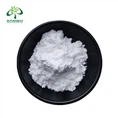
White Powder |
Conform |
|
Odor |
Characteristic |
Conform |
|
Assay |
≥98.0% |
98.42% |
|
Particle Size |
100% pass 80mesh |
Conform |
|
Moisture |
<5.0% |
Conform |
|
Ash Content |
<4.0% |
Conform |
|
Solvent Residue |
Eur.Pharm |
Conform |
|
Total Heavy Metals |
<10 ppm |
Conform |
|
Arsenic |
<1.0 ppm |
Conform |
|
Lead |
<1.0 ppm |
Conform |
|
Mercury |
<0.5 ppm |
Conform |
|
DDT |
<0.2ppm |
Conform |
|
E. Coli |
Negative |
Negative |
|
GMO Status |
Complies |
GMO Free |
|
Irradiation |
Complies |
Irradiation Free |
SANA Buy Online
Xi'an Sonwu Biotech Co., Ltd. has extensive experience in global trade and the healthcare industry. We insist on faith-based, quality-first principles as our guiding principle. We strictly control product quality, which means selection begins with the raw materials. Additionally, we attend to every detail and minimize costs, allowing our customers to obtain cost-effective products. As a result, customers have given a lot of positive feedback about our products. When purchasing SANA, look for Xi'an Sonwu Biotech Co., Ltd.
Xi'an Sonwu ensures product quality and can provide samples upon request. Here is the quantity.
|
SANA Form |
Sample Amount |
MOQ |
|
Powder |
50g |
50g |
|
Bulk Capsules |
1000 capsules |
1000 capsules |
|
Bottle Capsules |
10 bottles |
10 bottles |
Customers' Good Comment
OEM Service
Xi'an Sonwu can supply high-quality SANA capsules and their powder.
So customers can customize the capsules they want. The items below can be supplied.
Customized capsule shells (size, color, material)
Customized bottles(size, color, material, style)
Customized packaging(vacuum foil packaging, box, drum)
Customized label(paint film, matte film, optical mask)
SANA Weight Loss Drug
SANA (CAS 42571-07-3), also known as 5-(2-Nitroethenyl)salicylic acid or 2-Hydroxy-5-(2-nitroethenyl)benzoic acid, is a novel experimental small-molecule compound being investigated for the treatment of obesity and metabolic disorders. Eolo Pharma is developing it under the development code MVD1. Unlike GLP-1 receptor agonists that primarily promote weight loss by reducing appetite, SANA is designed to increase energy expenditure, representing a different therapeutic strategy for obesity management.
Preclinical studies have shown that SANA promotes creatine-dependent thermogenesis, a metabolic pathway that increases heat production and energy consumption in adipose tissue. Research suggests that SANA enhances mitochondrial respiration and stimulates non-shivering thermogenesis without directly acting as a mitochondrial uncoupler. This mechanism is considered distinct from both traditional uncoupling agents and appetite-suppressing medications.
In animal models of diet-induced obesity, SANA has been shown to reduce body weight gain, decrease fat accumulation, improve insulin sensitivity, and alleviate fatty liver. Notably, these effects were primarily associated with increased energy expenditure rather than reduced food intake, making SANA an attractive candidate for treating obesity and metabolic syndrome.
SANA has also entered early-stage clinical development. In a randomized, double-blind, placebo-controlled Phase I clinical trial, healthy volunteers received either single oral doses (200–800 mg) or multiple daily doses (200–400 mg) for 15 days. The study reported that SANA was generally well tolerated, with no major safety concerns observed within the tested dose range. Preliminary findings also suggested improvements in body weight and glucose metabolism following repeated dosing. However, these early studies were primarily designed to evaluate safety and pharmacokinetics, and larger Phase II and Phase III clinical trials will be required to confirm its long-term efficacy and safety.
Compared with currently approved anti-obesity therapies, SANA offers a unique mechanism of action by increasing metabolic activity instead of suppressing appetite. This raises the possibility that it could be used either as an alternative to, or in combination with, existing weight-loss medications in the future.
SANA Mechanism of Action
SANA (MVD1; CAS 42571-07-3) is an experimental small-molecule anti-obesity compound that works primarily by increasing energy expenditure rather than suppressing appetite. Its proposed mechanism is based on the activation of creatine-dependent thermogenesis in adipose tissue.
1. Activation of Creatine-Dependent Thermogenesis
The main proposed mechanism of SANA is the stimulation of the creatine futile cycle in adipocytes (fat cells).
Normally, creatine participates in cellular energy buffering through the reversible conversion between creatine and phosphocreatine. SANA appears to enhance this cycle, increasing creatine turnover and consuming cellular energy in the form of ATP.
This process results in:
Increased ATP consumption
Enhanced mitochondrial activity
Higher oxygen consumption
Increased heat production
Increased overall energy expenditure
In simple terms, SANA may help the body burn more calories by increasing metabolic activity inside fat cells.
2. Promotion of Mitochondrial Energy Expenditure
Studies suggest that SANA increases:
Mitochondrial respiration
Cellular oxygen consumption
Energy utilization in adipose tissue
Unlike classical mitochondrial uncouplers, SANA does not appear to directly disrupt the proton gradient across the mitochondrial membrane, which may provide a potentially safer approach to increasing energy expenditure.
3. UCP1-Independent Thermogenesis
Many traditional thermogenic pathways involve UCP1 (uncoupling protein 1) activation in brown adipose tissue.
However, SANA-induced thermogenesis appears to be:
Independent of UCP1
Different from classical brown-fat activation pathways
Instead, SANA mainly works through creatine metabolism, representing a newer pathway for metabolic regulation.
4. Effects on Glucose and Metabolic Function
By increasing energy expenditure and improving mitochondrial function, SANA has demonstrated potential metabolic benefits in preclinical studies, including:
Improved insulin sensitivity
Better glucose regulation
Reduced fat accumulation
Improvement of fatty liver parameters
5. Difference from GLP-1 Weight Loss Drugs
|
SANA |
GLP-1 receptor agonists |
|
Increases calorie burning |
Reduces appetite and food intake |
|
Activates creatine-dependent thermogenesis |
Activates GLP-1 signaling |
|
Works mainly in adipose tissue metabolism |
Mainly affects brain, pancreas, and gastrointestinal system |
|
Oral small molecule |
Mostly injectable peptides |
What Are The Results of The SANA Weight Loss Drug Trials
The available data on SANA (MVD1) are encouraging but still very early. So far, only Phase I (first-in-human) clinical trial results have been published.
1. Phase I Trial Design
Researchers conducted a randomized, double-masked, placebo-controlled Phase I trial to evaluate:
Safety
Tolerability
Pharmacokinetics (PK)
The trial included:
Single Ascending Dose (SAD): 17 healthy volunteers
Multiple Ascending Dose (MAD): 24 volunteers with overweight or obesity
Participants received oral SANA (referred to as MVD1 during clinical development) at doses ranging from 200–800 mg. The multiple-dose study lasted 15 days.
2. Weight Loss Results
Although weight loss was only an exploratory endpoint, the results were promising:
Participants receiving the highest multiple-dose regimen lost approximately 3% of their body weight in just 15 days.
The placebo group showed little or no meaningful weight loss.
Weight reduction appeared to be driven by increased energy expenditure rather than reduced appetite.
3. Metabolic Benefits
In addition to weight loss, researchers observed:
Improved fasting glucose levels
Improved insulin sensitivity
Increased energy expenditure
Preservation of lean body mass
Unlike GLP-1 receptor agonists, SANA did not appear to suppress appetite. Instead, it promotes creatine-dependent thermogenesis, increasing calorie burning through a novel metabolic pathway.
4. Safety Results
The Phase I study reported:
Generally well tolerated
No serious adverse events related to treatment
No major safety concerns within the tested dose range
Most reported adverse events were mild
However, the study lasted only 15 days, so long-term safety remains unknown.
5. Current Development Status
SANA remains an investigational drug and has not been approved for treating obesity by any major regulatory authority. Larger and longer Phase II and Phase III clinical trials are still needed to determine:
Long-term weight loss efficacy
Durability of the effect
Safety over months or years
How it compares with approved anti-obesity medications such as GLP-1 receptor agonists.
Certificate
Packing
Logistics Update
In addition to guaranteeing product quality, the other most vital thing is that clients receive the goods smoothly. Therefore, Xi'an Sonwu offers a variety of couriers to meet different needs.
FAQ
1. How to inquire?
We can be reached by phone, email, or social media.
2. How do you guarantee the quality of products?
Each batch must be tested, and a COA can be supplied to customers. Additionally, all products pass the following tests: HPLC, UV, GC, and TLC, among others. We also cooperate with third parties, such as SGS.
3. How do you pack and store?
Packaging: Use sealed export-grade drums and vacuum-sealed foil packaging, or pack the goods as requested by the customer.
Storage: Store it in a dry, cool place, away from sunlight.
For information about SANA Capsule, please contact Xi'an Sonwu. Click the email link to receive a high-quality supply of MVD1 capsule.
Email: sales@sonwu.com
Hot Tags: sana capsule, China, suppliers, manufacturers, factory, wholesale, buy, price, bulk, pure, raw, supply, for sale, Dextromethorphan powder, Indole 3 Carbinol powder, Palmitoylethanolamide Bulk, Raloxifene Hydrochloride Powder, Sirolimus Powder, Urolithin Powder


