


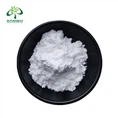


Xi'an Sonwu Biotech Co., Ltd. is one of the most professional manufacturers and suppliers of methyl aspartic acid powder in China. We warmly welcome yuo to wholesale bulk methyl aspartic acid powder for sale here from our factory. Quality products and reasonable price are available.
Is NMDA Synthetic
Methyl aspartic acid powder(NMDA) is an important neurotransmitter and natural amino acid that plays a vital role in the nervous system. It plays a crucial role in regulating neuronal communication in the brain, particularly in excitatory synaptic transmission. NMDA regulates signal transmission between neurons by binding to receptors, affecting learning, memory, and cognitive functions. Research shows that it has multiple functions in the nervous system. It is not only involved in excitatory transmission between neurons but may also affect synaptic plasticity and neural development. Under normal physiological conditions, balanced levels of it are critical for brain function. However, abnormal levels of it may be associated with neurological disorders. Research on methyl aspartic acid not only helps understand the basic working principles of the nervous system but also provides important clues for the development of new nervous system drugs. Scientists hope to find new ways to treat neurological diseases through an in-depth study of the mechanism of action of N-methyl-DL-aspartic acid. In addition, it is widely used in laboratory research to simulate nervous system activity and study neurotransmitter-related biological effects. In summary, N-methyl-DL-aspartate, as an essential neurotransmitter and amino acid, is of great significance in the fields of neuroscience and pharmacology. By in-depth study of its functions and mechanisms of action, we can better understand the workings of the nervous system, providing more possibilities for the treatment and prevention of neurological diseases.
As one of our most popular products, methyl aspartic acid powder has received many good comments and feedback from customs. What attracts customers mostly is the high quality. Except that, we have an incredibly competitive price. If you want to know more about it, just contact Xi'an Sonwu Biotech Co., Ltd.

Certificate Of Analysis
|
Items |
Standards |
Results |
|
Appearance |
White Powder |
Conform |
|
Odor |
Characteristic |
Conform |
|
Assay |
≥99.0% |
99.62% |
|
Particle Size |
100% pass 80mesh |
Conform |
|
Moisture |
<5.0% |
Conform |
|
Ash Content |
<4.0% |
Conform |
|
Solvent Residue |
Eur.Pharm |
Conform |
|
Total Heavy Metals |
<10 ppm |
Conform |
|
Arsenic |
<1.0 ppm |
Conform |
|
Lead |
<1.0 ppm |
Conform |
|
Mercury |
<0.5 ppm |
Conform |
|
DDT |
<0.2ppm |
Conform |
|
E. Coli |
Negative |
Negative |
|
GMO Status |
Complies |
GMO Free |
|
Irradiation |
Complies |
Irradiation Free |
NMDA Supplement
Xi'an Sonwu Biotech Co. Ltd. has rich experience in the global trade and the health industry. Insisting on faith-based and quality first is our company's principle. We strictly control product quality, which means selection starts from raw material. Besides, we handle every detail and reduce costs to the maximum extent so that our customers can get cost-effective products. Based on these, customers have given a lot of good feedback about our products. So look for Xi'an Sonwu Biotech Co. Ltd. when buying it.
Xi'an Sonwu ultimately ensures the product's quality so the samples can be supplied. Here is the quantity.
|
Form |
Sample Amount |
MOQ |
|
Powder |
50g |
100g |
Customers' Good Comment

What Do NMDA Do
The action process of N-Methyl-DL-Aspartic Acid can be divided into several key steps. First, methyl aspartic acid triggers a series of biological effects by acting on NMDA receptors. NMDA receptor is an ion channel-type glutamate receptor that plays a vital role in the central nervous system. Next, upon activation of methyl aspartic acid receptors, calcium ion flux increases, thereby affecting neuronal excitability and synaptic plasticity. NMDA acts as an agonist at it receptor, binding to this receptor and activating it. This agonistic effect works by mimicking the effects of the natural neurotransmitter glutamate. Activation of methyl aspartic acid receptors results in an increase in intracellular calcium flux. This is because activating it receptor causes the ion channels usually located on the receptor to open, resulting in a large influx of calcium ions into the cell. The increase in calcium ions affects the excitability of neurons, making it easier for neurons to generate action potentials, thereby strengthening signal conduction between neurons. In addition, increased calcium ions also affect synaptic plasticity, which is the plasticity of the strength and action of synaptic connections between neurons. This is crucial for cognitive functions such as learning and memory.

NMDA has made essential contributions to neurotransmitter research. As a synthetic amino acid, it simulates the action mechanism of glutamate by acting on it receptors, providing an important tool and platform for the study of neurotransmitters. The following section will introduce its contribution to neurotransmitter research in several aspects. N-Methyl-DL-aspartate, as an agonist of methyl aspartic acid receptors, can simulate the effects of glutamate on neurons by activating this receptor. This allows researchers to better understand the mechanism of glutamate in interneuron signaling and provides new perspectives and methods for the study of neurotransmitters. The action of N-methyl-DL-aspartate can trigger an increase in calcium ion flux, thereby affecting neuronal excitability and synaptic plasticity. This provides experimental means for studying signal transmission between neurons, the strength and plasticity of synaptic connections, and helps reveal the role of neurotransmitters in neural networks and their regulatory mechanisms. NMDA is also widely used in the study of synaptic plasticity. By simulating the activation of methyl aspartic acid receptors, researchers can observe and explore the strength and plasticity of synaptic connections, thereby revealing the mechanism of neurotransmitters in cognitive functions such as learning and memory, providing essential insights into cognitive neuroscience research. Experimental tools. Overall, N-methyl-DL-aspartate, as a synthetic amino acid, plays a critical role in neurotransmitter research. Simulating the activation of methyl aspartic acid receptors helps reveal the mechanism of neurotransmitters in interneuron signaling, synaptic plasticity, and cognitive function, and it provides essential experimental tools and theoretical support for neuroscience research. Therefore, N-methyl-DL-aspartic acid has made a crucial contribution to neurotransmitter research and promoted the development and progress of related fields.
Methyl aspartic acid powder plays a vital role in the study of synaptic plasticity, providing critical clues for our understanding of the function of the nervous system and cognitive processes such as learning and memory. Synaptic plasticity refers to the variability of synaptic connection strength, which is the basis for the nervous system to adapt to the environment and learn and remember. N-Methyl-DL-aspartate plays an essential role in the process of synaptic plasticity by regulating signaling between neurons. Studies have found that NMDA can bind to it receptors and activate these receptors to affect synaptic plasticity. NMDA receptors play a crucial role in synaptic plasticity, especially in processes such as long-term potentiation (LTP) and long-term depression (LTD). By regulating the activity of methyl aspartic acid receptors, N-methyl-DL-aspartate can affect the strength and stability of synaptic connections, thereby affecting the function of neural networks and learning and memory processes. At the same time, N-methyl-DL-aspartate is closely related to synaptic plasticity. It can promote changes in synaptic structure and function, thus affecting the information transmission between neurons. During learning and memory, the regulation of synaptic plasticity is critical for the storage and retrieval of information. The study of methyl aspartic acid helps reveal the molecular mechanism of synaptic plasticity and provides important experimental models and research tools for the field of neuroscience. In general, the contribution of N-methyl-DL-aspartate to the study of synaptic plasticity is mainly reflected in its regulation of neuronal signal transmission, affecting it receptor activity and promoting the functional remodeling of neural networks. By deeply exploring the role of N-methyl-DL-aspartate in synaptic plasticity, we can better understand the learning and memory mechanisms of the nervous system and provide helpful inspiration for further research in the field of neuroscience.

NMDA plays an essential role in the research of neurodegenerative diseases and has made specific contributions to our understanding of the pathogenesis of such diseases and the search for treatments. Neurodegenerative diseases include Alzheimer's disease, Parkinson's disease, Huntington's disease, etc. These diseases can lead to neuron damage and death, seriously affecting the patient's quality of life. Research suggests that it may play a dual role in neurodegenerative diseases. On the one hand, N-methyl-DL-aspartate can affect the stability and function of the nervous system by regulating excitatory transmission between neurons. On the other hand, N-methyl-DL-aspartic acid may also participate in the protection and repair process of neurons and play a specific role in promoting the survival of neurons. In studies of neurodegenerative diseases such as Alzheimer's disease, scientists have found that it is closely related to disease development. NMDA plays a vital role in regulating signaling between neurons, and abnormal signaling between neurons is an essential component of the pathogenesis of neurodegenerative diseases. Therefore, studying the role of methyl aspartic acid in these diseases will help to gain a deeper understanding of the pathophysiological mechanisms of the disease and provide new ideas for the diagnosis and treatment of the disease. In addition, some studies also suggest that N-methyl-DL-aspartate may have neuroprotective potential and slow the progression of neurodegenerative diseases to some extent. Regregulating the levels of NMDA in the nervous system may help protect neurons from damage and death, thereby delaying the progression of the disease.
Factory Environment
Xi'an Sonwu production factory is well-equipped, clean, and tidy, with sufficient stock. Under the leadership of the company, researchers insist on developing new products. The following is the testing environment of our laboratory, advanced testing equipment, and professional testers, with a strict attitude to providing valuable data for our products and providing our customers with a quality experience.

Certificates

Packaging

Logistics Record

In addition to guaranteeing product quality, the other most vital thing is clients can receive the goods smoothly. So, Xi'an Sonwu supplies all kinds of couriers according to different needs.

FAQ
1. How do you contact Xi'an Sonwu Biotech Co., Ltd.?
You can contact me by email, telephone number, or social media.
2. How do you ensure the quality of the product?
We test each batch so we can supply COA for customers. Besides, our products pass the tests for HPLC, UV, GC, TLC, etc. We also cooperate with third parties, like SGS.
3. How to pack and store?
Pack: Vacuum sealed foil packaging & Sealed export-grade drum or pack according to customers' needs.
Storage: Keep it in a dry and cool place, and avoid intense light and heat.
If you want a methyl aspartic acid powder supplier, feel free to contact Xi'an Sonwu.
E-mail: sales@sonwu.com
Hot Tags: methyl aspartic acid powder, China, suppliers, manufacturers, factory, wholesale, buy, price, bulk, pure, raw, supply, for sale, Pazopanib Hydrochloride, Raloxifene Hydrochloride Powder, Ulinastatin Powder, UMP H powder, NMN, naftopidil powder


