




Xi'an Sonwu Biotech Co., Ltd. is one of the most professional manufacturers and suppliers of abt-888 in China. We warmly welcome yuo to wholesale bulk abt-888 for sale here from our factory. Quality products and reasonable price are available.
What Is Veliparib
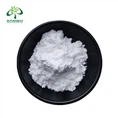
ABT-888, also known as Veliparib, is a white powder. Veliparib is a potent PARP1 and PARP2 inhibitor with Ki of 5.2 nM and 2.9 nM, respectively, which inhibits SIRT2. Phase 3. Veliparib effectively inhibits PARP, with Ki values of 5.2 and 2.9 nM for PARP-1 and PARP-2, respectively. Veliparib reduces the survival of cloned genes and inhibits DNA repair in lung H460 cells Chemical book. Veliparib inhibits C41 cells with an EC50 of 2nM. A combination of Veliparib and radiation reduces tumor angiogenesis. Xi'an Sonwnu provides bulk Veliparib, and if you want to buy them, you can contact Xi'an Sonwnu without hesitation.

COA

Where to Buy Veliparib
Xi'an Sonwu Biotech Co. ltd, the products produced are strictly controlled in quality from the beginning of the raw material powder. In processing product production, we handle every detail well and enable our customers to get cost-effective products. Many customers have given good feedback to our products after receiving the goods.
To ensure the quality of the products, we can provide samples for testing. Here is the quantity.
|
Form |
Sample |
MOQ |
|
Powder |
10g |
100g |
Customers’s Good Comment

What Are PARP Inhibitors
1. Important mechanism of DNA damage repair
DNA is the most important genetic material for cell life activities, and maintaining the integrity and stability of its molecular structure is of great significance for cell survival and normal physiological functions. The DNA of cells in the human body experiences various types of damage every day, so these damages need to be repaired in time to ensure the regular operation of human cell functions. Therefore, cells have established a set of complex and precise regulatory mechanisms to deal with these damages, mainly including single-strand breaks, base mismatches, base damage, double-strand breaks, inter-strand cross-links, intra-strand cross-links, and other damage types.
When the DNA has the above types of damage, the cell can initiate six repair pathways to deal with different forms of damage:
(1) The direct repair (DR) pathway repairs the damage caused by O6-alkylguanine
(2) Base excision repair (BER) pathway, targeting base damage caused by redox or alkylation
(3) Nucleotide excision repair (NER) pathway, which repairs damage at the nucleotide level caused by radiation, chemical drugs, or protein-DNA cross-linking
(4) Base mismatch repair (mismatch repair, MMR) pathway, correcting mismatched bases
(5) Homologous recombination repair (HR)
(6) Non-homologous end joining (NHEJ)
2. DNA damage repair and tumorigenesis
①. DNA damage repair defects drive tumorigenesis
Compared with normal tissues, hyperplasia, dysplasia, and tumor tissue have significantly more DNA damage, higher proliferation levels, inactivation of the apoptosis gene P53, and activation of driver genes, leading to increased DNA replication pressure and DNA damage, especially double DNA damage increases. On the one hand, the DNA damage repair mechanism is activated by sensing damage such as ATM and ATR, and the tumor suppressor gene P53 is activated to induce apoptosis; on the other hand, the accumulation of DNA damage causes genome instability and induces new tumorigenesis Gene mutation, which eventually develops from normal tissue to cancer.
②.Drug-targeted therapy of DNA damage receptor protein
DDR is critical to the activation of repair pathways and cell survival. The DDR sensor protein that responds to various DNA damages is the key to initiating repair, and PARP-1 is a key DNA damage sensor protein.
③. Drug-targeted therapy for DNA damage signaling proteins
DDR signaling proteins trigger various post-translational modifications and assembly of protein complexes that amplify and diversify DNA damage signals so that appropriate responses can be initiated and can include: transcriptional changes, activation of cell cycle checkpoints, alternative splicing, involvement of DNA Repair processes, or the context of massive damage, activate cellular senescence and apoptotic pathways. The main proteins of new drugs targeting this pathway are DNA-PK, ATM, ATR, CHK1, and WEE1.
④. DNA damage response (DDR) joint strategy
In many types of disease, where the ability to effectively respond to DNA damage is often lost, DDR inhibitors can be used in combination with drugs that target other DDR proteins or entirely different signaling pathways to block the paths that diseased cells rely on to survive. Multiple pathways.

What Are PARP Inhibitors Used For
1. Synthetic lethal therapy
There are usually two forms of DNA molecular damage, one is DNA single-strand breaks, and the other is DNA double-strand breaks. When the single strand of a DNA molecule is damaged, it is mainly repaired by poly ADP-ribose polymerase (PARP), XCCR1, and DNA ligase IIIa.
The mechanism of action of PARP: If the PARP gene is inhibited, the BRCA gene mutation in the patient's body will prevent homologous recombination repair from proceeding normally and eventually lead to cell apoptosis. Therefore, BRCA and PARP meet the definition of synthetic lethality. When the BRCA gene is mutated, the DNA repair pathway will depend on the PARP-1 enzyme, and PARP inhibitors will prevent DNA repair and, eventually, apoptosis. Patients using PARP inhibitors are expected to kill the role of tumors. However, in the presence of BRCA in normal cells, DNA can still be repaired to allow cells to survive, so PARP inhibitors can be used as targeted drugs to kill BRCA mutant cells selectively.
2. The ability of PARP-1 inhibitors to capture PARP-1 is positively correlated with its activity in inhibiting tumor cells
The mechanism of action of PARP: PARP inhibitors are nicotinamide adenine dinucleotide (NAD+) analogs, and their molecular mechanism of action is to inhibit the activity of PARP enzymes by binding to the active site of the catalytic domain of PARP enzymes by competing with NAD+.
(1) PARP-1 inhibitors bind to the CAT (catalytic domain, C-terminal catalytic domain) of PARP-1 competitively, inhibit its catalytic activity, and prevent SSB (single-strand break, single-strand break) from being repaired in time, Generate DSB (double-strand break, double-strand break);
(2) PARP-1 inhibitors can inhibit PARP-1's PAR (poly ADP ribosylation, poly-ADP ribosylation) modification, combine with CAT to cause PARP-1 allosteric, and enhance the binding strength of PARP-1 to damaged DNA, "capturing" PARP-1 on the damaged DNA, making it difficult for other PARP-1 in the nucleus to combine with the damaged DNA, further blocking the possible repair pathway of DSB, and promoting cell apoptosis.

Does ABT-888 Have Specific Safety And Efficacy
In July 2021, "Lung Cancer" published an evaluation of the efficacy of veliparib combined with platinum-based radiotherapy and chemotherapy in treating patients with stage III non-small cell lung cancer. Treatment methods for stage III NSCLC include surgery, chemotherapy, and radiotherapy. The 3-year PFS rate and OS rate of patients after standard radiotherapy and chemotherapy are only 16% and 24%; according to the RTOG0617 study, concurrent radiotherapy and chemotherapy can achieve good clinical benefits, but only 12 months of PFS. Therefore, patients with stage III NSCLC urgently need a better treatment model.
Several randomized controlled studies have confirmed that veliparib combined with chemotherapy has particular safety and effectiveness in treating lung cancer, colorectal cancer, breast cancer, melanoma, and other malignant tumors. A phase II randomized study of advanced NSCLC found that veliparib combined with CP (carboplatin + paclitaxel) can significantly improve the survival of patients; in basic research, veliparib can increase the ionizing radiation-induced DNA double-strand breaks induce growth delay in xenografts in mice.
One of the current standard treatments for unresectable stage III NSCLC is concurrent chemoradiotherapy combined with consolidation chemotherapy (chemotherapy usually chooses the CP regimen). Platinum can induce DNA damage, and veliparib can effectively inhibit DNA damage repair. Therefore, we speculate. The combination of veliparib with standard chemoradiotherapy followed by consolidation chemotherapy may improve survival in unresectable stage III NSCLC. Thus, the safety and efficacy of veliparib combined with chemoradiotherapy were evaluated in this phase I study in patients with unresectable stage III NSCLC. Veliparib combined with standard concurrent chemoradiotherapy followed by consolidation chemotherapy in patients with stage III unresectable NSCLC has tolerable toxicity and is clinically effective, with mPFS up to 19.6m.
Factory Environment
1. Xi'an Sonwu Biotech Co., Ltd has a factory with sufficient stock. In addition, the production department of Xi'an Matsuya is very clean and tidy. Using advanced production equipment, researchers continue developing new products to meet customers' needs.
2. Xi'an Sonwu Biotech Co., Ltd has advanced testing equipment and professional testing personnel, which has laid a solid foundation for providing customers with accurate and practical data.


Certificates

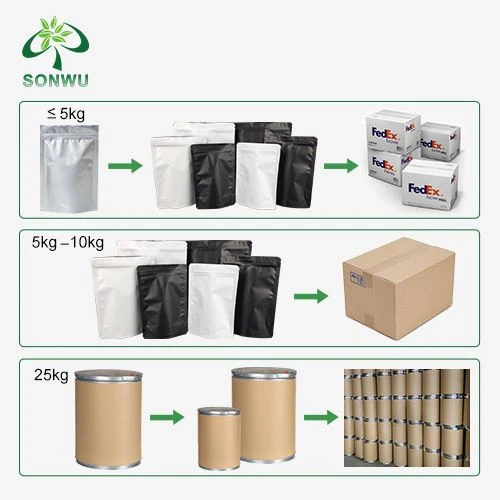
Packing

Recent Logistics

Except guarantee the product’s, the other most important thing is customers could receive the goods smoothly. So, Xi’an Sonwu supplies all kinds of courier according to different need.

FAQ
How to pack and store ABT-888?
Packaging: export grade sealed drum, vacuum sealed aluminum foil packaging, can also be packed according to customer needs.
Storage: please store in a cool and dry place to avoid bright light and high temperature.
If you want to buy Veliparib, feel free to contact Xi'an Sonwu.
E-mail: sales@sonwu.com
Hot Tags: abt-888, China, suppliers, manufacturers, factory, wholesale, buy, price, bulk, pure, raw, supply, for sale, Sirolimus Powder, Dinoprost Powder, Arecoline Hydrobromide Powder, naftopidil powder, Lyrica Powder, Apixaban Powder


