


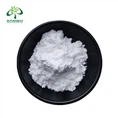


Xi'an Sonwu Biotech Co., Ltd. is one of the most professional manufacturers and suppliers of chrysophanol powder in China. We warmly welcome yuo to wholesale bulk chrysophanol powder for sale here from our factory. Quality products and reasonable price are available.
Chrysophanol Supplement
Chrysophanol powder, also known as chrysophanic acid, is extracted from the roots and rhizomes of the Polygonaceae plant Rheum palmata. It is a natural compound widely used in traditional herbal medicine and is a component of the flavonoids. In traditional herbal medicine, it is widely used to treat intestinal problems such as constipation. Its laxative effect can stimulate intestinal peristalsis and promote excretion, so it is often used to treat constipation. In addition, chrysophanic acid is also believed to have anti-inflammatory and antibacterial properties and has specific applications in treating some inflammation-related diseases.
As a single component extracted from the rhubarb plant, chrysophanic acid generally has the effects of inhibiting bacterial reproduction, stimulating nerve excitement, and antioxidant effects. It is used to treat diseases and resist aging. It has the effect of inhibiting bacterial reproduction against a variety of bacteria, such as Streptococcus pneumoniae, Bacillus influenzae, Coccus catarrhalis, etc. In addition, chrysophanic acid can increase nerve stimulation, accelerate the metabolism of different organs, and efficiently block the oxidative reaction of free radicals while simultaneously serving as an antioxidant. Chrysophanic acid is usually used to treat related diseases caused by bacterial infections and has sound effects. If you are interested in natural compounds and want to buy chrysophanol, Xi'an Sonwu must be your best choice.

Certificate Of Analysis
|
Items |
Standards |
Results |
|
Assay |
≥98% Chrysophanol / Chrysophanic Acid |
99.36% |
|
Used Part |
Rheum palmatum L Root |
Complies |
|
Appearance |
Yellow powder |
Yellow powder |
|
Odor &Taste |
Characteristic |
Characteristic |
|
Test Method |
HPLC |
HPLC |
|
Physical Characteristics |
||
|
Sieve Analysis |
NLT 100% pass 80 mesh |
80 mesh |
|
Loss on Drying |
≤4.0% |
≤4.0% |
|
Ash Content |
≤2.0% |
≤2.0% |
|
Residual Solvents |
||
|
Ethanol |
≤5000ppm |
Complies |
|
Total Heavy Metals |
≤20ppm |
0.26% |
|
Microbiological Assay |
||
|
Total Plate Count |
1000cfu/g |
Complies |
|
Total Yeast & Mold |
100cfu/g |
Complies |
|
E.Coli |
Negative |
Negative |
|
Salmonella |
Negative |
Negative |
|
Staphylococcus |
Negative |
Negative |
Buy Chrysophanic Acid For Sale Online
Xi'an Sonwu Biotech Co. Ltd. has rich experience in the global trade and health industry. Insisting on faith-based and quality first is our company's principle. Xi'an Sonwu strictly controls product quality, which means selection starts from raw materials. Besides, Xi'an Sonwu handles every detail and reduces the cost to the maximum; then, our customers can get a cost-effective product. Based on these, customers have given much good feedback to our products. So look for Xi'an Sonwu Biotech Co. Ltd. when buying it.
Xi'an Sonwu ultimately ensures the product's quality but also offers extract powder chrysophanic acid samples. Here is the quantity.
|
Form |
Sample Amount |
MOQ |
|
Powder |
50g |
100g |
Customers's Good Comment

What Are The Active Ingredients In Rhubarb Extract
Rhubarb extract contains several active ingredients that contribute to its potential health benefits. Here are some of the main active compounds found in rhubarb extract:
Anthraquinones: Anthraquinones are a group of compounds in rhubarb that have laxative effects. Examples include emodin, aloe-emodin, and rhein. These compounds stimulate bowel movements and help relieve constipation. Another one is emodin methyl ether, which is the methyl ether derivative of emodin and a central component of the rhubarb plant. Emodin methyl ether also has specific applications in traditional herbal medicine. Like emodin, emodin methyl ether has a variety of possible biological activities and pharmacological effects. It is thought to have specific anti-inflammatory, antibacterial, and antioxidant properties.
Tannins: Rhubarb extract also contains tannins, a polyphenolic compound with antioxidant and anti-inflammatory properties. Tannins can help protect the body from oxidative stress and reduce inflammation.
Flavonoids: Flavonoids such as quercetin and kaempferol are present in rhubarb extract. These substances offer further health advantages in addition to their anti-inflammatory and antioxidant properties.
Vitamin C: Vitamin C, also present in the extract, is abundant in rhubarb. An essential antioxidant that promotes overall health and immune system performance is vitamin C.
Phenolic acids: Rhubarb extract contains phenolic acids such as gallic acids. These compounds also exhibit antioxidant and anti-inflammatory effects.
Fiber: Dietary fiber, including cellulose and hemicellulose, can be abundant in raspberries. Most stool is composed of fiber, which also supports regular bowel motions and digestive health.

What Is The Function Of Chrysophanol
1. Antioxidant activity
Chrysophanol powder may stop oxidation processes by capturing free radicals. Chrysophanol's antioxidant properties can assist in scavenging free radicals, which in turn lessens oxidative stress on cells. Free radicals are a primary cause of oxidative damage and cellular aging. Some studies suggest that it may exert antioxidant effects by inhibiting the activity of oxidases. Oxidase is a type of enzyme that can generate free radicals, and by inhibiting its activity, chrysophanic acid can reduce the production of free radicals, thus having an antioxidant effect. Additionally, by promoting the activity of intracellular antioxidant enzymes like glutathione peroxidase (GPx) and superoxide dismutase (SOD), chrysophanic acid can increase the antioxidant capacity of cells. These antioxidant enzymes help scavenge free radicals and protect cells from oxidative damage.
2. Anti-inflammatory effect
Chrysophanic acid has been found to have anti-inflammatory activity. The anti-inflammatory effect of chrysophanic acid is mainly exerted by inhibiting inflammation-related signaling pathways and regulating the expression of inflammatory cytokines. Research shows that it can inhibit the release of inflammatory mediators (such as lesion necrosis factor-α, interleukin-1β, etc.) in inflammatory cells (such as macrophages). It might aid in lowering inflammation and easing associated illness symptoms. By regulating multiple inflammation-related signaling pathways, it inhibits the occurrence and development of inflammatory responses. For example, it can inhibit the activation of the nuclear factor-kB (NF-kB) pathway and reduce the transcription levels of inflammation-related genes. Furthermore, chrysophanic acid possesses unique antioxidant properties that help counteract free radicals and lessen oxidative stress-induced inflammatory responses.

3. Antibacterial properties
Chrysophanol, a flavonoid, has broad-spectrum antibacterial properties. It can mix with the lipids in the bacterial cell membrane, altering its composition and properties and ultimately leading to its breakdown, which stops the bacteria from proliferating and surviving on average. Inhibit the activity of specific enzymes in bacteria and interfere with their critical metabolic pathways and biosynthetic processes, thereby inhibiting the growth and reproduction of bacteria. In addition, the antioxidant properties of chrysophanic acid can scavenge free radicals produced by bacteria, reduce oxidative stress damage to bacteria, and reduce their viability. Chrysophanic acid has antibacterial effects against various bacteria, fungi, and parasites. It may inhibit the growth and spread of these microbes, which may help control them.
4. Constipate
In traditional herbal medicine, chrysophanic acid is widely used to treat constipation. Chrysophanic acid increases intestinal peristalsis by stimulating the contraction of intestinal smooth muscle. It helps push food through and promotes bowel movements. It may make bowel movements smoother by increasing the water content in the intestines, making the stool moist. One study found that chrysophanic acid can enhance intestinal peristalsis and promote defecation in experimental animal models. By regulating the contraction of intestinal smooth muscle, chrysophanic acid can improve constipation symptoms. Another experimental study using a mouse constipation model found that chrysophanic acid can promote intestinal peristalsis while increasing intestinal secretion and water absorption, thereby alleviating constipation symptoms. An empirical study of patients with constipation found that using a Chinese herbal preparation containing chrysophanic acid significantly increased bowel movements and relieved constipation symptoms.

Chrysophanic Acid Formula
Chrysophanic acid is a natural flavonoid commonly used in traditional Chinese medicine formulas. Although chrysophanic acid has specific pharmacological activity, in conventional Chinese medicine treatment, the therapeutic effect is often enhanced through a combination of multiple herbs.
1. Chrysophanic acid combined with Glauber's Salt and Coptis Rhizoma: This is a typical traditional Chinese medicine prescription widely used to clear away heat, purge fire, detoxify, and reduce swelling. Glauber's salt has the effect of clearing away heat and detoxifying, Coptis chinensis has antibacterial and anti-inflammatory effects, and chrysophanic acid has the effect of purging fire and promoting dampness. The three cooperate to produce a synergistic effect.
2. Combination of chrysophanic acid with skullcap and coptis: This combination is also commonly used in traditional Chinese medicine prescriptions and is suitable for situations where heat and toxins are intense, such as fever, cough, and other symptoms caused by infectious diseases. Scutellaria baicalensis and Coptis chinensis have heat-clearing, detoxifying, antibacterial, and anti-inflammatory effects, while it helps promote defecation and accelerate the excretion of viruses or bacteria.
3. Chrysophanic acid combined with coptis, skullcap, and forsythia: This combination is commonly used to treat symptoms such as dysentery and diarrhea. Coptis chinensis and Scutellaria baicalensis have the effect of clearing away heat and detoxifying, forsythia has the impact of astringent and antidiarrheal, and chrysophanic acid can have a laxative effect and help relieve diarrhea symptoms.
4. Chrysophanic acid and rhubarb acid: Chrysophanic acid and rhein are common active ingredients in rhubarb plants, and they may work synergistically with each other. Chrysophanic acidhas laxative and anti-inflammatory properties, while rhein has antibacterial and anti-inflammatory properties. Combining these two ingredients may provide better therapeutic results.
5. Chrysophanic acid and Aloe vera: Aloe vera has moisturizing, skin-soothing, and anti-inflammatory effects and is often used to treat skin diseases and sunburns. Paired with chrysophanic acid, it may help improve skin health.
6. Chrysophanic acid and Turmeric: The active ingredients in turmeric, such as curcumin, have potent antioxidant and anti-inflammatory effects. Pairing it with chrysophanic acid may produce even more potent anti-inflammatory and antioxidant effects.

Factory
1. Xi'an Sonwu Biotech Co., Ltd has a factory to produce, manufacture, and store the products, so it has adequate stock. Xi'an Sonwu has a well-ordered, clean, and tidy production department. Under Xi'an Sonwu, researchers can continuously develop high-quality new products.
2. Xi'an Sonwu has strict requirements on personnel allocation from production and testing to sales. To ensure that each product is escorted, rigorous data support and after-sales service are provided.

Certificate

Package

Logistics

Besides guaranteeing the product, the other most important thing is customers can receive the goods smoothly. So, Xi'an Sonwu supplies all kinds of couriers according to different needs.

FAQ
Dosage
1. Used for constipation
In traditional Chinese herbal medicine, rhubarb and its extracts are often used to treat constipation and other related conditions. Generally, the recommended dosage range for it is 20 to 30 mg daily.
2. Used as an antioxidant
When used as an antioxidant, the dosage of it is usually around 100-200 mg daily.
3. Used for anti-inflammation
When used as an anti-inflammatory, the dose of it is usually about 100-200 mg daily.
4. Used for antibacterial
In the case of antibacterial use, the dosage of it is usually about 200-400 mg per day.
If you want to know the API powder chrysophanol manufacturer, you can contact Xi'an Sonwu. Click the email, and then you get high-quality chrysophanol powder.
Email: sales@sonwu.com
Hot Tags: chrysophanol powder, China, suppliers, manufacturers, factory, wholesale, buy, price, bulk, pure, raw, supply, for sale, Black Ant Extract Powder, Thaumatin Powder, Epicatechin Powder, Fucoxanthin Powder, Boswellia Serrata Extract Powder, Neotame Powder


