


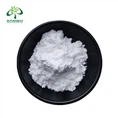


Xi'an Sonwu Biotech Co., Ltd. is one of the most professional manufacturers and suppliers of tetrahydroxystilbene glucoside powder in China. We warmly welcome yuo to wholesale bulk tetrahydroxystilbene glucoside powder for sale here from our factory. Quality products and reasonable price are available.
What Is Tetrahydroxystilbene Glucoside
Tetrahydroxystilbene Glucoside powder supplement, also known as piceid, is a natural compound derived from traditional Chinese medicinal plants such as Polygonum multiflorum and Rheum officinale. It has garnered significant attention due to its potential therapeutic properties and wide-ranging health benefits.
Tetrahydroxystilbene Glucoside is a stilbenoid compound that belongs to the family of polyphenols. It is structurally similar to resveratrol, another well-known polyphenol found in grapes and red wine. TSG is characterized by the presence of four hydroxyl groups on its stilbene backbone, which contributes to its unique properties and biological activities.
One of the primary natural sources of TSG is the root of Polygonum multiflorum, a plant commonly used in traditional Chinese medicine. The root extract of Polygonum multiflorum, also known as He Shou Wu, has been used for centuries in China to promote longevity, enhance vitality, and nourish the liver and kidney. TSG is considered one of the major bioactive components of Polygonum multiflorum and is believed to contribute to its medicinal effects.
TSG has attracted considerable scientific interest due to its diverse pharmacological activities. It has potent antioxidant, anti-inflammatory, cardioprotective, neuroprotective, antidiabetic and anticancer activities.
The purity of our company's tetrahydroxystilbene glucoside supplement can reach 98%. Also, our prices are very competitive compared to other companies. If you want to know more, please contact Xi'an Sonwu Biotech Co. Ltd.

THSG for Sale
Xi'an Sonwu has rich experience in the global trade and health industry. Reputation-based quality first is the principle of Xi' an Songwu Company. Xi'an Sonwu strictly controls product quality, so the selection of materials starts with raw materials. Also, we handle every detail and minimize costs so our clients can get the most cost-effective products. Based on these, customers have given high praise to our products. If you need tetrahydroxystilbene glucoside supplement, find Xi’an Sonwu Biotech Co. Ltd.
We ultimately make sure of the product’s quality so that samples can be supplied. Here is the quantity.
|
Form |
Sample Amount |
The Minimum of Quantity |
|
Powder |
50g |
100g |
|
Bulk Capsules |
200 capsules |
200 capsules |
|
Bottled Capsules |
5 bottles |
5 bottles |
Customers' Good Comment


OEM Service
Xi'an Sonwu not only can supply high-quality tetrahydroxystilbene glucoside powder, but also supply its capsules.
So any customers could customize capsules they want. And items below can be supplied.
Customized capsules shells (size, color, material)
Customized bottles(size, color, material, style)
Customized packaging(vacuum foil packaging, box, drum)
Customized label(paint film, matte film, optical mask)

What Is the Therapeutic Potential of THSG
1. Antioxidant Activity:
THSG is known for its potent antioxidant activity, which helps protect cells from oxidative stress and damage caused by free radicals. Oxidative stress has been linked to various chronic diseases, including cardiovascular disease, neurodegenerative disorders, and cancer. The antioxidant properties of THSG make it a promising candidate for mitigating oxidative damage and promoting overall health.
2. Anti-inflammatory Effects:
Inflammation is a natural response by the body to injury or infection. However, chronic inflammation can contribute to the development of various diseases, including cardiovascular diseases, arthritis, and metabolic disorders. THSG has exhibited anti-inflammatory effects in several studies. It can inhibit the production of pro-inflammatory molecules, such as cytokines and chemokines, thereby potentially reducing inflammation and its associated complications.
3. Cardiovascular Health:
THSG holds promise in improving cardiovascular health. It has shown potential in reducing blood pressure, preventing platelet aggregation, and improving lipid profiles. High blood pressure, elevated cholesterol levels, and abnormal blood clotting are significant risk factors for cardiovascular diseases such as heart attacks and strokes. THSG's cardiovascular benefits make it a potentially valuable adjunctive treatment for individuals at risk of cardiovascular complications.

4. Neuroprotection and Cognitive Health:
Neurodegenerative diseases like Alzheimer's and Parkinson's are characterized by the progressive loss of neuronal function and structure. THSG has shown neuroprotective effects in several studies, including reducing oxidative stress, modulating inflammatory responses, and promoting the survival of neurons. Additionally, THSG may enhance cognitive function and memory through its influence on neurotransmitters and neuronal pathways. These neuroprotective properties highlight its potential in the prevention and management of neurodegenerative disorders.
5. Anti-Cancer Potential:
THSG has been investigated for its potential anti-cancer properties. It possesses properties that can suppress the proliferation of cancer cells, induce apoptosis (programmed cell death), inhibit tumor growth, and prevent the formation of new blood vessels that support tumor growth (angiogenesis). Although further research is needed, early studies suggest that THSG may hold promise in cancer prevention and treatment.
6. Anti-Aging Effects:
THSG is known for its role in promoting anti-aging effects. It can increase the production of collagen, a protein that provides structural support to the skin, thereby reducing the appearance of wrinkles and improving skin elasticity. Furthermore, THSG exhibits photoprotective properties that protect the skin against ultraviolet (UV) radiation-induced damage, such as sunburn and premature aging. These anti-aging effects highlight the potential cosmetic applications of THSG in skincare formulations.

Natural Sources of Tetrahydroxystilbene Glucoside
1. Polygonum cuspidatum:
Polygonum cuspidatum, commonly known as Japanese knotweed or Hu Zhang, is one of the primary natural sources of THSG. The root of this perennial plant contains a high concentration of THSG. It has been traditionally used in Chinese medicine for its anti-inflammatory, antioxidant, and cardioprotective properties. Extracts from P. cuspidatum are widely used in dietary supplements and herbal formulations.
2. Rheum palmatum:
Rheum palmatum, also known as Chinese rhubarb or da-huang, is another plant species that contains THSG. The root and rhizome of R. palmatum have been used in traditional medicine for their laxative, anti-inflammatory, and hepatoprotective effects. THSG is present in significant amounts in the roots of R. palmatum, contributing to its medicinal properties.
3. Vitis vinifera:
Vitis vinifera, commonly known as grapevine, is a widely cultivated plant species known for its fruits used for winemaking. Grapes, particularly the skin and seeds, contain THSG. The presence of THSG in grapes contributes to their antioxidant and cardioprotective properties. Additionally, THSG in grapes has been studied for its potential anti-cancer effects.
4. Vaccinium macrocarpon:
Vaccinium macrocarpon, known as cranberry, is a fruit-bearing plant species that also contains THSG. Cranberries are recognized for their high content of various phytochemicals, including THSG, which contribute to their antioxidant and anti-inflammatory properties. THSG in cranberries has shown potential for managing cardiovascular diseases and urinary tract infections.
5. Melaleuca leucadendron:
Melaleuca leucadendron, commonly known as cajeput tree or paperbark tree, is an evergreen tree species native to Australia and Southeast Asia. The leaves of M. leucadendron are a natural source of THSG. The essential oil derived from the tree is known for its antimicrobial, anti-inflammatory, and analgesic properties.
6. Pueraria lobata:
Pueraria lobata, commonly called kudzu root, is a plant species native to East Asia. The root of P. lobata contains THSG. Traditional Chinese medicine has used P. lobata for its medicinal properties, including its potential for improving cardiovascular health, reducing alcohol cravings, and treating hangovers.
How THSG Interacts With Biological Systems
1. Absorption:
Upon consumption, THSG undergoes various processes to be absorbed into the body. Oral administration is the most common route of THSG intake. In the gastrointestinal tract, THSG can be hydrolyzed into its aglycone form, resveratrol, by intestinal glucosidases. Both THSG and resveratrol are absorbed through the intestinal epithelium and enter the bloodstream. Once in the systemic circulation, THSG can interact with various biological systems to exert its effects.
2. Distribution:
After absorption, THSG is distributed throughout the body via the bloodstream. THSG has been detected in various tissues, including the liver, kidneys, heart, brain, and spleen. Distribution of THSG is facilitated by its ability to cross cell membranes and interact with cellular components.
3. Metabolism:
THSG undergoes metabolism in the body, primarily in the liver. Metabolism of THSG involves enzymatic processes, resulting in the formation of metabolites that may possess different biological activities. Glucuronidation and sulfation are among the main metabolic pathways for THSG. These processes convert THSG into water-soluble metabolites, facilitating its excretion from the body.

4. Interaction with Enzymes:
THSG can interact with various enzymes in the body, affecting their activity and function. One significant interaction is THSG's ability to modulate the activity of cytochrome P450 (CYP) enzymes, which are responsible for metabolizing a wide range of drugs and toxins. THSG has been shown to inhibit certain CYP enzymes, potentially altering the metabolism and clearance of co-administered drugs. This interaction emphasizes the importance of considering potential herb-drug interactions when using THSG-containing products.
5. Receptor Interactions:
THSG can interact with specific receptors in the body, influencing cellular signaling and physiological responses. For example, THSG has been found to activate sirtuin proteins, a class of histone deacetylases that play a role in cellular metabolism and aging. Activation of sirtuins can have significant implications for cellular health and longevity. THSG has also been shown to interact with various G protein-coupled receptors (GPCRs) involved in inflammation, oxidative stress, and neurotransmission, suggesting its potential effects on these pathways.
6. Antioxidant Activity:
THSG exerts its antioxidant effects through several mechanisms. It can directly scavenge free radicals, neutralizing their harmful effects on cellular components and DNA. Additionally, THSG can upregulate the production of endogenous antioxidants, such as superoxide dismutase (SOD) and glutathione peroxidase. By enhancing the antioxidant defense system, THSG helps protect cells from oxidative damage and supports overall cellular health.

7. Anti-inflammatory Effects:
THSG interacts with the inflammatory response in the body, modulating the activity of pro-inflammatory molecules and signaling pathways. It can inhibit the production of pro-inflammatory cytokines, such as IL-6 and TNF-alpha. THSG also inhibits the activation of NF-κB, a key transcription factor involved in the regulation of inflammation. By attenuating inflammation, THSG can help mitigate inflammatory conditions and their associated complications.
8. Other Interactions:
THSG may interact with other components and systems in the body, such as cellular membranes, ion channels, and transporters. These interactions may influence cellular processes, including membrane permeability, ion homeostasis, and transport of substances across cell membranes. Although these interactions are not extensively studied, they contribute to the overall understanding of THSG's mechanisms of action.
Factory
Xi'an Sonwu is located in a place with a beautiful natural environment, covering an area of 10,000 square meters. The factory has advanced production equipment, and the technical team is well-equipped, clean, and tidy, with sufficient stock. Under the leadership of the company, researchers insist on developing new products. The following is the testing environment of our laboratory, advanced testing equipment, and professional testers, with a strict attitude to providing valuable data for our products and providing our customers with a quality experience.

Certificate

Packaging

Recent Logistics Record

In addition to guaranteeing product quality, the other most vital thing is clients can receive the goods smoothly. So, Xi'an Sonwu supplies all kinds of couriers according to different needs.


FAQ
1. How to inquiry?
You can contact us by email, telephone number, or social media.
2. How to guarantee the quality of products?
Each batch needs to be tested so we can supply COA for customers. Additionally, our products pass the test: HPLC, UV, GC, TLC, etc. And we also cooperate with third parties, like, SGS.
3. How to pack and store the product?
Pack: Vacuum sealed foil packaging & Sealed export grade drum or pack according to customers' need
Storage: For a short time, you can keep it in a dry and cool place and make it avoid sunlight.
If you are interested in our company's tetrahydroxystilbene glucoside powder, please contact Xi'an Sonwu Biotech Co. Ltd.
Email: sales@sonwu.com
Hot Tags: tetrahydroxystilbene glucoside powder, China, suppliers, manufacturers, factory, wholesale, buy, price, bulk, pure, raw, supply, for sale, Curmumin, Thaumatin Powder, Puerarin Powder, Theobromine powder, Rhodiola Rosea Extract Powder, Quinidine Powder


