




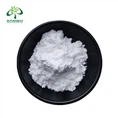
Canagliflozin description
Canagliflozin powder is a medicine used to treat type 2 diabetes to control the disease by lowering blood sugar levels. It belongs to the sodium sugar cotransporter 2 (SGLT2) inhibitor and the second generation of SGLT2 inhibitors. By inhibiting the SGLT2 protein, it helps to reduce the speed of glucose synthesis by the liver and allows the kidneys to excrete more sugar. SGLT2 is a protein in the kidney responsible for reabsorbing glucose from the glomerular filtrate back into the blood. It works by inhibiting SGLT2 to reduce the amount of glucose reabsorbed by the kidneys, allowing more glucose to be excreted through the urine and lowering blood sugar levels.
Canagliflozin is indicated for adults with type 2 diabetes who have failed to control blood sugar levels through exercise and dietary changes. In addition to lowering blood sugar levels, it can help with weight control and has a blood pressure-lowering effect. Research shows that canagliflozin may reduce the risk of pulmonary edema and heart disease. It can be used alone or with other oral hypoglycemic drugs or insulin. Whether you need raw canagliflozin or other raw products, you can contact Xi'an Sonwu.

Canagliflozin vs dapagliflozin
Canagliflozin and dapagliflozin are two drugs used to treat type 2 diabetes; both products prevent the kidneys from reabsorbing glucose, thereby increasing the amount of glucose excreted in the urine. Although their mechanisms of action are similar, there are some differences between canagliflozin and dapagliflozin in terms of their mechanism of action, efficacy, safety, and pharmacokinetic properties.
A controlled trial comparing the effectiveness of canagliflozin and dapagliflozin showed that canagliflozin appeared more effective than dapagliflozin in lowering hemoglobin A1c levels. Another clinical trial found that canagliflozin reduced cardiovascular in high-risk patients with type 2 diabetes compared with dapagliflozin, which did not show such a benefit.
Canagliflozin increases the risk of lower limb amputation, especially in patients with a peripheral vascular disease or neuropathy history. This risk leads to a boxed warning on the drug label. Dapagliflozin was associated with an increased risk of urinary tract infections and genital infections (such as yeast infections and bacterial vaginosis) in both men and women. Both drugs also cause an increased risk of hypoglycemia, especially when combined with other diabetes drugs such as insulin or sulfonylureas.
Canagliflozin is mainly metabolized in the liver, while dapagliflozin is excreted unchanged in the urine. It means there may be fewer drug interactions with dapagliflozin because enzymes in the liver do not metabolize it.

What does canagliflozin do
Canagliflozin is a medication used to treat type 2 diabetes. Its hypoglycemic effects are achieved by blocking the reabsorption of glucose by the kidneys and promoting its excretion through urine. In addition to its primary effect on blood sugar control, canagliflozin has several other beneficial effects on the body.
1. Improved blood pressure
Canagliflozin has been found to have a beneficial effect on blood pressure in patients with type 2 diabetes. Because the excretion of glucose in urine also leads to sodium excretion, which decreases blood volume and blood pressure.
2. Reduced risk of heart failure and cardiovascular events
Studies have shown that canagliflozin may reduce the risk of hospitalization for heart failure and cardiovascular events in patients with type 2 diabetes. These benefits are likely due to the drug's effect on weight loss, blood pressure, and glucose control.
3. Improved kidney function
Canagliflozin can also improve kidney function in patients with type 2 diabetes because the drug reduces the kidney's burden by promoting the excretion of glucose, which can damage the kidneys over time.
4. Reduced risk of hypoglycemia
Unlike some other diabetes medications, canagliflozin does not typically cause hypoglycemia. In this condition, blood sugar levels drop too low because the drug does not stimulate the body to produce insulin but works by blocking glucose reabsorption in the kidneys.
5. Improved quality of life
For many people with type 2 diabetes, managing their condition can be challenging and disruptive to their daily lives. Canagliflozin can help improve quality of life by reducing the need for frequent blood sugar testing and insulin injections and providing other health benefits.

What are the side effects of canagliflozin
Some of the common side effects of canagliflozin may include:
Increased urination
Urinary tract infections
Vaginal yeast infections
Dehydration
Low blood pressure
Hypoglycemia (low blood sugar)
Ketoacidosis (a severe condition where the body produces too much acid)
Pancreatitis (inflammation of the pancreas)
Increased cholesterol levels
Allergic reactions
Who should not take canagliflozin
Canagliflozin is a medication used to treat type 2 diabetes. However, certain groups of people should not take canagliflozin. These include:
People with severe kidney problems - Canagliflozin should not be used in people with severe or requiring dialysis.
Individuals who have a severe allergic reaction to canagliflozin - People who have experienced a severe allergic reaction to canagliflozin should not take the medication.
Pregnant or breastfeeding women - pregnant or breastfeeding women should not use Canagliflozin as it could harm the fetus or the infant.
People with type 1 diabetes - Canagliflozin is not approved for treating type 1 diabetes and should not be used for this condition.
Individuals with a history of severe dehydration - Canagliflozin can increase the risk of dehydration, and people with a history of severe dehydration should not take this medication.
In some studies, patients with a history of bladder cancer - Canagliflozin has been associated with an increased risk of bladder cancer. People with a history of bladder cancer should not take this medication.

FAQ
The recommended starting dose of canagliflozin is typically 100mg taken orally once daily, with or without food. However, your doctor may adjust your dosage based on your personal medical history and response to treatment. The maximum dose of canagliflozin is 300mg per day. It is essential to follow your doctor's instructions and to take canagliflozin as prescribed to achieve the best results and minimize the risk of side effects.
Xi'an Sonwu can provide not only you with canagliflozin products but also other pharmaceutical raw materials. If you want to know the canagliflozin price or have further questions about this product, please click the email address, and Xi'an Sonwu will provide good suggestions or solutions for your questions.
Email: sales@sonwu.com