




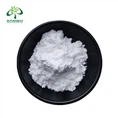
As interest in mitochondrial function and metabolic research continues to grow, scientists are exploring new compounds that influence cellular energy regulation. SLU-PP-915 is an emerging small-molecule research compound known for activating estrogen-related receptors (ERRs), which are involved in mitochondrial activity, energy metabolism, and exercise-related pathways. This article will explore what SLU-PP-915 powder is, how it works, and why its oral bioavailability is important in current preclinical research.
What is SLU-PP-915
SLU-PP-915 powder is classified as a pan-estrogen-related receptor (pan-ERR) agonist, meaning it can activate multiple ERR subtypes, including ERRα, ERRβ, and ERRγ. These receptors are nuclear transcription factors that regulate gene expression associated with mitochondrial energy production, oxidative metabolism, and cellular adaptation.
The development of SLU-PP-915 builds upon research aimed at improving ERR-targeting molecules. While early ERR agonists demonstrated promising biological activity, they faced limitations such as low oral bioavailability. This agonist is a compound with a unique chemical structure designed to improve pharmacological properties for use in laboratory research. In recent years, researchers have shown increasing interest in compounds that influence cellular energy regulation, mitochondrial activity, and metabolic adaptation. Among these emerging research molecules, the compound has garnered significant attention for its ability to activate estrogen-related receptors (ERRs)-a class of nuclear receptors involved in energy metabolism and mitochondrial function.

Unlike peptides or traditional performance-enhancing compounds, this is a synthetic small-molecule research compound designed to investigate the biological effects of ERR activation. Current research focuses primarily on its potential role in understanding exercise-related pathways, mitochondrial regulation, and the mechanisms of metabolic health.
How does SLU-PP-915 work
SLU-PP-915 functions primarily by activating estrogen-related receptors (ERRs), a family of nuclear receptors that regulate cellular energy metabolism, mitochondrial function, and adaptive responses to exercise. As a pan-ERR agonist, SLU-PP-915 is designed to stimulate multiple ERR subtypes-including ERRα, ERRβ, and ERRγ-which act as gene regulators within the cell.
1. Activation of ERR signaling pathways
Upon entering the cell, the compound interacts with the ligand-binding domain of ERR proteins, promoting their activation. Subsequently, the activated ERRs bind to specific DNA regions to regulate the expression of genes involved in energy metabolism.
Unlike estrogen receptors, ERRs are classified as orphan nuclear receptors, meaning they do not naturally respond to estrogen. Instead, they function as regulators of metabolic processes, particularly in tissues with high energy demands, such as skeletal muscle and the heart.
2. Enhancement of mitochondrial activity
One of the primary effects of ERR activation is the regulation of mitochondria-related genes. Research on this compound indicates increased expression levels of several key metabolic genes, including:
PGC-1α (peroxisome proliferator-activated receptor gamma coactivator 1-alpha)-a key regulator of mitochondrial biogenesis
PDK4 (pyruvate dehydrogenase kinase 4)-involved in fuel utilization processes
LDHA (lactate dehydrogenase A)-associated with energy metabolism
Ddit4-a gene linked to cellular responses to exercise
Through these pathways, ERR activation can influence how cells generate and utilize energy.

3. Promotion of oxidative metabolism and energy production
Mitochondria are responsible for converting nutrients into ATP, the primary source of cellular energy. Research on SLU-PP-915 focuses on its ability to modulate pathways related to mitochondrial biogenesis, oxidative phosphorylation, fatty acid oxidation, the Krebs cycle (TCA cycle), and cellular energy balance.
Researchers are investigating whether the compound can enhance mitochondrial efficiency and promote metabolic adaptation by boosting ERR signaling.
4. Mimicking certain exercise-related signals
The compound is often referred to as an exercise-mimetic research compound because ERR pathways are naturally activated during endurance exercise.
In animal studies, it increased the expression of exercise-related genes in mice and improved their aerobic exercise capacity. Researchers observed effects similar to the molecular adaptations induced by endurance training, although these findings are currently limited to preclinical models.
Sequence of its mechanism of action:
SLU-PP-915 → ERR activation → Increased metabolic gene expression → Enhanced mitochondrial pathways → Altered cellular energy adaptation
5. Potential areas of research
Given the close link between ERR signaling and metabolic and mitochondrial biology, the compound is being investigated as a research tool in the following areas: metabolic disease research, mitochondrial dysfunction research, skeletal muscle biology, mechanisms of exercise adaptation, and cardiometabolic research.
For example, studies have explored the relationship between ERR agonists-including SLU-PP-915-and cardiac energy metabolism and mitochondrial function.
Is SLU-PP-915 orally bioavailable
Yes. Preclinical studies indicate that the compound is an orally bioavailable ERR agonist. This is a key distinction between SLU-PP-915 and earlier ERR agonists (such as SLU-PP-332), which, while biologically active, suffered from limited oral bioavailability.
It was developed as a pan-estrogen-related receptor (pan-ERR) agonist featuring a unique chemical structure and improved pharmacokinetic properties. Research shows that when administered orally in animal models, the compound enters the systemic circulation and retains biological activity, allowing researchers to evaluate its effects without the need for injection.
Why is oral bioavailability important?
For research compounds targeting metabolic pathways, oral bioavailability is a crucial factor; it determines whether the compound can be effectively absorbed through the gastrointestinal tract and reach target tissues after oral administration.

Poor oral bioavailability can stem from issues such as low absorption rates in the digestive system, rapid metabolism before entering systemic circulation, poor chemical stability, or limited drug exposure in target tissues.
It was designed to overcome some of the limitations associated with earlier ERR agonists. Its modified chemical structure enables researchers to study ERR activation via oral administration in preclinical models.
Following oral administration, it is absorbed and activates ERRα, ERRβ, and ERRγ receptors. Animal studies demonstrate that it induces the expression of ERR-related genes and triggers molecular responses associated with exercise-including the upregulation of genes such as Ddit4, which is involved in cellular adaptation to aerobic exercise.
It is important to note that while SLU-PP-915 has demonstrated oral bioavailability in animal studies, this does not mean it has been proven safe or effective for humans. Currently, SLU-PP-915 remains a preclinical research compound.
If you would like to learn more about SLU-PP-915 powder, you can contact Xi'an Sonwu for relevant information.
Email: sales@sonwu.com
References:https://www.sciencedirect.com/science/article/pii/S0022356525403000?utm_source=chatgpt.com
https://pmc.ncbi.nlm.nih.gov/articles/PMC10399613/?utm_source=chatgpt.com"
https://pubmed.ncbi.nlm.nih.gov/41421047/?utm_source=chatgpt.com