




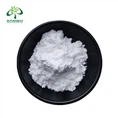
Veliparib hydrochloride powder, also known as ABT888 powder, is a drug that belongs to the class of medications called PARP inhibitors (poly (ADP-ribose) polymerase inhibitors). An enzyme called PARP aids in the mending of DNA damage in cells. By inhibiting PARP, veliparib interferes with the repair of DNA damage in diseased cells, which can lead to cell death, especially those already damaged by genetic mutations or other factors. Treatments for ovarian cancer, breast cancer, prostate cancer, and non-small cell lung cancer (NSCLC) are being investigated, including veliparib HCl. To increase the efficacy of other therapies, such radiation therapy or chemotherapy, it is frequently combined with them. By preventing the repair of DNA damage caused by these treatments, veliparib may improve the overall effectiveness of therapy for diseased cells. As an investigational drug, its use and effectiveness are still being studied in clinical trials to determine the most effective way to incorporate it into disease treatment regimens.

Veliparib Mechanism Of Action
Veliparib (ABT-888) works primarily by inhibiting the activity of the enzyme poly (ADP-ribose) polymerase (PARP). PARP enzymes are vital in repairing single-strand breaks (SSBs) in DNA via the base excision repair pathway. The following is a detailed description of its mechanism of action:
1. PARP inhibition: Veliparib binds to PARP enzymes, specifically PARP-1 and PARP-2, inhibiting their activity. This prevents PARP from catalyzing the repair of single-strand DNA breaks.
2. DNA damage accumulation: When PARP is inhibited, single-strand breaks accumulate. During DNA replication, these breaks can lead to the formation of double-strand breaks (DSBs) if not repaired in time.
3. Synthetic lethality: Veliparib exploits the concept of synthetic lethality, which is particularly effective in diseased cells with defects in other DNA repair pathways, such as those involving BRCA1 or BRCA2 mutations. In cells with these mutations, the homologous recombination repair (HRR) pathway for DSBs is already impaired. Additional inhibition of PARP blocks the repair of SSBs and leads to the accumulation of DSBs, which the cell cannot effectively repair, leading to cell death.

4. Enhanced cytotoxicity by DNA damaging agents: Veliparib is often used with chemotherapy or radiation therapy, which induces DNA damage. By inhibiting PARP, Veliparib prevents the repair of this induced damage, thereby enhancing the cytotoxic effects of these treatments on diseased cells.
In conclusion, veliparib works by inhibiting the PARP enzyme, which causes a build-up of DNA damage and, in the end, the promotion of sick cell death, particularly in cells that already have deficiencies in their DNA repair systems.
What Are PARP Inhibitors Used For
PARP inhibitors primarily treat diseased cell populations, especially those with defective DNA repair mechanisms. Here are some of the primary uses for PARP inhibitors:
1. Ovarian-diseased cells: PARP inhibitors are often used to treat ovarian-diseased cells, especially those with BRCA1 or BRCA2 mutations. They have shown efficacy in maintenance therapy and treating recurrent ovarian diseased cells.
2. Breast-diseased cells: These inhibitors are also used to treat breast-diseased cells, especially those with BRCA mutations. They can be used as monotherapy or in combination with other therapies.
3. Prostate-diseased cells: PARP inhibitors have shown promise in treating metastatic castration-resistant prostate-diseased cells (mCRPC) in patients with mutations in DNA repair genes, including BRCA1, BRCA2, and other homologous recombination repair (HRR) genes.
4. Pancreatic diseased cells: Some PARP inhibitors treat pancreatic diseased cells in patients with germline BRCA mutations.
5. Other diseased cell groups: Studies are underway to evaluate the effectiveness of PARP inhibitors on other types of diseased cells, including non-small cell lung diseased cells (NSCLC), gastric diseased cells, etc.

It can also be used in combination with other therapies
1. Chemotherapy: PARP inhibitors are often used with DNA-damaging chemotherapy to enhance their efficacy.
2. Radiotherapy: They can also be used with radiotherapy to prevent the repair of radiation-induced DNA damage.
PARP inhibitors represent a significant advance in targeted therapy for certain diseased cells, especially those with specific genetic vulnerabilities in DNA repair pathways.
Veliparib vS olaparib
Both veliparib and olaparib are PARP inhibitors used for treating diseased cells, but they differ in clinical application, mechanism, and development status. Here is a comparison of the two:
Veliparib (ABT-888)
1. Mechanism of action: Inhibits PARP-1 and PARP-2, preventing the repair of single-strand DNA breaks. Prevents treatment-induced DNA damage from being repaired, increasing the efficacy of radiation and chemotherapy.
2. Clinical application: An investigational drug in various clinical trials. It is being studied in ovarian, breast, lung, and other diseased cell groups, especially in combination with other treatments. It may be helpful for diseased cell groups with BRCA mutations and other DNA repair defects.
3. Approval status: According to current information, veliparib is still being investigated in clinical studies and has not received regulatory agency approval (e.g., FDA).
4. Combination therapy: It is often used with other chemotherapy drugs and radiotherapy to enhance efficacy.

Olaparib (Lynparza)
1. Mechanism of action: Inhibits PARP-1, PARP-2, and PARP-3, leading to DNA damage and cell death accumulation. Particularly effective against BRCA1 or BRCA2 mutant cells due to synthetic lethality.
2. Clinical applications: Approved for use in various diseased cell populations, including ovarian, breast, pancreatic, and prostate diseased cells. It is particularly suitable for conditions with BRCA1/2 mutations or other homologous recombination repair (HRR) deficiencies. They are used as maintenance therapy to prolong remission and treat advanced disease.
3. Approval status: It was approved by regulatory agencies such as the FDA for various indications. Widely available and used in clinical practice.
4. Combination therapy: It can be used as a monotherapy or in combination with other drugs. Approved for use with specific chemotherapy regimens and targeted therapies.
In summary, while both drugs are PARP inhibitors with similar mechanisms of action, olaparib is more advanced regarding clinical approval and established uses. At the same time, veliparib is still being explored in clinical trials to determine its full potential and application in treating the condition.
If you want to know more about the Veliparib hydrochloride manufacturer, you can contact Xi'an Sonwu. Click the email to get a high-quality ABT888 powder.
Email: sales@sonwu.com