




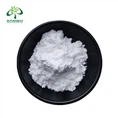
Nucleotides serve as fundamental building blocks of life, participating in essential processes such as genetic encoding, energy transfer, and cellular signaling. Among these, uridine monophosphate hydrate (UMP-H) stands out as a key pyrimidine nucleotide and a critical component of RNA. It supports not only nucleic acid synthesis and protein translation but also contributes to energy metabolism, glycogen storage, and neural function. In this article, we examine the structural characteristics, biological functions, absorption mechanisms, and diverse applications of UMP-H in both physiological and research contexts.
What Is UMP-H
UMP-H powder is a hydrated acid with the chemical formula C9H12N207.H2Oformula C9H12N2O7.H2O. It is a constituent of RNA (ribonucleic acid). The Ta component of it includes a group. At the chemical level, the critical feature of Uraclbase is its nucleotide structure, specifically uridine. The 3' and 5 'carbon atoms of uridine are respectively connected to phosphate groups, making it uridine acid. This hydrate in hydrate form has an additional water molecule, which usually affects its crystallization properties and solubility. This nucleotide plays a crucial role in organisms and serves as the basic unit of RNA synthesis. In cells, it participates in the assembly of ribosomes and the translation process of proteins. Its phosphate group and RNA chains are essentialF for transmitting genetic information. In laboratory and pharmaceutical research, this product is often used to synthesize nucleic acids for molecular research. Its stability and solubility make it very useful in these applications and products. If you are interested in UMP-H, please do not hesitate to contact Xi'an Sonwu.

What Is UMP-H Used For In The Body
Uridine monophosphate, a crucial nucleotide, plays a fundamental role in numerous biological processes. Its most core function is as a key building block for RNA synthesis, directly participating in the formation of messenger RNA, ribosomal RNA, and transfer RNA, thereby supporting protein biosynthesis and regulating gene expression. It also plays a role in maintaining genomic stability. Participating in specific DNA repair mechanisms helps reduce the accumulation of mutations and ensures the accurate transmission of genetic information.
In energy and material metabolism, UMP-H performs multiple functions by converting into higher-energy derivatives. It is sequentially phosphorylated to form UDP (uridine diphosphate) and UTP (uridine triphosphate). The latter, a high-energy molecule, participates in energy transfer and enzymatic reactions in the metabolism of carbohydrates and lipids within cells.UDP then combines with glucose to form UDP-glucose, a crucial precursor for glycogen production and storage in the liver and muscles. The product also indirectly contributes to the construction of cell membranes, supporting the biosynthesis of membrane components, including glycoproteins and glycolipids, by providing the nucleotide sugar precursors necessary for glycosylation.

This hydrate also has potential regulatory functions in the nervous system. According to research, it may improve cognitive performance, learning, and memory by affecting phospholipid metabolism and neurotransmitter synthesis. Its derivatives also participate in cellular signaling pathways, helping to regulate processes such as cell growth and differentiation. These broad functions make the product not only crucial in basic cellular metabolism but also physiologically significant in maintaining energy homeostasis and supporting neurological health.
How Does UMP-H Get Absorbed In The Body
The absorption of the product in the human body is a delicate multi-step process that begins with efficient processing in the digestive tract. When this hydrate, derived from the diet or RNA-rich foods, enters the gastrointestinal tract, it is first degraded by nucleases and phosphatases secreted by the pancreas and intestine. During this step, it is typically dephosphorylated and converted to uridine. This reaction, catalyzed by intestinal alkaline phosphatase, is a critical preprocessing step before nucleotide absorption, as enterocytes more readily take up neutral nucleosides than charged nucleotides.
The enterocyte then takes uridine through specialized transporters on its apical membrane. Concentrating nucleoside transporters (CNTs) actively transport nucleosides into the cell using a sodium ion gradient, while equilibrative nucleoside transporters (ENTs) facilitate bidirectional diffusion of nucleosides to accommodate concentration fluctuations. This specific transporter-dependent mechanism ensures efficient and selective absorption. Uridine then enters the capillaries across the basolateral membrane and enters the portal vein, where it is primarily delivered to the liver.
In the liver, uridine undergoes significant first-pass metabolism. Hepatocytes are rich in uridine kinase, which rapidly rephosphorylates uridine to its active form, thereby restoring it. Some of it is directly utilized within hepatocytes, for example, in the synthesis of glycogen or RNA. At the same time, another portion is further phosphorylated to UDP and UTP, which participate in energy metabolism or the production of sugar derivatives. These compounds then enter the systemic circulation and are transported to other organs and tissues.

Ultimately, this product and its derivatives are distributed throughout the body through systemic circulation. Numerous nucleoside and nucleotide transporters located on the cell membrane mediate their intracellular uptake. Within the cell, it can serve as a feedstock for RNA synthesis or, through kinase-catalyzed conversion to UTP, which is used in glycogen synthesis, glycolipid modification, and cell signaling. This efficient uptake pathway, from uptake and conversion to transport and utilization, ensures that UMP-H can support its diverse physiological roles in cognitive function, energy metabolism, and genetic regulation.
If you would like to inquire about the price of UMP-H powder or request additional product information, please get in touch with Xi'an Sonwu directly.
Email: sales@sonwu.com