




What Is The Use Of Ticarcillin Disodium
Ticarcillin disodium is a type of antibiotic used primarily to treat infections caused by susceptible bacteria. It belongs to the penicillin class of antibiotics and is often used to target a wide range of bacterial infections. It is particularly effective against gram-negative bacteria, including Pseudomonas aeruginosa, and certain gram-positive bacteria. If you are interested in Ticarcillin disodium, please feel free to contact Xi'an Sonwu.
Here are some common uses of Ticarcillin disodium:
1. Respiratory Infections: It can be used to treat pneumonia or other lower respiratory tract infections caused by susceptible organisms.
2. Urinary Tract Infections: it is sometimes used for complicated urinary tract infections.

3. Intra-abdominal Infections: It can be used in the treatment of abdominal infections, such as peritonitis or intra-abdominal abscesses.
4.Sepsis: It may be used in the management of sepsis (bloodstream infections) caused by susceptible bacteria.
5.Soft Tissue Infections: it is used in the treatment of infections involving the skin and soft tissues.
It is often used in combination with other antibiotics, such as clavulanic acid, to help prevent bacterial resistance and enhance its effectiveness.
Can Ticarcillin Be Taken Orally
No, it is not typically taken orally. It is usually given intravenously (IV) or sometimes intramuscularly (IM) because it is poorly absorbed when taken orally. This is due to the fact that it is unstable in the acidic environment of the stomach, which makes it ineffective if taken orally.
For oral use, other forms of penicillin, like amoxicillin or penicillin V, are commonly prescribed as they are better absorbed in the gastrointestinal tract.
What Is The Contraindication Of Ticarcillin
The primary contraindications for Ticarcillin include:
1. Allergy to Penicillins or Beta-lactam Antibiotics: it is a penicillin-type antibiotic, so it should not be used in patients who are allergic to penicillins or other beta-lactam antibiotics (like cephalosporins). Allergic reactions can range from mild rashes to severe anaphylaxis.
2. History of Hypersensitivity Reactions to Ticarcillin: If a patient has previously had an allergic reaction specifically to it or any component of the formulation, it should be avoided.
3. Severe Renal Impairment: it is primarily excreted by the kidneys, so it should be used with caution in patients with severe kidney dysfunction. Dosage adjustments may be needed for these patients, but in some cases, it might be contraindicated.

4. Mononucleosis: Use of it (or other penicillins) in patients with mononucleosis (commonly caused by Epstein-Barr virus) can lead to a high risk of developing a rash.
As with any medication, it is crucial to consult with a healthcare provider for a full assessment of individual risks and potential contraindications before using it.
ls Ticarcillin Effective Against Pseudomonas
Yes, it is effective against Pseudomonas aeruginosa, a common and potentially dangerous gram-negative bacterium. It, particularly when used in its Ticarcillin disodium form, has activity against a range of gram-negative bacteria, including Pseudomonas aeruginosa.
However, Pseudomonas species can be resistant to many antibiotics, including especially in hospital or healthcare settings. In some cases, it may be used in combination with other agents like clavulanic acid to enhance its effectiveness and help prevent bacterial resistance. This combination can help treat infections caused by Pseudomonas.
That said, susceptibility testing is typically done in clinical settings to determine the most appropriate antibiotic for treating Pseudomonas infections, as resistance patterns can vary.
What Are The Adverse Effects Of Ticarcillin
It can cause a variety of adverse effects, as with most antibiotics. Some of the potential side effects include:
Common Adverse Effects:
1. Gastrointestinal Disturbances:
Nausea
Vomiting
Diarrhea
Abdominal pain
2. Allergic Reactions:
Rash
Urticaria (hives)
Fever
Angioedema (swelling of deeper layers of skin)
Anaphylaxis (a severe, potentially life-threatening allergic reaction)
Serious Adverse Effects:
1. Renal (Kidney) Toxicity:
Interstitial nephritis (inflammation of the kidneys)
Renal failure (particularly in patients with pre-existing kidney problems)
It may need dose adjustments or avoidance in patients with renal impairment.
2. Hematologic Effects:
Leukopenia (low white blood cell count)
Thrombocytopenia (low platelet count)
Eosinophilia (elevated eosinophil count, a type of white blood cell)
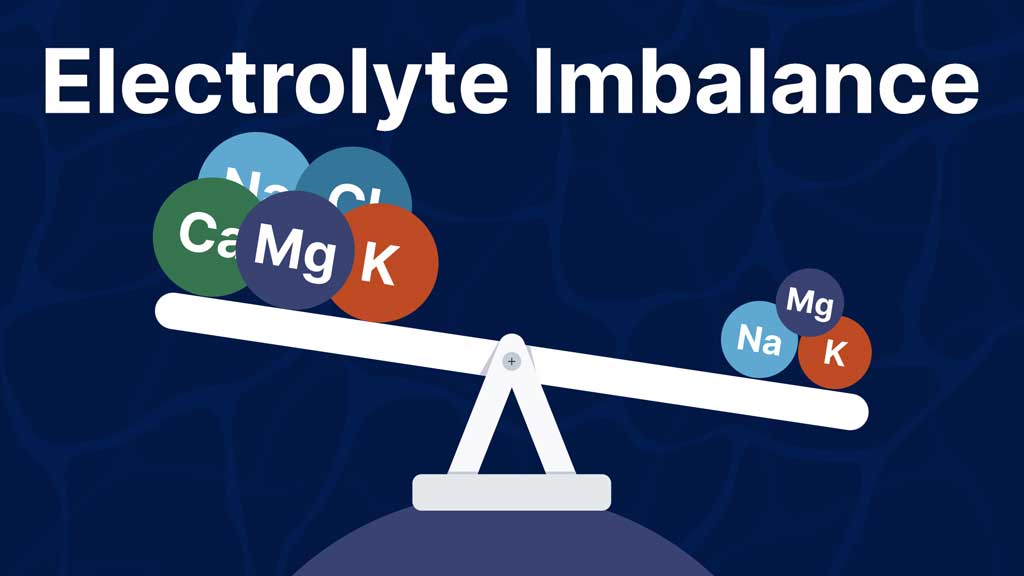
3. Electrolyte Imbalances:
It may cause sodium retention, which can lead to fluid overload, especially in patients with pre-existing heart or kidney issues.
4. Superinfections:
Prolonged use of Ticarcillin, like other broad-spectrum antibiotics, can disrupt normal bacterial flora, leading to overgrowth of resistant organisms like Clostridium difficile and causing antibiotic-associated colitis.
5. Severe Allergic Reactions:
Anaphylaxis (severe allergic reaction, including difficulty breathing, swelling, and a drop in blood pressure) is rare but can be life-threatening.
Monitoring:
Because of the potential for renal toxicity and other serious effects, patients on it may require regular monitoring of kidney function, electrolyte levels, and complete blood counts, especially with prolonged therapy.
If any severe reactions occur, such as difficulty breathing, swelling of the face or throat, or severe skin rash, it is important to seek medical attention immediately. Always consult with a healthcare provider about any concerns or side effects.
If you want to know the price of Ticarcillin disodium, are interested in Xi'an Sonwu, or have other questions about the product, do not hesitate to contact Xi'an Sonwu.