




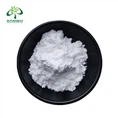
Tryptamine drugs
Tryptamine powder is a monoamine alkaloid found in plants, animals, and fungi. In plants, it is a defense mechanism against predators and pests. In animals, it regulates mood, appetite, sleep, and wakefulness. Tryptamine exists in trace amounts in the mammalian brain and acts as a neuromodulator and neurotransmitter. It is commonly used to prepare bioactive compounds such as neurotransmitters and psychedelic drugs. Tryptamine is known for its ability to act as a nonselective serotonin receptor agonist, producing serotonin and dopamine.
This compound is very versatile. Medical researchers and psychologists widely use it to explore the effects of psychedelic drugs. It is also increasingly used as a supplement to treat depression, anxiety, and insomnia and as an anti-inflammatory agent to reduce inflammation in the body. Tryptophan is also being investigated for its potential role in treating cognitive disorders, including Alzheimer's and Parkinson's. Tryptamine has even been studied for its possible benefits in treating major diseases and other ailments because it targets specific proteins within cells that can induce lousy cell growth. Studies have shown that tryptamine can reduce the spread of harmful cells while promoting apoptosis. You can get bulk tryptamine Ingredients online at Xi'an Sonwu, and you can be confident that you are getting a high-quality product that is safe and effective.

What is the structure of tryptamine
The scientific name of tryptamine is 3-(2-aminoethyl)-indole, a white crystal soluble in ethanol and acetone but almost insoluble in ether, benzene, chloroform, and water. Tryptamine comes from a structurally similar amino acid product, tryptophan, a biogenic amine formed from the decarboxylation of tryptophan by L-aromatic amino acid decarboxylase. Tryptamines are a class of compounds with tryptamine as the parent structure, which contain many biologically active substances. It is commonly used to prepare bioactive compounds such as neurotransmitters and psychedelic drugs. Standard references to tryptamines are related to hallucinogens since they are a subclass of hallucinogens.
Tryptamines are indole cyclic monoamine alkaloids. That is to say, and they contain an indole structure. The indole is a double-ring structure consisting of a six-membered benzene ring and a five-membered nitrogen-containing pyrrole ring where the N-group of the five-membered benzene ring is adjacent to the six-membered benzene ring, and the other two C's that are not connected to the benzene ring are double-bonded. Indole structure is a mine with weak basicity, and the double bind of heterocyclic rings generally does not undergo an addition reaction. Still, dimerization and trimerization can occur under the action of strong acid. Tryptamine is an intermediate in synthesizing alkaloids such as vincamine and dehydrovincamine ethyl ester for treating cerebral arteriosclerosis and is also a chemical reagent.

Tryptamine function
Tryptamine, an agonist of hTAAR1, can regulate the balance between inhibitory and excitatory activation of hTAAR1 in neural activity. It acts as a nonselective serotonin receptor agonist and serotonin-norepinephrine-dopamine-releasing agent (SNDRA), which induces more serotonin and dopamine release than norepinephrine release. It is a noncompetitive inhibitor of serotonin N-acetyltransferase (SNAT) in mosquitoes. SNAT catalyzes the anabolism of serotonin to generate N-acetylserotonin, another neuromodulator, notably a neurotrophic factor produced by anxiety via TrkB, and an immediate precursor to melatonin. In addition, it is also a substrate for determining arylamine N-methyltransferase and monoamine oxidase activity in tissue homogenates.
Tryptamine can interact with neurotransmitters like serotonin. As a trace neuromodulator, it can activate the trace amine-related receptor TAAR1 in a small amount, regulate the reactivity of neuron cells without binding to the relevant postsynaptic receptors, and play a neuromodulatory role. Serotonin receptors that generally interact with tryptamine include 5-HT1A, 5-HT1D, 5-HT2A, and 5-HT2C, which typically bind 5-HT2A with high affinity and 5-HT1A with low affinity. It also acts as an hTAAR1 agonist, increasing neuronal firing by inhibiting the neurotransmitter cycle of cAMP-dependent phosphorylation of the monoamine reuptake transporter. This mechanism increases the number of neurotransmitters in the synaptic cleft, allowing postsynaptic receptor binding and neuronal activation.
The production of tryptamine in the human body needs to be completed through synthesizing endogenous neurotransmitters Vivo, and tryptophan decarboxylase removes the carboxylic acid group on the alpha carbon of tryptophan to produce tryptophan. Synthetic modification of tryptamine produces serotonin and melatonin, making other tryptamine-like products. Tryptamine is also a ligand for type 4 serotonin receptors in the intestinal epithelium and regulates gastrointestinal electrolyte balance through colonic secretions. As you can see, the work process and function of tryptamine are significant, so if you want to find a tryptamine manufacturer, you can contact Xi'an Sonwu.

Tryptamine side effects
Harmful if swallowed.
It may cause an allergic skin reaction.
Causes severe eye damage.
Toxic to aquatic life.
FAQ
Tryptamine is a toxic substance, and only 223.2 mg can cause acute poisoning in rats.
It is also an explosive compound that produces toxic nitrogen oxide fumes when burned.
Judging from Xi'an Sonwu Co., Ltd.'s more than ten years of manufacturing experience, customers' needs are mainly raw tryptamine materials. We can provide not only tryptamine products but also other pharmaceutical raw materials. If you need tryptamine or have additional questions about this product, please click the e-mail address, and I will provide good suggestions or solutions for your questions.
E-mail: sales@sonwu.com