




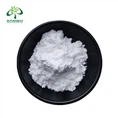
Kanna extract powder is a traditional herbal remedy native to South Africa, derived from the Sceletium tortuosum plant. The indigenous Khoisan people have used it for centuries to improve mood and for medicinal purposes. Its scientific name is Sceletium tortuosum, and its common names include Kanna, Channa, and Kougoed. It belongs to the Aizoaceae family, and the plant type is a succulent. The Khoisan people have been using Kanna for psychoactive effects, including improving mood, relaxation, and relieving stress. Traditionally, people chewed, smoked, or used it as a tea. Historically, Kanna was used to alleviate hunger, thirst, and fatigue during long hunting trips, as well as to treat pain and enhance social interaction. The main active ingredients in Kanna are alkaloids, including pinolene, pinolene, pinoleol, and totamine. These compounds are the source of most of Kanna's psychoactive and therapeutic effects. Kanna also contains triterpenoids, flavonoids, phenolic compounds, stilbenes, and fatty acids, all contributing to its pharmacological properties.

Kanna Extract Mechanism Of Action Wikipedia
Kanna extract (Sceletium tortuosum) exerts its effects through several mechanisms of action, primarily involving neurotransmitter systems and enzyme inhibition. The fundamental mechanisms include:
1. Serotonin Reuptake Inhibition (SRI)
Mesembrine and Mesembrenone: These primary alkaloids in Kanna act as serotonin reuptake inhibitors. They block the serotonin transporter (SERT), preventing the reabsorption of serotonin into presynaptic neurons. This increases serotonin levels in the synaptic cleft, enhancing mood and reducing anxiety and depression.

2. Phosphodiesterase-4 (PDE4) Inhibition
Mesembrenone and Mesembrenol: PDE4, an enzyme that degrades cyclic adenosine monophosphate (cAMP), is inhibited by these substances. By inhibiting PDE4, Kanna increases cAMP levels, enhancing cognitive function, improving mood, and reducing inflammation. This mechanism is also associated with antidepressant and anxiolytic effects.
3. Interaction with Dopamine Receptors
Mesembrine and Related Alkaloids: Some research suggests that Kanna alkaloids may interact with dopamine receptors, particularly D1 and D2. This interaction can enhance mood, improve motivation, and provide mild stimulatory effects.
4. GABA Receptor Modulation
Sedative and Anxiolytic Effects: Kanna is believed to modulate GABA (gamma-aminobutyric acid) receptors, inhibitory neurotransmitters in the brain. This modulation can produce calming and soothing effects, reducing anxiety and promoting relaxation.
5. Opioid Receptor Interaction
Analgesic and Mood-Enhancing Effects: Some studies indicate that Kanna compounds might interact with opioid receptors, contributing to their analgesic properties and potential mood enhancement. This interaction could explain some of the euphoric effects reported by users.

6. Anti-inflammatory and Antioxidant Effects
Flavonoids and Phenolic Compounds: Kanna contains flavonoids and phenolic compounds that exhibit antioxidant and anti-inflammatory properties. These effects can protect neurons from oxidative stress and inflammation, potentially contributing to neuroprotection and overall brain health.
The combined actions of serotonin reuptake inhibition, PDE4 inhibition, dopamine receptor interaction, GABA receptor modulation, and possible opioid receptor interaction contribute to the complex pharmacological profile of kanna extract. These mechanisms underlie its effects on mood enhancement, anxiety reduction, cognitive improvement, pain relief, and overall mental well-being.
What Are The Ingredients In Kanna
Kanna (Sceletium tortuosum) contains various bioactive compounds that contribute to its pharmacological effects. The primary active ingredients include:
1. Mesembrine Alkaloids
These are the main active components in Kanna and are responsible for its psychoactive properties.
Mesembrine: This is the most abundant alkaloid in kanna. It functions as a serotonin reuptake inhibitor (SRI), raising brain serotonin levels and perhaps lowering anxiety and mood.
Mesembrenone: This compound also functions as a serotonin reuptake inhibitor and has some phosphodiesterase 4 (PDE4) inhibitory activity, which can enhance cognitive function and reduce inflammation.
Mesembrenol: Another alkaloid with similar effects on serotonin and cognitive function.
Tortuosamine: An alkaloid with potential mood-enhancing effects.

2. Triterpenoids
These compounds have various pharmacological activities, including anti-inflammatory and antimicrobial effects.
3. Flavonoids
Kanna contains several flavonoids known for their antioxidant and anti-inflammatory properties.
4. Phenolic Compounds
These substances support the antioxidant properties of kanna, which aid in shielding cells from oxidative damage.
5. Stilbenoids
Stilbenoids in Kanna may have anti-inflammatory and neuroprotective effects.
6. Fatty Acids
Kanna contains essential fatty acids necessary for maintaining cell membrane integrity and overall health.
Minor Alkaloids and Other Compounds
In addition to the significant alkaloids, Kanna also contains minor alkaloids and other compounds that may contribute to its overall effects. The specific profile of these compounds can vary depending on the plant's growing conditions, harvesting time, and preparation methods.
Combining these active ingredients contributes to Kanna's potential mood-enhancing, anxiolytic, and cognitive-enhancing effects.
Is Kanna Safe For Kids
The safety of Kanna (Sceletium tortuosum) for children has yet to be well-studied, and there is limited clinical evidence to support its use in this population. Given the lack of specific safety data and the potential for significant pharmacological effects, administering Kanna to children is generally not recommended. Here are some considerations:
1. Lack of Research
Insufficient Data: More research on the effects of kanna in children needs to be done. Most studies and anecdotal reports focus on adult use.
Unknown Long-Term Effects: The long-term effects of Kanna use in children are unknown, which raises concerns about developmental impacts.
2. Potential Side Effects

Psychological Effects: Kanna affects neurotransmitter systems, influencing mood and cognition. In children whose brains are still developing, this could lead to unintended psychological effects.
Physical Side Effects: Possible side effects such as gastrointestinal issues, headaches, dizziness, and dry mouth could be more pronounced or problematic in children.
3. Interactions with Other Medications
Risk of Interactions: Children might be taking other medications for various conditions, and Kanna's interactions with these medications, particularly those affecting the central nervous system, are poorly understood.
Serotonin Syndrome: If Kanna is taken with other serotonergic drugs, there is a chance of serotonin syndrome, which can be especially harmful to young patients.
4. Alternative Treatments
Evidence-Based Alternatives: For conditions such as anxiety, depression, or ADHD in children, there are evidence-based treatments that are better studied and understood, such as cognitive-behavioral therapy (CBT) and certain medications prescribed by pediatricians or child psychiatrists.
Whenever deciding on a treatment or supplement, especially for youngsters, it is best to consult a licensed healthcare professional.
If you want to know more about the Kanna extract manufacturer, you can contact Xi'an Sonwu. Click the email, and then you get high-quality sceletium tortuosum extract.
Email: sales@sonwu.com