




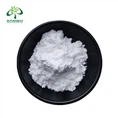
98 Polydatin Powder, a polygonum cuspidatum root extract, often called piceid, this substance is inherently a member of the stilbene class. It is a derivative of resveratrol with enhanced bioavailability and a naturally occurring strong stilbenoid polyphenol. Potential biological actions of polydatin mostly involve the control of important signaling pathways related to oxidative stress, apoptosis, and inflammation. It is a white needle-shaped crystalline powder. It is easily soluble in methanol, ethanol, and ethyl acetate and slightly soluble in water. It has antitussive, expectorant, antiasthmatic, antibacterial, free radical scavenging, lipid-regulating, cholesterol-lowering, and antibacterial effects. It inhibits Staphylococcus aureus, Catarrhalis, Type A or Type B Streptococcus, Escherichia coli, etc. It can improve microcirculation, inhibit the release of lysosomal enzymes, resist oxidation, prevent white blood cell adhesion in microcirculation, lower blood lipids, resist lipid peroxidation, resist pathogenic microorganisms, antitussive, antiasthmatic, antibacterial, antiviral, and liver protection. The specific link of cell signal transduction in which Polydatin acts in cells provides theoretical guidance for the clinical prevention and treatment of shock, the development of new drugs, and the study of shock mechanisms.

Mechanism Of Action Of Polydatin
Polydatin, or piceid, is a naturally occurring polyphenolic compound and a glycoside form of resveratrol, primarily found in the roots of Polygonum cuspidatum (Japanese knotweed) and other plants. It exhibits a wide range of pharmacological activities due to its various mechanisms of action. Below is a detailed description of its mechanisms:
1. Antioxidant Activity
Scavenging Free Radicals: It can neutralize reactive oxygen species (ROS) and other free radicals, reducing cell oxidative stress.
Enhancing Antioxidant Enzymes: It increases the expression and function of endogenous antioxidant enzymes that help shield cells from oxidative damage, including glutathione peroxidase, catalase, and superoxide dismutase (SOD).
2. Anti-inflammatory Effects
Inhibition of Pro-inflammatory Cytokines: The inflammatory response is mostly regulated by pro-inflammatory cytokines such as TNF-α, IL-1β, and IL-6, all of which are inhibited by it.
Modulation of NF-κB Pathway: It lessens inflammation at the molecular level by preventing the activation of the nuclear factor-kappa B (NF-κB) pathway, a crucial regulator of inflammation.
3. Cardiovascular Protection
Improvement of Endothelial Function: It enhances endothelial function by increasing nitric oxide (NO) production, which helps in vasodilation and improves blood flow. It also protects endothelial cells from apoptosis (cell death).
Anti-hypertensive Effects: By promoting vasodilation and improving endothelial function, it can help lower blood pressure.

4. Neuroprotection
Reduction of Neuroinflammation: Neuroinflammation is linked to the etiology of a number of neurodegenerative illnesses, but polydatin reduces it.
Protection Against Neurotoxicity: It protects neurons from toxic insults, including excitotoxicity (overactivation of neurons leading to damage) and oxidative stress, potentially reducing the risk of neurodegenerative conditions.
5. Metabolic Regulation
Enhancement of Glucose Metabolism: It promotes glucose uptake in cells and improves insulin sensitivity, which is beneficial in managing diabetes.
Lipid Metabolism Modulation: It helps regulate lipid metabolism, reduce lipid accumulation in cells, and improve overall lipid profiles, which is beneficial for managing conditions like hyperlipidemia.
6. Mitochondrial Protection
Mitochondrial Biogenesis: It promotes the formation of new mitochondria, which enhances cellular energy metabolism and overall cell health. Mitophagy stimulates mitophagy, the process of selective degradation of damaged mitochondria, thus maintaining mitochondrial quality and function.
It exhibits diverse pharmacological effects through its antioxidant, anti-inflammatory, cardioprotective, neuroprotective, metabolic regulatory, anticancer, and mitochondrial protective mechanisms. Polydatin's diverse activities render it a viable candidate for additional investigation and possible therapeutic applications in a range of illnesses, such as cancer, neurological disorders, inflammatory conditions, diabetes, and cardiovascular diseases.
What Is Polydatin In Skin Care
It is gaining attention in skincare for its numerous beneficial properties.

1. Antioxidant Properties:
Free Radical Scavenging: Robust antioxidant it eliminates free radicals and unstable chemicals, which can cause oxidative stress and damage skin cells. This keeps the skin healthy and helps avoid premature aging.
Protection Against UV Damage: By mitigating oxidative stress, it can help protect the skin from damage caused by UV radiation, reducing the risk of sunburn and long-term photodamage.
2. Anti-inflammatory Effects:
Reduction of Inflammation: It reduces the production of pro-inflammatory cytokines, thereby soothing irritated skin and reducing redness and swelling. This makes it beneficial for conditions like acne, eczema, and rosacea.
3. Anti-aging Benefits:
Collagen Production: It helps promote collagen synthesis, crucial for maintaining skin elasticity and firmness. Wrinkles and fine lines can appear less noticeable when collagen production is increased.
Skin Cell Renewal: It helps maintain a youthful and vibrant complexion by enhancing cellular turnover and repair processes.
4. Moisturizing Effects:
Hydration: It supports the skin's barrier function, helping retain moisture and preventing dehydration. This leads to smoother, more supple skin.
5. Brightening and Even Skin Tone:
Inhibition of Melanin Production: By preventing the synthesis of melanin, it can help fade dark spots and hyperpigmentation, resulting in more uniform skin tone and a more radiant complexion.

6. Protection Against Environmental Stressors:
Pollution Defense: Polydatin's antioxidant properties also protect against environmental pollutants, which can cause skin damage and accelerate aging.
What Are The Sources Of Polydatin
Polydatin, or piceid, is a naturally occurring polyphenolic compound in various plants. Here are some primary sources of it:
1. Polygonum cuspidatum (Japanese Knotweed)
This is the most well-known source of it. The roots of Japanese knotweed are particularly rich in it and resveratrol.
2. Grapes (Vitis vinifera)
It is present in the skins, seeds, and stems of grapes.
3. Red Wine
Since it is found in grapes, it is also present in red wine, although in lower concentrations than the original grape sources.
4. Peanuts (Arachis hypogaea)
It is found in peanuts, although in smaller amounts than other sources.
5. Berries (e.g., Blueberries, Mulberries)
Certain berries contain it, contributing to their rich antioxidant profiles.
6. Pine (Pinus species)
Some pine species, such as the pine tree's bark, contain it.
If you want to know more about the polydatin manufacturer, you can contact Xi'an Sonwu. Click the email, and then you get high-quality polygonum cuspidatum root extract.
Email: sales@sonwu.com