




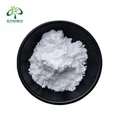
Pramiracetam capsules is a synthetic compound belonging to the "racetam" class of drugs; its chemical structure is derived from gamma-aminobutyric acid (GABA). Despite decades of research, its precise mechanism of action remains unclear. Studies have primarily focused on its effects on neuronal cell membranes, neurotransmitter signaling, and the physical properties of blood cells.
For distributors of pharmaceutical raw materials, laboratory procurement teams, and research institutions, understanding these mechanisms is only one part of the evaluation process. Purchasers must also distinguish between known chemical properties and anticipated pharmacological effects, while assessing whether a supplier can provide reliable analytical documentation. Examining both the scientific evidence and the quality requirements for raw materials provides a more practical foundation for making informed procurement decisions.

How does Pramiracetam affect cell membrane fluidity
One primary hypothesis about its mechanism of action concerns its influence on cell membrane fluidity. Neuronal membranes consist of phospholipids, cholesterol, and proteins-components that collectively regulate membrane structure, cellular communication, and the activity of membrane-associated proteins.

Membrane fluidity refers to how easily membrane components move within the membrane. Changes in this property can affect the organization and function of proteins involved in cellular signaling. Consequently, researchers have investigated whether its impact on membrane properties might account for some of its observed pharmacological activities. A study published in the journal Biochemical Pharmacology examined the effects of Pramiracetam on brain membranes in aged mice, rats, and humans. The researchers reported increased membrane fluidity under specific experimental conditions; however, this effect was inconsistent across age groups and experimental models. While these findings support further investigation into membrane-related mechanisms, they do not prove that the same effects occur consistently across all biological contexts.
A review article published in CNS Drug Reviews also suggests that membrane-related effects may be a component of its pharmacological profile. This review discusses additional effects on cholinergic and glutamatergic neurotransmission, highlighting that the compound's overall activity likely involves multiple, interconnected processes.
However, membrane fluidity should not be regarded as a definitive or sole mechanism. Experimental observations do not automatically establish a direct causal link between molecular effects and specific outcomes in humans.
For those procuring research materials, this distinction is crucial. A scientifically rigorous description of an ingredient should characterize membrane-related activity as a mechanism supported by experimental evidence, rather than as a guarantee of specific biological outcomes. Accurate technical communication helps research organizations evaluate the relevance of published findings while avoiding overstating their implications.
How Does Pramiracetam Affect Neurotransmitter Signaling
Beyond its effects on cell membrane fluidity, researchers have investigated how Pramiracetam interacts with neurotransmitter systems-specifically those involving acetylcholine and glutamate.
Acetylcholine supports neuronal signaling related to learning and memory, while glutamate is the primary excitatory neurotransmitter in the central nervous system. Glutamate receptors help regulate communication between neurons, and their activity is crucial for synaptic plasticity-the ability of neural connections to change in response to activity.
A significant study published in the *Journal of Medicinal Chemistry* explored the interaction between Pramiracetam and AMPA-type glutamate receptors. Using structural analysis, researchers identified a binding interaction between Piracetam and the receptor's ligand-binding domain. The findings suggest an allosteric interaction, in which the compound influences receptor function by binding to a site distinct from the primary neurotransmitter binding site.
Compared to the broad "cell membrane fluidity" hypothesis, this study offers a more precise, molecular-level perspective. However, structural evidence of receptor binding does not, by itself, determine the magnitude of functional effects *in vivo*, nor does it directly prove clinical efficacy.
Therefore, the compound should not be categorized as a conventional GABA receptor agonist, nor should one assume that all its pharmacological activity stems from direct activation of AMPA receptors. No consensus exists on its exact molecular targets, the relative contributions of its mechanisms of action, or how experimental findings translate into effects in the human body. For B2B (business-to-business) research organizations, this distinction underscores the importance of separating a substance's "chemical identity" from its "pharmacological properties." Confirming that a substance is the compound is not the same as establishing its activity in a specific biological assay. Conversely, even the most promising experimental results cannot replace rigorous identification and analytical quality control of the substance.
When evaluating technical documentation, purchasers should prioritize traceable scientific literature, clearly defined experimental conditions, and well-substantiated conclusions. This approach supports more robust research planning and reduces the risks of procurement decisions based on exaggerated claims about a compound's mechanism of action.

What Quality Tests Should Buyers Check for Pramiracetam API
For purchasers, a systematic evaluation of raw material quality-beyond a basic scientific understanding-is essential. Factors such as identification, assay (content determination), impurity profiling, batch-to-batch consistency, and supporting documentation collectively determine whether a specific batch meets the requirements for its intended use.
Identification testing is the first consideration. Buyers should request analytical evidence to confirm that the supplied material is indeed Pramiracetam. Depending on the quality system and the intended application, identification methods may include infrared (IR) spectroscopy, chromatographic comparison, or other appropriate analytical techniques.
Assay and impurity analysis provide further insight into the material's composition. High-Performance Liquid Chromatography (HPLC) is commonly used for quantitative determination and the detection of related substances, provided that a suitable method is employed. However, an HPLC result alone is not sufficient to conclude that the material fully complies with all relevant specifications. Buyers should carefully review the analytical methods used, the acceptance criteria, the test results, and the suitability of the testing procedures.

Batch-specific documentation is also critical. A Certificate of Analysis (CoA) should clearly reference the corresponding batch number and list the relevant quality specifications alongside the analytical results. Depending on procurement requirements, buyers may also request a Safety Data Sheet (SDS), traceability information, storage recommendations, and available stability study data.
To further ensure quality, buyers may consider third-party laboratory verification and should confirm that the supplier's documentation aligns with the material delivered. When interpreting purity data, consider it in the context of impurity limits, the analytical methods used, and other relevant quality requirements.
Furthermore, assess compliance with regulatory requirements separately. Regulatory standards can vary significantly across different jurisdictions and intended applications-such as pharmaceutical manufacturing, laboratory research, or other uses. Never assume that "research-grade" material is suitable for pharmaceutical production or human consumption. Reviewing these details before placing an order helps buyers make more informed purchasing decisions and establish clearer expectations regarding the quality and traceability of the materials.
Xi'an Sonwu welcomes inquiries from businesses and research institutions about Pramiracetam powder, including quality specifications, analytical documentation, batch-specific quality requirements, and supply arrangements.
Email: sales@sonwu.com
References:(https://pubmed.ncbi.nlm.nih.gov/9037245/).
(https://pmc.ncbi.nlm.nih.gov/articles/PMC6741724/).