




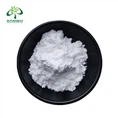
The human digestive and nervous systems are intricately connected, often communicating in ways that manifest both physical and emotional distress. When gastrointestinal function is disrupted-by nausea, bloating, slowed motility, or even underlying mood disorders-what solutions can simultaneously address both gut and mind? This product is a unique agent designed to bridge this physiological divide, offering dual prokinetic and psychotropic effects through its modulation of dopamine and serotonin receptors. In this discussion, we will explore its mechanism of action, therapeutic applications, and safety profile, particularly regarding renal function.
What Is Levosulpiride
Levosulpiride API is an antipsychotic and prokinetic drug belonging to the benzamide class. The L-enantiomer of sulpiride may be more effective than the racemic mixture. It helps treat functional dyspepsia, gastroesophageal reflux disease (GERD), and relieves gastrointestinal nausea and vomiting. It can also treat depression, especially depression with somatic symptoms, alleviate psychotic disorders, and may be used to prevent vertigo and migraines. Compared to other antipsychotics, it has a lower risk of adverse reactions and dual effects on the central nervous system and the gastrointestinal tract.If you're interested in levosulpiride, please don't hesitate to contact Xi'an Sonwu for our sincere service.

What Is The Mechanism Of Action Of Levosulpiride
This product is a multifaceted pharmacological agent whose therapeutic effects stem from its dual targeting of key neurotransmitter receptors. Its primary mechanism of action is selective antagonism of dopamine D2 receptors and agonism of serotonin 5-HT4 receptors. Antagonism of dopamine D2 receptors is the basis of its efficacy. This blockade of the brain's chemoreceptor trigger zone (CTZ) produces a potent antiemetic effect by blocking dopamine-induced nausea and vomiting signals. Simultaneously, in the gastrointestinal tract, inhibition of D2 receptors eliminates dopamine's inhibitory effects on smooth muscle, directly enhancing gastric motility and emptying, resulting in a potent prokinetic effect.
Furthermore, the drug stimulates serotonin 5-HT4 receptors in the enteric nervous system, further enhancing its prokinetic effect. By stimulating these receptors, Levosulpiride promotes the release of acetylcholine, the primary neurotransmitter that stimulates intestinal muscle contractions. This can coordinately accelerate gastrointestinal transit, improve gastric emptying, and alleviate symptoms such as bloating and premature satiety. Beyond these primary effects, the drug also exerts several other significant effects. Its effects on brain dopamine also influence other neurochemical pathways, resulting in neuromodulatory effects, which underpin its use in the treatment of certain psychiatric disorders, such as depression and anxiety. Furthermore, by blocking dopamine's tonic inhibitory effects on the pituitary gland, It can increase prolactin secretion, an effect that can be used to promote lactation.
It is also believed to have gastroprotective properties, possibly by strengthening the stomach's natural defense barrier through stimulation of gastric mucus secretion and enhancement of mucosal blood flow. This ingenious combination of suppressing inhibitory dopamine signaling while enhancing stimulatory serotonin and acetylcholine activity makes levosulpiride uniquely effective in treating a range of conditions, including functional dyspepsia, gastroesophageal reflux disease (GERD), and nausea, and also offers promising applications in psychiatry and neurology.

What Is The Difference Between Levosulpiride And Pantoprazole
Levosulpiride and pantoprazole are pharmacologically distinct drugs with distinct therapeutic targets and clinical applications. Levosulpiride belongs to the benzamide class and exhibits both antipsychotic and gastrointestinal prokinetic properties. Its mechanisms of action include antagonism of dopamine D2 receptors and agonism of serotonin 5-HT4 receptors. This dual action enables it to enhance gastric motility, alleviate symptoms like nausea and vomiting, and act on the central nervous system, making it helpful in treating functional dyspepsia, gastroesophageal reflux disease (GERD), certain psychiatric disorders like depression and psychosis, and even for preventing neurological disorders like vertigo and migraines.
In contrast, pantoprazole is a proton pump inhibitor (PPI) that specifically inhibits gastric acid secretion by irreversibly inhibiting the hydrogen/potassium adenosine triphosphatase (H⁺/K⁺ ATPase) system in the gastric wall. By inhibiting gastric acid secretion, it is highly effective in treating acid-related conditions such as gastroesophageal reflux disease (GERD), peptic ulcers, and erosive esophagitis. It is also used to prevent ulcers caused by nonsteroidal anti-inflammatory drugs (NSAIDs). Its effects are primarily limited to the digestive system and have no direct impact on neurotransmitter systems.
The key differences between the two lie in their mechanism of action, scope of action, and indications: Levosulpiride has both central and peripheral effects, providing a wider range of applications, including neurological and psychiatric disorders; On the other hand, pantoprazole is made expressly to reduce the creation of acid in the gastrointestinal system. Furthermore, their side effects differ significantly; levosulpiride may cause extrapyramidal symptoms and hyperprolactinemia due to its dopamine antagonist effects, while pantoprazole is typically associated with milder acid suppression-related problems, such as vitamin deficiencies or gastrointestinal infections.

Is Levosulpiride Safe For The Kidneys
Levosulpiride, when used as directed, is generally considered safe for the kidneys. However, some considerations regarding its renal safety include the need for dosage modifications in patients with compromised renal function to prevent drug accumulation. It is advised that renal function be regularly monitored, particularly for patients receiving long-term treatment or those who already have kidney disease. This risk is generally low, but should be considered. Interactions with other medications that affect kidney function may occur; therefore, it is essential to consult your healthcare provider about all medicines you are taking.
Additionally, due to age-related changes in renal function, Older folks can be more vulnerable to negative consequences, including those affecting the kidneys. It is essential to remember that staying well-hydrated while taking any medication helps maintain kidney health. Before beginning or changing any medication regimen, consult your physician, especially if renal safety concerns you or if you already have kidney illness.
For inquiries about levosulpiride API pricing, interest in Xi'an Sonwu, or other product-related questions, please get in touch with Xi'an Sonwu directly.
Email: sales@sonwu.com