




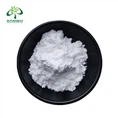
Dexketoprofen powder, also called S Ketoprofen powder, is a pharmaceutical preparation of the active ingredient dexketoprofen, which belongs to the category of nonsteroidal anti-inflammatory drugs (NSAIDs). It is the active enantiomer of ketoprofen and is known for its potent analgesic (pain relief), anti-inflammatory, and antipyretic (fever-reducing) properties. It is often favored due to its higher potency and fewer side effects. It is primarily used to relieve pain and inflammation associated with various conditions, including musculoskeletal disorders (such as arthritis and back pain), postoperative pain, menstrual cramps, dental pain, and sports injuries. Its dosage depends on factors such as individual condition, age, and response to treatment. Usually taken orally, either with or without food, as prescribed by a medical practitioner. It is contraindicated in individuals with a history of hypersensitivity to NSAIDs, asthma attacks, gastrointestinal bleeding, severe renal insufficiency, or peptic ulcer disease. Use with caution in people with a history of gastrointestinal disease, renal insufficiency, cardiovascular disease or who are taking other medications that may interact with NSAIDs.

Dexketoprofen Mechanism Of Action
It is a nonsteroidal anti-inflammatory drug (NSAID) used primarily for its analgesic (pain-relieving), anti-inflammatory, and antipyretic (fever-reducing) properties. Its mechanism of action is similar to other NSAIDs and involves inhibiting cyclooxygenase (COX) enzymes, particularly COX-1 and COX-2.
Here's a breakdown of its mechanism of action:
1. Inhibition of COX Enzymes: It inhibits the activity of both COX-1 and COX-2 enzymes. Prostaglandins are lipid signaling molecules that are involved in inflammation, pain perception, and fever response. These enzymes transform arachidonic acid into prostaglandins.
2. Reduction of Prostaglandin Synthesis: By inhibiting COX enzymes, it decreases the synthesis of prostaglandins from arachidonic acid. Prostaglandins mediate inflammation, sensitize pain receptors (nociceptors), and induce fever. It helps alleviate pain, inflammation, and fever by reducing prostaglandin levels.

3. Anti-inflammatory Effects: Its inhibition of COX enzymes leads to decreased production of pro-inflammatory prostaglandins. This reduces inflammation at the site of tissue injury or inflammation, relieving symptoms such as swelling, redness, and heat.
4. Analgesic Effects: By inhibiting prostaglandin synthesis and reducing inflammation, it helps alleviate pain associated with various conditions, including musculoskeletal pain, postoperative pain, and menstrual cramps.
5. Antipyretic Effects: Prostaglandins also play a role in regulating body temperature, particularly during fever. By inhibiting prostaglandin synthesis, it helps reduce fever by lowering the set-point temperature in the brain's hypothalamus.
It's important to note that dexketoprofen, like other NSAIDs, can have side effects, including gastrointestinal irritation, ulcers, renal impairment, and cardiovascular effects. These side effects are primarily attributed to the inhibition of COX-1, which is constitutively expressed in the gastrointestinal tract and involved in maintaining gastric mucosal integrity and renal blood flow. It should therefore be taken cautiously and under a doctor's supervision, especially in people who have a history of gastrointestinal issues, renal impairment, or cardiovascular illness.
How Fast Does Dexketoprofen Work
Dextketoprofen's start of action might differ based on a number of variables, such as the dosage type (e.g., oral tablets, capsules, or powder), personal traits like metabolism and absorption rate, and the particular ailment being treated.

Usually, when taken orally, it is quickly absorbed, reaching peak plasma concentrations in one to two hours. However, the onset of pain relief may occur sooner, often within 30 minutes to 1 hour after taking the medication, especially for acute pain conditions.
It's important to note that while it may provide rapid relief of symptoms, its duration of action can vary. A single dose's effects usually last for four to six hours, though this can vary from person to person and according on how serious the ailment is.
For some conditions, such as chronic pain or inflammation, it may need to be taken regularly over several days to achieve optimal therapeutic effects. In these cases, the full benefits of it may not be realized immediately, and it may take time for symptoms to improve.
It's essential to follow the dosing instructions a healthcare professional provides and use it only as directed.
Is Dexketoprofen Stronger Than Ibuprofen
Yes, dexketoprofen is generally considered more potent than ibuprofen in terms of potency. It is the active enantiomer of ketoprofen, specifically the S(+) enantiomer, while ibuprofen is a racemic mixture containing both S(+) and R(-) enantiomers.
Studies have shown that it has greater analgesic potency compared to ibuprofen. This means that it may provide similar pain relief at lower doses than ibuprofen. Moreover, pain relief from dexketoprofen is frequently seen 30 to 1 hour after treatment due to its comparatively quick onset of action.

The effectiveness of ibuprofen or dexketoprofen for a particular patient can vary depending on a number of factors, including the kind of condition being treated, the severity of signs, and individual differences in metabolism and tolerance. It's important to keep in mind, though, that each person responds differently to medications.
As with any medication, it's essential to use dexketoprofen or ibuprofen as directed by a healthcare professional and to follow recommended dosage guidelines.
If you want to know the dexketoprofen manufacturer, you can contact Xi'an Sonwu. Click the email, and then you get high-quality S Ketoprofen powder.
Email: sales@sonwu.com