




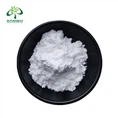
What Is Acetyl Hexapeptide-38
Acetyl Hexapeptide-38 powder is a bioactive cosmetic peptide ingredient widely researched for its potential applications in modern anti-aging skincare formulations. As a synthetic hexapeptide, it is designed to support improved skin appearance by influencing biological pathways related to facial volume, skin texture, and visible signs of aging.
Unlike traditional moisturizing ingredients that mainly work on the skin surface, peptides such as Acetyl Hexapeptide-38 are designed to interact with specific cellular signaling pathways. This makes them an important category of active ingredients for cosmetic research, especially in products targeting mature skin, fine lines, and loss of skin firmness.
The peptide structure of Acetyl Hexapeptide-38 contains six amino acids, with an acetyl modification at the N-terminal end. This structural modification can improve peptide stability and compatibility with cosmetic formulations, allowing it to be incorporated into various skincare products, including serums, creams, and specialized anti-aging formulations.
It is primarily used as a cosmetic ingredient, not a medical treatment. It is not a neurotoxin, filler, or replacement for professional aesthetic procedures. Instead, it is designed to gradually improve skin appearance through regular topical application.

What Are the Benefits of Acetyl Hexapeptide-38 in Skincare?
The popularity of Acetyl Hexapeptide-38 in cosmetic research is closely related to the growing demand for innovative peptide-based anti-aging ingredients. Its potential benefits focus mainly on improving the visible characteristics of aging skin.
1. Helps Improve the Appearance of Facial Volume and Skin Contours
One unique feature of it is its association with facial volume-related skincare research. Aging skin often changes in appearance because of reduced firmness, altered fat distribution, and decreased structural support.
Research on this peptide suggests it may influence pathways involved in adipocyte activity, particularly by regulating PGC-1α (Peroxisome proliferator-activated receptor gamma coactivator 1-alpha), a protein involved in cellular energy metabolism and fat tissue function.
By supporting these biological processes, it is studied for its ability to improve the youthful appearance of areas where skin may appear thinner or less defined.
2. Supports a Smoother and More Refined Skin Texture
Fine lines and uneven skin texture are common concerns in aging skincare. Cosmetic formulations often include peptide-based ingredients because they can support skin quality through targeted signaling mechanisms.
With consistent use in skincare products, Acetyl Hexapeptide-38 may help improve the overall appearance of fine lines, making the skin look smoother and more refreshed.
3. Complements Anti-Aging Skincare Formulations
Modern anti-aging products often combine multiple active ingredients to address different aspects of skin aging. Acetyl Hexapeptide-38 can be combined with ingredients such as hyaluronic acid, antioxidants, collagen-supporting peptides, and botanical extracts to create comprehensive skincare solutions.
Its compatibility with other cosmetic ingredients makes it valuable for brands developing advanced anti-aging formulas.
4. Suitable for Innovative Cosmetic Research
The increasing interest in peptide technology has encouraged cosmetic manufacturers to explore new active ingredients with targeted functions. Acetyl Hexapeptide-38 represents one example of how peptide science is expanding beyond traditional moisturizing and barrier-supporting approaches.

How Does Acetyl Hexapeptide-38 Work in Cosmetic Applications
The mechanism of Acetyl Hexapeptide-38 differs from peptides that primarily target collagen synthesis or skin barrier repair. Current cosmetic research focuses mainly on its role in regulating cellular communication pathways associated with facial appearance.
One important research area involves the peptide's influence on PGC-1α-related signaling. PGC-1α plays a significant role in cellular metabolism and mitochondrial activity. In cosmetic science, researchers investigate this pathway because of its potential link to adipose tissue function and facial volume maintenance.
Through this type of signaling activity, it is believed to support changes in the appearance of facial contours and skin fullness rather than directly acting as a muscle relaxant.
This mechanism distinguishes Acetyl Hexapeptide-38 from other popular cosmetic peptides. For example, some peptides are mainly researched for supporting collagen-related pathways, while others focus on reducing the appearance of expression lines through different signaling mechanisms.
Because cosmetic peptides work gradually, results usually depend on formulation quality, concentration, skin condition, and consistent application.

Why Is Acetyl Hexapeptide-38 Important for Cosmetic Ingredient Development
The global skincare industry continues to shift toward science-based formulations, with consumers increasingly seeking products with advanced active ingredients. Peptides have become a major research category because they offer targeted approaches for improving visible skin aging concerns.
For cosmetic manufacturers and research companies, high-quality it is an important raw material for developing innovative skincare products. Reliable peptide ingredients require strict quality control, accurate identification, purity testing, and professional documentation to ensure formulation consistency.
Companies developing anti-aging serums, facial creams, and advanced cosmetic products often evaluate peptide raw materials based on purity, stability, formulation compatibility, and supplier reliability.
If you would like to learn more about Acetyl Hexapeptide-38 powder, are interested in Xi'an Songwu Company, or have other product-related inquiries, please feel free to contact Xi'an Sonwu Company.
Email:sales@sonwu.com