




What Type Of Drug Is Fulvestrant
Fulvestrant powder, also known as Faslodex or Fulzos, is a drug used to treat certain types of breast disease. It is an endocrine therapy that is classified as a selective estrogen receptor degrader (SERD). It is frequently used to treat advanced or metastatic breast illness that is hormone receptor-positive, human epidermal growth factor receptor 2-negative, and has a distinct and powerful mode of action. It attaches itself to the receptors for the hormone estrogen on ill cells, preventing the growth-promoting actions of this hormone on breast cancerous cells. Unlike other endocrine therapies, such as selective estrogen receptor modulators (SERMs), such as tamoxifen, it blocks the receptors and causes them to degrade, effectively reducing the number of estrogen receptors available to bind.
It is commonly used to treat HR+/HER2- type advanced or metastatic breast disease, especially those who are resistant to or ineffective against aromatase inhibitors (such as anastrozole, letrozole) or other anti-estrogen drugs (such as tamoxifen). It has shown promising efficacy as a monotherapy for postmenopausal women who have received other endocrine therapies but have disease progression. It can also be combined with other targeted therapies, such as CDK4/6 or PI3K inhibitors. This combination therapy has significant advantages in delaying disease progression and prolonging progression-free survival. If you are interested in this product, please get in touch with Xi'an Songwu. Xi'an Songwu can supply phenibut nootropics for a long time.
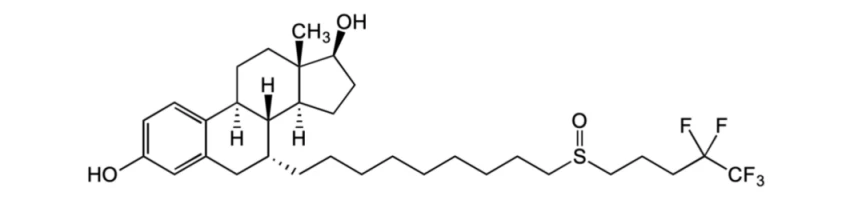
Fulvestrant VS Letrozole
They are both endocrine (hormone) therapies used to treat hormone receptor-positive (HR+) breast cancer, but they differ in their mechanisms of action, clinical uses, and side effect profiles.
1. Mechanism of Action
Fulzos
This compound is a selective estrogen receptor degrader (SERD). It binds to estrogen receptors (ERs) on diseased cells, preventing estrogen from binding and activating the receptors. In addition, it promotes the degradation of the estrogen receptors themselves, effectively reducing the number of receptors to which estrogen can bind. This dual mechanism blocks and reduces estrogen signaling in breast-diseased cells, decreasing diseased cell growth.
Letrozole
An aromatase inhibitor (AI) is letrozole. It blocks the aromatase enzyme, which in postmenopausal women changes androgens (hormones made by the adrenal glands) into estrogens. Letrozole lowers the amount of estrogen available to encourage the growth of HR+ breast-diseased cells by lowering estrogen levels in the body.
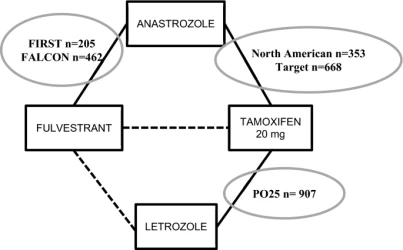
2. Indications and Uses
Fulzos
It is typically used in postmenopausal women with advanced or metastatic HR+ breast disease. It is generally utilized when other endocrine medications, including tamoxifen or aromatase inhibitors, are ineffective in treating the condition. It can be used as monotherapy or combined with other targeted therapies, such as CDK4/6 or PI3K inhibitors, to improve outcomes.
Letrozole
They are used as adjuvant therapy (post-surgery) to lower the incidence of recurrence of early-stage HR+ breast disease in postmenopausal women. It is also used for advanced or metastatic HR+ breast disease. It is often used with other drugs, such as CDK4/6 or mTOR inhibitors, to enhance efficacy.
3. Resistance and Sequential Therapy
Fulzos
When resistance develops, it can be used after letrozole or other aromatase inhibitors, as it offers a different mechanism of action that can overcome resistance to AI therapy.
Letrozole
They are often used as first-line therapy. Resistance can develop over time, and once progression occurs, treatment can be switched to fulvestrant or combined with other targeted therapies.
What Is The Effect Of Fulvestrant
1. Clinical efficacy
Clinical studies have shown that it can prolong the progression-free survival (PFS) of patients with advanced HR+ breast lesions. Mainly, when used in combination with other targeted therapy drugs, it can significantly increase PFS, allowing patients to survive longer without the need to change treatment. In some studies, fulvestrant, especially at a higher dose of 500 mg, has shown the effect of improving overall survival (OS) in specific patient populations. Compared to a single endocrine treatment, the patient's survival was further extended by combination therapy with CDK4/6 inhibitors.
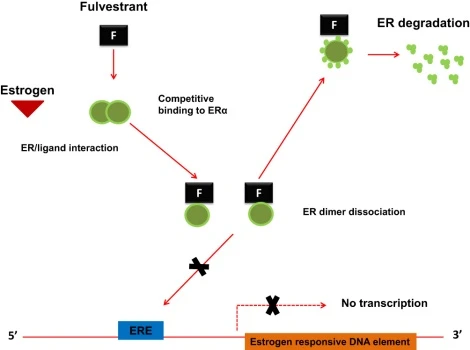
2. Overcoming endocrine therapy resistance
It is often used after the failure of aromatase inhibitors, such as letrozole and anastrozole, or SERMs, such as tamoxifen. It is very effective for patients who have become resistant to these treatments because it provides a different treatment approach through a different mechanism of action (degrading estrogen receptors rather than just blocking receptors).
3. Impact on quality of life
It can help maintain or improve patients' quality of life by effectively controlling the progression of HR+ breast disease. Symptoms associated with disease progression (such as pain, fatigue, and loss of appetite) are generally less common in patients taking it than in patients progressing on other treatments.
What Foods Should You Avoid When Taking Fulvestrant
1. Avoid grapefruit and grapefruit juice
While grapefruit does not significantly affect fulvestrant, many other drugs combined with it may interact with grapefruit. Grapefruit and its juice can inhibit certain enzymes in the liver (CYP3A4), which can affect the metabolism of these drugs, potentially leading to side effects or increased toxicity.
2. Limit alcohol intake
If you take medications like fulvestrant, which the liver must process, drinking alcohol can increase your chance of developing liver problems. In addition, alcohol can exacerbate common side effects such as nausea, hot flashes, and fatigue. Therefore, it is recommended to limit or avoid alcohol during treatment with it.
3. Avoid foods high in saturated and trans fats
Specific medical treatments can affect cholesterol levels or increase the risk of cardiovascular disease. It is recommended to avoid items like fried foods, processed snacks, fatty meats, and some baked goods high in saturated and trans fats. Instead, focus on healthy fats from olive oil, nuts, seeds, and avocados.
4. Be cautious with herbal supplements and green tea
Certain herbal supplements and even foods such as green tea may interact with liver enzymes involved in drug metabolism. For example, St. John's wort, a popular mood supplement, is known to affect liver enzymes and may interfere with the effectiveness of medications.

Foods to Consume While Taking Fulvestrant
High-fiber foods: Constipation, which can occasionally result from cancer therapy, is one of the digestive side effects that whole grains, fruits, vegetables, and legumes might help alleviate.
Lean protein: Chicken, turkey, fish, beans, and tofu provide essential nutrients without excess fat, supporting muscle mass and overall strength.
Anti-inflammatory foods: Foods high in omega-3 fatty acids and antioxidants, such as berries, leafy greens, nuts, and fatty fish, can boost the immune system and help control inflammation.
Hydration: Adequate water intake is essential to help flush out toxins and manage side effects like fatigue or nausea.
If you want to know about the fulvestrant powder price, are interested in Xi'an Sonwu, or have other questions about the product, do not hesitate to contact Xi'an Sonwu.
Email: sales@sonwu.com