




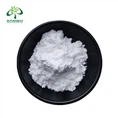
What Is The Difference Between Raloxifene And Raloxifene Hydrochloride
Raloxifene hydrochloride powder is the salt form of raloxifene, in which raloxifene is combined with hydrochloric acid to form raloxifene hydrochloride. Raloxifene is the active ingredient or primary form of the drug, a molecule with pharmacological activity that plays the central therapeutic role. The hydrochloride form is more stable and more easily absorbed by the body. The drug is usually present in the hydrochloric acid form in drug preparations because the salt form can improve the solubility and stability of the drug, thereby enhancing its bioavailability in the body. In clinical and pharmaceutical applications, drug packaging and prescriptions are usually marked as raloxifene hydrochloride because this is the actual form of raloxifene in drug preparations. Raloxifene works in the body as a drug ingredient, but it is usually prepared and administered as raloxifene hydrochloride.
One drug that is a member of the selective estrogen receptor modulators drug class is it. Anti-estrogen drugs mainly inhibit the synthesis of estrogen in female ovaries. They can be divided into two clinical categories: selective estrogen receptor modulators and estrogen synthesis inhibitors. Raloxifene hydrochloride tablets are sex hormones and regulators of the reproductive system. After binding to estrogen receptors on the breast and uterus, they can regulate estrogen in the body. They can be used to prevent osteoporosis in postmenopausal women and play an anti-estrogen role. It is mainly used to prevent and treat osteoporosis in postmenopausal women, can significantly reduce the incidence of vertebral fractures, and simulate the role of estrogen in the body, especially having a positive effect on the skeletal system. This drug helps prevent osteoporosis by increasing bone density and reducing the risk of fractures. In addition, it is also used for the treatment and prevention of breast diseases. In some instances, doctors may recommend the use of raloxifene Hcl to reduce the risk of breast disease or as an adjuvant treatment for breast disease. If you are interested in this product, please get in touch with Xi'an Sonwu. Xi'an Sonwu can supply phenibut nootropics for a long time.

Raloxifene Hydrochloride Mechanism Of Action
The mechanism of action of raloxifene hydrochloride is related to the role of estrogen in the body, but it is different from the mode of action of estrogen. It acts in various tissues in a tissue-specific manner by binding to estrogen receptors. Depending on the other tissues of action, raloxifene hydrochloride exhibits agonist or antagonist effects.
In bone tissue, it, as an estrogen agonist, binds to estrogen receptors, mimics the effects of estrogen, promotes bone formation, and reduces bone resorption, thereby increasing bone density and preventing and treating osteoporosis. It can improve lipid metabolism, lower cholesterol and low-density lipoprotein (LDL) cholesterol levels, and benefit cardiovascular health. In breast tissue, raloxifene hydrochloride, as an estrogen antagonist, blocks estrogen receptors, thereby inhibiting the proliferative effect of estrogen on breast tissue and reducing the risk of breast lesions. Raloxifene Hcl also functions as an antagonist in the endometrium, preventing the endometrium's activation by estrogen and lowering the risk of endometrial hyperplasia and lesions. By exerting an estrogen agonist effect on bones, it increases bone density and reduces the risk of fractures, especially vertebral fractures. By exerting an antagonist effect in breast tissue, raloxifene hydrochloride minimizes the risk of invasive breast disease in high-risk postmenopausal women.

Long-term Side Effects Of Raloxifene
Common Side Effects
Hot flashes are a common side effect, and patients may feel sudden warmth and sweating.
Some patients may experience leg muscle cramps or spasms.
Some patients experience edema, especially in the lower extremities, which may cause swelling of the legs or ankles.
Some patients experience flu-like symptoms, including fatigue, fever, headache, and general malaise.
Patients may experience pain or discomfort in the joints.
Serious Side Effects
Venous thromboembolic disease
Venous thromboembolic disease comprises pulmonary embolism (PE) and deep vein thrombosis (DVT). These are the most severe side effects and can be life-threatening. Patients should be alert to symptoms such as leg pain, swelling, redness, shortness of breath, and chest pain.
Cardiovascular disease
It may increase the risk of stroke, especially in women with a history of cardiovascular disease.
Allergic reactions
Rarely, but some people may get severe side effects from the drug, such as breathing problems, extreme lightheadedness, rash, itching, and facial or throat swelling.
Other side effects
Include nausea, vomiting, and abdominal pain.
A few patients may experience blurred vision or other vision problems.

Raloxifene Uses
Dosage
A daily dosage of 60 mg is advised.
With other medications and supplements
Calcium and vitamin D
To enhance bone health, patients should consider supplementing with calcium and vitamin D. Taking 1200 mg of calcium and 800-1000 international units (IU) of vitamin D is generally advised daily. Raloxifene Hcl combined with calcium and vitamin D can prevent and treat osteoporosis more effectively.
Anticoagulants
Raloxifene Hcl may increase the risk of venous thromboembolic disease, so caution is required when combined with anticoagulants (such as warfarin). If anticoagulants must be used simultaneously, coagulation function should be closely monitored, and the dose should be adjusted according to the doctor's guidance.

If you want to know the price of raloxifene hydrochloride, are interested in Xi'an Sonwu, or have other questions about the product, do not hesitate to contact Xi'an Sonwu.
Email: sales@sonwu.com