




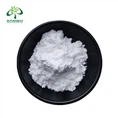
What Is The L-Histidine Base
L-Histidine Base Power refers to the product in its basic (unprotonated) form. It is a necessary amino acid with a key role in various physiological functions, including protein synthesis, enzyme catalysis, and immune function. Proteins are composed of 20 amino acids, including this one, and it has an imidazole side chain that can interact with metals, proteins, and enzymes. If you are interested in L-Histidine Base, please feel free to contact Xi'an Sonwu.
Here's a breakdown of the concept:
1. Amino Acids and Their Forms:
It, like many amino acids, can exist in several forms that vary according to the pH of the environment.
At neutral pH (around 7), it typically exists as a zwitterion (a molecule with both a positive and a negative charge).
In a basic environment (high pH), the imidazole ring of histidine can lose a proton (H⁺), and the molecule is in its basic form, meaning it has a neutral or negative charge at the imidazole site.
2. Role in Biochemistry:
It is particularly important due to the imidazole group, which can act as a proton donor or acceptor. This ability makes histidine crucial in enzyme-active sites, where it participates in many biochemical reactions.
It is also involved in buffering pH in the body, especially in the blood, as the imidazole group can accept or donate a proton depending on the surrounding pH.

3. L-histidine Base vs. L-histidine Acid:
L-histidine acid refers to its protonated form, typically found in acidic environments.
L-histidine base refers to the deprotonated form, typically found in basic or alkaline environments.
4. Use in Supplements and Medicine:
It is often used in amino acid supplements and has potential therapeutic benefits for conditions like anemia and allergy treatment.
It also plays a significant role in the production of histamine, which is involved in allergic reactions and immune responses.
In summary:
It is the form of it where the imidazole group has lost a proton, making the amino acid exist in a more alkaline or basic form. It plays crucial roles in enzymatic functions, pH buffering, and the immune system.
What Foods Are High In L-histidine
It is an essential amino acid that must be obtained from the diet since the body cannot produce it on its own. Many protein-rich foods are excellent sources of the product, as it is a naturally occurring amino acid found in animal and plant-based proteins. Here are some foods that are particularly high in it:
1. Animal-Based Sources:
Meat (especially poultry and beef):
Excellent sources of it are beef, hog, turkey, and chicken.
These meats are rich in complete proteins, containing all essential amino acids, including histidine.
2. Fish and Seafood:
Salmon, tuna, trout, cod, and shellfish like shrimp and crab contain significant amounts of it.
Dairy Products:
Milk, cheese (especially hard cheeses), and yogurt are good sources of it. They provide protein along with other essential nutrients.
Eggs:
Eggs, especially egg whites, are rich in high-quality proteins that include it.
3. Plant-Based Sources:
Legumes:
Beans (like kidney beans, black beans, and chickpeas), lentils, and peas are plant-based sources of it.

Nuts and Seeds:
Sunflower seeds, sesame seeds, pumpkin seeds, and almonds contain moderate amounts of histidine.
Whole Grains:
Quinoa, rice, wheat, barley, and oats have small amounts of it. While not as rich as animal proteins, they still provide a valuable source, especially when combined with other protein-rich plant foods.
Tofu and Tempeh:
Tofu and tempeh made from soybeans are great sources of it for vegetarians and vegans.
Spinach:
While not a major source, spinach and other leafy greens contain small amounts of it, contributing to a varied diet.
4. Other Sources:
Gelatin and collagen-based products (such as bone broth) can provide histidine as well.
Summary of High it Foods:
Animal-based: Meat, fish, dairy, eggs
Plant-based: Legumes, seeds, nuts, whole grains, tofu/tempeh, leafy greens
Including a variety of these foods in your diet will help ensure you get enough to meet your nutritional needs.
What Is The Difference Between Histidine And L-histidine
The terms histidine and L-histidine are often used interchangeably, but they refer to different concepts depending on the context. Here's a breakdown of their differences:
1. Histidine (General Term)
- Histidine refers to the amino acid itself, specifically the non-stereoisomeric form of the molecule.
- Because it is a necessary amino acid, the body cannot synthesize it and must obtain it from food sources.
- Histidine can exist in several forms, including L-histidine, and may refer to both its L-form (the biologically active form) and its D-form (which is typically less common and biologically inactive in humans).
2. L-Histidine (Specific Form)
- it refers specifically to the L-isomer (the left-handed version) of histidine. This is the biologically active form used in protein synthesis and is the form most commonly found in nature.
- it is the form of histidine that is incorporated into proteins in the human body and is essential for several physiological processes, including enzyme catalysis, buffering, and immune system regulation.
- The L designation indicates the specific molecular orientation of the amino acid in a chiral environment, making it the form that is most relevant in human biochemistry.
Key Differences:
- Histidine is a general term for the amino acid, while it refers to the biologically active L-enantiomer of histidine that participates in the majority of physiological processes.
- The term specifically denotes the amino acid in its active and natural form used in proteins, whereas histidine could theoretically refer to other isomers as well.
Summary:
- Histidine is a broad term that can refer to the amino acid in general.
- it is the specific, biologically active L-isomer of histidine, which is the form found in proteins and utilized by the body.
If you want to know the L-Histidine Base Powder price, are interested in Xi'an Sonwu, or have other questions about the product, do not hesitate to contact Xi'an Sonwu.