




What Is The Chemical Formula For Tetrahydrocurcumin
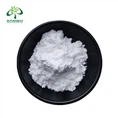
Tetrahydrocurcuminoids powder is produced by hydrogenating curcumin extracted from the rhizome of the ginger plant Curcuma longa, a naturally occurring useful raw material. Tetrahydrocurcumin has fewer unsaturated C=C double bonds than curcumin in structure, so it lacks the conjugated double bonds required for the chromophore. Therefore, in terms of appearance, tetrahydrocurcumin changes from the deep yellow color of curcumin. Into light yellow to white powder. Because of the unsaturated C=C double bonds, if curcumin is stored for a long time or is heated during the production of skin care products, the C=C double bonds may be forcibly oxidized or broken by high temperatures, which directly affects the efficacy of curcumin.
Tetrahydrocurcumin is known for its antioxidant and anti-inflammatory properties and is commonly used in pharmaceutical and cosmetic applications. As a whitening raw material, it has substantial activity in inhibiting tyrosinase. The whitening effect is better than that of the well-known arbutin. It can scavenge newly produced free radicals and effectively prevent the production of oxygen free radicals. It has an apparent anti-oxidation effect—oxidation, inhibiting melanin, repairing and removing spots, anti-inflammatory activity, blocking inflammatory processes, etc. In addition, the inhibition of free radicals, various inflammatory factors, lip oxygen and enzymes, collagenase, and hyaluronidase reflect the potential anti-aging effect of tetrahydrocurcumin.

Tetrahydrocurcumin Benefits Skin
1. Whitening
1) Inhibit tyrosinase activity
Tetrahydrocurcumin can reduce the intracellular tyrosinase activity of B16F10 cells in the dose group of 100 and 200 μmol·L -1. The intracellular tyrosinase activity decreases when the cells are given corresponding concentrations of tetrahydrocurcumin (100 and 200 μmol·L -1). The amino acid enzyme activities dropped to 84. 51% and 83. 38%, respectively, and the difference was significantly reduced compared with the blank control group.
2) Prevent excessive pigmentation deposition
It can lower the melanin concentration in B16F10 cells, prevent melanin formation, and hinder the migration and proliferation of B16F10 (mouse melanoma cells). The melanin content of the cells decreased from 100% to 74. 34%, 80. 14%, 34. 37%, and 21. 40%, respectively, when equivalent quantities of THC (25, 50, 100, and 200 μmol·L -1) were added. This difference was statistically significant compared to the blank control group (P ≜ 0. 05 or P ≜ 0. 01).
2. Resist UV damage
Photographs of the dorsal skin of KM mice after ten weeks of THC treatment and UVA irradiation. The Bissett score evaluated different groups with equivalent UVA flux radiation on photoaging. Values presented are means ± standard deviations (N = 12/group). The results showed that ten weeks after ultraviolet irradiation, the back skin of mice showed apparent signs of thickening, hardening, wrinkles, and severe scabbing. The skin of the THC group was delicate, and compared with the UV group, there was no redness, swelling, or scabbing. After five weeks, the Bissett skin score was significantly lower in the THC group than in the UV group (P < 0.01). These results indicate that THC normalizes photoaging in mice and provides good protection against UV damage.

3. Antioxidant
1) Scavenge DPPH free radicals
Dilute the tetrahydrocurcumin solution 10, 50, 80, 100, 200, 400, 800, 1600 times in sequence so that the sample solution and 0.1mmol/L DPPH solution are thoroughly mixed in a ratio of 1:5 and react at room temperature. After 30 minutes, measure the absorbance value at 517nm. Experiments have proven that tetrahydrocurcumin has a particular ability to scavenge DPPH free radicals and exhibits antioxidant capabilities.
2) Total antioxidant capacity
The reducing ability of tetrahydrocurcumin to Fe3+ increases with the increase in concentration. When the concentration reaches ten μmol/L, the reducing power of tetrahydrocurcumin to Fe3+ is greater than that of vitamin C at the same attention, and the difference is statistically significant (P < 0. 05).
4. Inhibit skin inflammation
Experimental studies have shown that after 14 consecutive days of continuous observation of wound healing in mice, using THC-SLNs gel, THC and positive control wounds healed faster and with better effects. The descending order is THC-SLNs gel>THC>Positive Contrast.

What Is Tetrahydrocurcumin Used For In Skin Care
Tetrahydrocurcumin is the primary whitening active ingredient in natural turmeric root extract. It not only has the most potent tyrosinase inhibitory activity but also has excellent chemical stability. It also appears as an odorless white powder, thus overcoming the problem of Ordinary turmeric extract being chemically unstable and easily staining the skin. Ordinary turmeric extract is yellow, has poor chemical stability, and is photosensitive. Under light, it quickly reacts chemically with the skin and stains the skin. Therefore, color is an important indicator to measure product quality. The darker the yellow, the less suitable it is for skin care products. The ideal outcome of refined turmeric extract for whitening cosmetics should be white or milky white. High-purity refined turmeric extract has undergone a safety test, and the results indicate that it can safely and effectively perform its natural whitening, lightening, and brightening actions on human skin without causing irritation or sensitization.
(1) Tetrahydrocurcumin can effectively prevent the progression of various inflammations and skin injuries and can effectively avoid mild burns and, surgical wound scars, skin inflammation, and acne scar marks.
(2) Tetrahydrocurcumin can repair photodamaged skin and effectively combat fine lines, wrinkles, malignant freckles, pigmentation abnormalities, actinic keratosis, psoriasis, and scars.
(3) Reverse or reduce skin damage by inhibiting the process of wear and irritation to the skin.
(4) Tetrahydrocurcumin is currently the most potent and effective anti-aging ingredient.
(5) Tetrahydrocurcumin, as an antioxidant, can effectively neutralize oxygen free radicals.
(6) Tetrahydrocurcumin combined with other antioxidants, vitamins, and minerals can effectively improve the skin texture of photodamaged and hormonally aged skin.
(7) Curcumin is absorbed and converted into tetrahydrocurcumin in the epithelial cells of the human intestine. Tetrahydrocurcumin shows more potent antioxidant activity than curcumin.
Tetrahydrocurcumin typically coexists with other active chemicals in skin care products, such as vitamins C, E, etc. It can be used in various goods, such as masks, body lotions, and facial skin care products.

Is Tetrahydrocurcumin Safe For Skin
Based on available research, Tetrahydrocurcumin is widely thought to have no appreciable adverse effects on the skin. As a derivative of curcumin, it is used in skincare products to provide antioxidant, anti-inflammatory, and whitening benefits. However, some individuals may have allergic reactions or skin sensitivities, so skin sensitivity testing is recommended before using any new skincare product.
Additionally, suppose you have a specific skin concern or disease. In that case, it is best to consult a dermatologist or professional skin care expert to ensure that using tetrahydrocurcumin will not cause adverse effects with the specific condition. Tetrahydrocurcumin is a relatively safe skincare ingredient, but individual differences and specific requirements may affect its suitability.
If you want to know about whitening or cosmetic additive product manufacturers, you can contact Xi'an Sonwu. Click the email, and then you get high-quality raw materials.
Email: sales@sonwu.com