




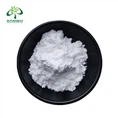
What Is Quinidine
Quinidine powder is a classic antiarrhythmic medication with a rich therapeutic history. Primarily indicated for treating various cardiac arrhythmias, it demonstrates remarkable efficacy in managing atrial fibrillation and ventricular arrhythmias. As a Class Ia antiarrhythmic agent, its mechanism of action involves blocking cardiac sodium channels, which effectively suppresses abnormal electrical impulses in the myocardium. This dual function-slowing down depolarization and prolonging the action potential duration-enables it to restore and maintain a normal sinus rhythm while stabilizing cardiac electrophysiology.
Its historical use as an antimalarial drug, derived from the bark of the cinchona tree, reflects its early use in tropical medicine. Under a doctor's supervision, it is primarily used in modern medicine to treat specific arrhythmias. As this product becomes increasingly well-known, if you would like to learn more, you can contact Xi'an Sonwu at any time, and the company will provide you with a professional response.

What Is The Mechanism Of Action Of Quinidine
Quinidine is a medication mainly used to treat specific kinds of abnormal heartbeats as an antiarrhythmic drug. Here's a comprehensive overview of its mechanism of action:
Simple Explanation.
It works by affecting the electrical signals in the heart, helping to restore normal rhythm.

Detailed Mechanism
Class: It is classified as a Class Ia antiarrhythmic agent in the Vaughan Williams classification system.
Primary Action: This medication blocks fast inward sodium (Na⁺) channels during the depolarisation phase (phase 0) of the cardiac action potential.
Effects on Cardiac Action Potential:
Slows Phase 0 Depolarisation: By inhibiting Na⁺ channels, it reduces the rate of rise (slope) of phase 0, leading to slowed conduction velocity in the heart.
Prolongs Action Potential Duration: It also blocks certain potassium (K⁺) channels, thus delaying repolarisation (phases 2 and 3). This extends the action potential duration and increases the effective refractory period.
Other Actions:
Anticholinergic activity: The drug has mild anticholinergic effects, which can increase heart rate, especially at higher doses.
Alpha-adrenergic blocking effects: It can cause alpha-blockade-induced vasodilation and moderate hypotension.
Clinical Effect: This medication helps stop aberrant, fast, or re-entrant electrical impulses that lead to arrhythmias
by stabilising cardiac cell membranes and extending refractory periods.
The main idea is that it prevents arrhythmias by inhibiting potassium channels, which prolong repolarisation, and sodium channels, which postpone conduction, leading to a more regular and slower heart rhythm.
What Is Quinidine Used For
It is a drug that is mainly used to treat several types of abnormal heart rhythms (arrhythmias). It is chemically related to quinine but has distinct uses, mainly in cardiology. It is an alkaloid with a chemical structure similar to quinine but with different stereochemistry. As a class IA antiarrhythmic, it prolongs the length of the cardiac tissue's action potential and refractory period, stabilising abnormal electrical activity.

Main Uses of Quinidine
1. Treatment of atrial fibrillation and atrial flutter
It helps restore and maintain normal sinus rhythm by slowing the conduction of electrical impulses in the atria and reducing their excitability. It may also be used to control the ventricular rate in some cases, though other drugs are often preferred for rate control alone.
2. Management of supraventricular tachycardias (SVTs)
This includes paroxysmal supraventricular tachycardias (PSVT), where it can help terminate the arrhythmia or prevent its recurrence by inhibiting abnormal electrical pathways in the heart.
3. Treatment of ventricular arrhythmias
It is occasionally used for life-threatening ventricular arrhythmias, such as ventricular tachycardia or ventricular fibrillation, especially when other antiarrhythmic drugs are ineffective. However, its use for ventricular arrhythmias is less common today due to the availability of newer agents with better safety profiles.
4. Prevention of recurrent arrhythmias
After successfully converting an arrhythmia (e.g., atrial fibrillation) to a sinus rhythm, Quinidine may be prescribed to prevent the arrhythmia from returning.
What Is The Difference Between Quinine And Quinidine
Quinine and Quinidine are closely related alkaloids derived from the cinchona tree bark, but they have distinct chemical structures and clinical uses:
1. Chemical Structure:
Quinine is the enantiomer of Quinidine and belongs to the cinchona alkaloids. Its specific stereochemical structure makes it mainly used as an antimalarial drug.
Quinidine, an optical isomer of quinine with similar chemical composition but different stereochemistry, exhibits distinct pharmacological effects influenced by this structural variation.
2. Pharmacological Use:
Quinine: Mainly used to treat malaria, especially Plasmodium falciparum infections. It has antipyretic and analgesic properties but is used less frequently now due to worries about toxicity.
Quinidine: Mostly used as an antiarrhythmic drug, especially for cardiac arrhythmias of a specific kind. It affects sodium channels in cardiac tissue and functions as a class IA antiarrhythmic drug.

3. Mechanism of Action:
- Quinine: Acts by interfering with the parasite's ability to digest hemoglobin, although in malaria, its precise mechanism is complicated.
Quinidine stabilizes the heart rhythm by blocking sodium channels in cardiac cells.
4. Toxicity and Side Effects:
Both have the potential to induce cinchonism, a syndrome characterised by tinnitus, headaches, and nausea; nevertheless, they also have proarrhythmic side effects, which call for closer monitoring of their use.
If you would like to know the price of quinidine powder, are interested in Xi'an Sonwu, or have other questions about the product, please do not hesitate to contact Xi'an Sonwu.
Email: sales@sonwu.com