




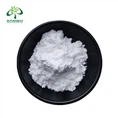
What Are the Skin Benefits of Palmitoyl Tripeptide-8
Palmitoyl Tripeptide-8, is a synthetic lipopeptide used primarily in skincare products targeting sensitive, reactive, or uncomfortable skin. Unlike classic anti-aging ingredients that focus mainly on collagen production or cell turnover, Pit is more closely associated with skin-soothing and modulation of inflammatory responses.
Research has investigated its ability to reduce several responses associated with skin irritation. In laboratory models, the compound reduced IL-8 production in UVB-exposed keratinocytes and in IL-1-stimulated fibroblasts. Studies using skin explants also reported reductions in substance P-associated vasodilation and edema.
These findings help explain why the ingredient is commonly considered for formulations intended to support sensitive skin.
Potential skincare benefits include:
Soothing irritated-looking skin: The peptide may help moderate biological pathways associated with irritation and redness.
Reducing visible redness: Experimental studies have reported reductions in redness-related responses following irritant challenges.
Supporting skin comfort: By influencing neurogenic inflammatory signaling, Palmitoyl Tripeptide-8 may help reduce sensations associated with reactive skin.
Helping manage skin reactivity: It may be useful in formulations designed for skin that responds easily to environmental or cosmetic stressors.
Supporting sensitive-skin formulations: Its main value is not aggressive exfoliation or rapid resurfacing, but helping create a calmer and more balanced skin environment.
Importantly, the available evidence should be interpreted realistically. A scientific review found that evidence for the compound in sensitive-skin applications includes laboratory, supplier-sponsored, and relatively small clinical studies, while large randomized controlled trials remain limited.Therefore, it is more appropriate to describe Palmitoyl Tripeptide-8 as a skin-soothing cosmetic peptide with promising supporting evidence, rather than as a treatment for a medical skin disorder.

How Does Peptide-8 Compare with Retinol?
Palmitoyl Tripeptide-8 and retinol are sometimes discussed together because both appear in modern anti-aging and skin-health formulations. However, they work through very different biological pathways and are not direct substitutes.
Retinol primarily targets skin renewal and retinoid signaling. After conversion through retinoid metabolic pathways, retinol-derived compounds influence retinoic acid receptors and regulate gene transcription. Retinoid activity is associated with changes in epidermal differentiation, collagen production, and matrix metalloproteinase activity, making retinol one of the better-established topical ingredients for photoaging.
Palmitoyl Tripeptide-8 has a different focus. Available research connects it with the modulation of inflammatory and neurogenic skin responses, including pathways involving TRPV1-related signaling and neuropeptides such as substance P.

The comparison between Palmitoyl Tripeptide-8 and retinol highlights their distinct roles in skincare formulations. Palmitoyl Tripeptide-8 primarily focuses on reducing skin reactivity and improving skin comfort by targeting inflammatory and neurogenic pathways, making it particularly suitable for sensitive and easily irritated skin. Retinol, in contrast, promotes skin renewal through retinoid receptor signaling and is widely used to improve signs of aging, uneven texture, and photoaging. Although retinol is supported by more extensive clinical research, it may also increase the risk of dryness and irritation. Palmitoyl Tripeptide-8 is generally considered a gentler ingredient and is often incorporated into formulations designed to support skin tolerance. Rather than competing with each other, these two ingredients fulfill different formulation goals and may even be used together to create more balanced skincare products.
Retinol therefore has a stronger evidence base for traditional photoaging concerns, while Palmitoyl Tripeptide-8 may be more attractive when skin tolerance and soothing properties are important. Retinol can also cause local irritation in some users, although it is generally better tolerated than prescription tretinoin.
For formulators, this difference is important. The question is not necessarily whether peptide-8 is "better" than retinol. Instead, the two ingredients can address different formulation objectives.
What Is the Mechanism of Action of Palmitoyl Tripeptide-8
The mechanism of it is particularly interesting because the peptide is associated with pathways involved in communication between skin cells, inflammatory mediators, and sensory signaling.
The compound is a synthetic peptide ester related structurally to a sequence derived from α-melanocyte-stimulating hormone (α-MSH). Research has proposed that its biological activity involves modulation of melanocortin-related signaling and neurogenic inflammatory pathways.
One important pathway involves TRPV1, a receptor associated with sensory nerve activation and responses to heat or chemical irritation. Research on synthetic peptides used for sensitive skin suggests that it can participate in signaling mechanisms that reduce activation of cutaneous nerve pathways and downstream release of inflammatory neuropeptides such as CGRP.
The ingredient has also been investigated in models involving substance P, a neuropeptide associated with vasodilation, increased vascular permeability, and inflammatory responses. In skin-explant experiments, the compound reduced substance P-induced vascular dilation and edema.
This gives a simplified picture of its proposed activity:
External or internal skin stress → sensory/inflammatory signaling → inflammatory mediators → redness, swelling and discomfort
It is intended to help modulate parts of this signaling process, potentially reducing the intensity of the visible or sensory response.
Its palmitoyl group is also relevant from a formulation perspective. Lipid modification can alter a peptide's physicochemical properties and may support its interaction with the skin environment. More broadly, palmitoylation is widely used in cosmetic peptide design to modify lipophilicity and formulation behavior.For cosmetic ingredient developers, this makes the compound especially relevant to products positioned around sensitive skin, redness-prone skin, barrier-support concepts, and gentle daily skincare.

What Should Formulators Consider
When evaluating Palmitoyl Tripeptide-8 for a cosmetic formulation, ingredient quality is only one part of the equation. Formulators should also consider peptide purity, identity, stability, compatibility with the complete formula, recommended use level, packaging, and supporting analytical documentation.
Because topical peptides can face challenges such as limited skin penetration and enzymatic degradation, formulation design and delivery conditions can strongly influence real-world performance. Current research on cosmetic peptide safety and efficacy also emphasizes the importance of distinguishing laboratory findings from demonstrated clinical benefits.
For companies developing sensitive-skin, anti-aging, or peptide-based skincare products, sourcing high-quality Palmitoyl Tripeptide-8 raw material with appropriate specifications and documentation can therefore be an important step in product development. Businesses interested in the compound, specifications, purity, or formulation-related information can contact a professional cosmetic ingredient supplier such as Xi'an Sonwu Biotech Co., Ltd. for further product and technical details.
If you want to know more about this product, feel free to contact Xi'an Sonwu.
Email: sales@sonwu.com