




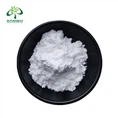
Are you looking for a versatile pharmaceutical excipient that can improve drug solubility and stability? Consider meglumine. This article will explore its uses and its role in veterinary medicine.
What is meglumine
Meglumine powder (chemical name N-methyl-D-glucosamine) is an amino sugar derived from glucose.
Simply put, it's a "helper" molecule used in the pharmaceutical industry to convert poorly soluble drugs into a new form. While rarely used alone as a drug, you'll often see it on the ingredient lists of contrast agents (dyes used in MRI and CT scans) and some prescription medications.
Many effective drug compounds are acidic and poorly soluble in water. If a drug cannot dissolve, it cannot be effectively injected into the bloodstream. Therefore, it is also an organic base. When it is mixed with an acidic drug, the two react to form a meglumine salt. This new "salt" form of the drug is highly water-soluble, stable, and safe. Drugs without meglumine will float in water like sand. Drugs containing meglumine will dissolve completely and be delivered into your body.

It is essential to distinguish between meglumine (the carrier) and the active drug (the drug).
Meglumine itself is generally considered biologically inert and safe. It is slowly metabolized in the body, so it is primarily excreted unchanged. Studies have shown that it is non-toxic even at high doses.
Most of the "side effects" you read about with meglumine are actually side effects of the drugs it carries. For example, if a patient reacts to meglumine antimonate, it's usually a reaction to the heavy metal antimony, not to meglumine itself. Similarly, a horse developing a stomach ulcer after taking flunixin meglumine was caused by flunixin (a nonsteroidal anti-inflammatory drug), not by meglumine. If you are interested in meglumine, please feel free to contact Xi'an Sonwu.
What is the use of meglumine in the pharmaceutical industry
It is primarily used as a pharmaceutical excipient-an "auxiliary" ingredient that helps other active pharmaceutical ingredients (APIs) function effectively. Its specific role depends on whether it is used as a chemical agent in the formulation or as part of a particular drug therapy.
1. "Auxiliary" Role (Chemical Function)
In most pharmaceutical applications, meglumine is used as a solvent and stabilizer. Many active pharmaceutical compounds are acidic and poorly soluble in water, making them difficult to inject into the bloodstream or absorb in the stomach.
Improving Drug Solubility: Meglumine is a fundamental substance. When combined with an acidic drug, it forms a salt (meglumine salt). This conversion makes the drug more soluble in water/blood.
Improving Stability: It helps stabilize sensitive drug compounds, preventing their degradation before use.
For example, you might find it as an inactive ingredient in some commonly used medications, such as certain medications for treating acid reflux or antihistamines, where its role is to adjust pH or improve absorption.
2. Common Medical Applications
Meglumine is most widely known for its use as an ingredient in three specific types of medical products:
A. Contrast agents (MRI and X-rays). If you've had an MRI or CT scan that uses contrast agents, you may have received meglumine-based contrast agents. It safely delivers contrast agents (such as gadolinium or iodine) into the bloodstream so doctors can clearly see your organs.
It's important to note that meglumine itself is not a contrast agent; it's merely a carrier that keeps the metals (gadolinium/iodine) dissolved and stable in the blood.

B. Veterinary analgesics (nonsteroidal anti-inflammatory drugs)
If you are a pet owner or work with horses/livestock, you may know that "meglumine" is a pain reliever. It is a potent nonsteroidal anti-inflammatory drug (NSAID) used to treat pain, fever, and inflammation. It is primarily used in horses, cattle, and pigs (e.g., to treat abdominal pain). Due to safety concerns, it is generally not used in humans, although other meglumine salt NSAIDs are available in some human markets for faster absorption.
C. Treatment of parasitic infections: This is a first-line drug for leishmaniasis, a common tropical parasitic disease (transmitted by sandflies). The compound delivers antimony (a heavy metal) to the parasite, interfering with its energy production and killing it.
Meglumine used in tablets is generally considered safe and has no biological activity. However, when used as a contrast agent or antiparasitic drug, side effects are usually caused by the drug's active ingredient (such as gadolinium or antimony), rather than by glucosamine itself.
What are the uses of meglumine in horses
In equine veterinary medicine, meglumine, usually referring to flunixin meglumine, is a potent nonsteroidal anti-inflammatory drug (NSAID) primarily used for pain relief and fever reduction. Here is a brief overview of its primary uses:

1. Relief of colic: This is its most common indication. It effectively relieves deep visceral pain caused by intestinal bloating, spasms, or obstruction. Due to its significant effects, caution is advised as it may mask symptoms of acute abdominal conditions requiring surgery; therefore, it must be used under veterinary guidance.
2. Ocular inflammation: It is the NSAID of choice for treating intraocular inflammation (such as recurrent equine uveitis, also known as "moon blindness") because its ocular tissue penetration is superior to other analgesics.
3. Fever reduction: It has a good antipyretic effect for high fever caused by respiratory infections or other diseases.
4. Endotoxemia: In severe colitis or intestinal volvulus, endotoxins released by bacteria enter the bloodstream. Flunixin can block the body's dangerous inflammatory response to these toxins.
5. Soft tissue pain: While phenylbutazone is commonly used for bone and joint pain, flunixin is also frequently used to manage soft tissue injuries or general postoperative pain.
It is important to note that, as with all nonsteroidal anti-inflammatory drugs (NSAIDs), improper or prolonged use of flunixin meglumine may carry certain risks.
For inquiries about meglumine powder pricing, interest in Xi'an Sonwu, or other product-related questions, please contact Xi'an Sonwu directly.
Email:sales@sonwu.com
Reference: https://odysseyremodeling.com/what-every-homeowner-should-know-about-roof-inspections/