




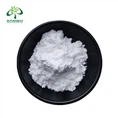
When insufficient growth hormone secretion impacts bodily function, Ipamorelin peptide acts like a precise conductor, gently and specifically reactivating the natural growth hormone pulse without disrupting other hormone balances. Let's delve deeper into its unique value in improving body composition.
What Is Ipamorelin Peptide
Ipamorelin peptide powder is a synthetic pentapeptide that mimics the physiological activity of ghrelin, a naturally occurring hormone involved in growth hormone (GH) release and appetite regulation. Clinically, this product is used both as a diagnostic tool for growth hormone deficiency (GHD) and as a treatment for conditions associated with insufficient GH secretion. Its high specificity and relatively short half-life contribute to its favorable safety profile compared to non-selective secretagogues. Furthermore, by avoiding significant effects on cortisol, prolactin, or adrenocorticotropic hormone (ACTH), it exhibits a clearer hormonal response profile.
It has been demonstrated to increase protein synthesis, which in turn promotes the formation of lean muscle, reduces adipose tissue through lipolysis, improves sleep quality by regulating deep sleep cycles, and accelerates recovery by upregulating cellular repair mechanisms. It is also being studied for its potential anti-aging properties, bone density enhancement, and positive effects on metabolic health. Its effectiveness in treating sarcopenia is still being investigated. It highlights age-related growth hormone decline and metabolic disorders, emphasizing its relevance in endocrinology and regenerative medicine. If you are interested in Ipamorelin peptide, please feel free to consult Xi'an Sonwu.

What Is Ipamorelin Peptide Used For
Research suggests that Ipamorelin peptide is primarily used to leverage the benefits of increased endogenous growth hormone secretion for a variety of applications, including improving body composition, promoting healing, and slowing aging. Its value lies in its ability to provide targeted, pulsatile stimulation that mimics the body's natural rhythms. Its primary use, both in clinical studies and off-label, relates to the broad effects of elevated growth hormone levels in the body. A key advantage over some older peptide drugs is its high selectivity for growth hormone secretagogue receptors. It has minimal effects on other hormones, such as cortisol and prolactin, and does not significantly stimulate appetite, making it a "cleaner" option. Due to its impact on body composition and recovery, it is often used off-label by fitness enthusiasts seeking to enhance athletic performance. The following are its primary and common uses:
1. Stimulating growth hormone (GH) release.
Unlike exogenous growth hormone (direct hormone replacement therapy), it promotes the body's own natural production and pulsatile release, which is considered a more physiological and potentially safer approach.
2. Fat Loss and Improved Physical Fitness
According to research, this product can encourage lipolysis, which is the process by which fat is broken down and converted into energy. This can reduce adipose tissue, especially stubborn visceral fat. It also helps maintain and even stimulate muscle growth, thereby improving the muscle-to-fat ratio.

3. Enhanced Recovery and Healing
Growth hormone is necessary for the regeneration and repair of tissue. It can increase growth hormone levels and, therefore, be used to accelerate the healing of muscle tears, ligament sprains, and fractures. It can also shorten postoperative recovery time and improve the quality of tissue repair. It can also reduce muscle soreness and downtime between intense training sessions by promoting faster repair of microtears in muscle fibers.
4. Anti-Aging and Longevity Medicine
In the fields of age management and regenerative medicine, this product can counteract the age-related decline in growth hormone secretion (growth hormone atrophy). Its goals include boosting energy levels and vitality; improving skin elasticity and thickness; and reducing wrinkles. It can promote deep, slow-wave sleep, which is essential for growth hormone release and recovery, and can help improve cognitive function and mood.
5. Increase Bone Density
An essential factor in bone remodeling is growth hormone. By stimulating osteoblast activity, this product can also increase bone density, a promising approach for aging individuals and those at high risk of osteoporosis.
Which Is Safer, Ipamorelin Or Sermorelin
Of the two synthetic growth hormone secretagogues, ipamorelin is generally considered to have a superior and safer safety profile than sermorelin, primarily due to its greater selectivity and more precise mechanism of action. While both peptides carry relatively low risk under appropriate medical supervision, a detailed comparison of their pharmacological properties reveals significant advantages in terms of minimal side effects and physiological balance.

Ipamorelin's superior safety profile is primarily due to its selectivity. It functions as a selective growth hormone secretagogue and is a strong growth hormone-releasing peptide mimic. It specifically binds to and activates the growth hormone-releasing peptide receptor (GHS-R1a) located in pituitary somatotroph cells and the hypothalamus. Crucially, its mechanism of action is unique; experimental teams have found that it does not significantly elevate levels of other pituitary hormones, such as cortisol, prolactin, or adrenocorticotropic hormone (ACTH). This selectivity minimizes the risk of off-target effects and hormonal imbalance, which are key factors in its well-tolerated nature. Users are less likely to experience side effects associated with stimulation of other endocrine pathways.
In contrast, sermorelin is a synthetic analog of growth hormone-releasing hormone (GHRH). Its mechanism of action involves mimicking the body's natural GHRH, stimulating the pituitary gland to synthesize and secrete its own stores of growth hormone. While this approach can produce a more pulsatile, physiological pattern of GH release, it is inherently less selective than ipamorelin. Interactions with the GHRH pathway and other neuroendocrine systems may result in unpredictable responses and a slightly higher incidence of side effects in some individuals, although these are generally mild.
Furthermore, the product is uniquely self-limiting. It has an upper limit of action, meaning that beyond a specific dose, continued administration does not proportionally increase growth hormone (GH) release. This built-in safety mechanism helps prevent accidental overdose and potential side effects associated with extremely high growth hormone levels, such as water retention or joint discomfort.
Also of note, as a slightly larger peptide, sermorelin may carry a higher risk of stimulating an immune response, potentially leading to the formation of antibodies against the peptide and, in rare cases, even against endogenous growth hormone-releasing hormone (GHRH). While this is uncommon, the risk is significantly reduced with ipamorelin.
Both ipamorelin and sermorelin maintain the body's natural feedback loop and pulsatile secretion, making them safer alternatives to exogenous growth hormone therapy. However, in a direct comparison, ipamorelin offers a clear advantage due to its minimized off-target effects, low reported adverse event rate, inherent safety margin, and reduced immunogenicity. Therefore, healthcare professionals can choose between the two based on their patients' individual goals, hormone levels, and health status. However, from a purely pharmacological and safety perspective, this product has a more precise clinical profile and superior protection.
If you would like to inquire about ipamorelin peptide pricing or other product information, please get in touch with Xi'an Sonwu directly.
Email: sales@sonwu.com