




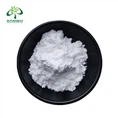
Hydroxychloroquine sulfate powder is also known as MFCD00078203 powder. It is the powder form of hydroxychloroquine sulfate. It is clinically used for rheumatoid arthritis, juvenile chronic arthritis, discoid and systemic lupus erythematosus, and skin lesions triggered or aggravated by sunlight.

What Is Hydroxychloroquine Sulfate Used For On The Skin
Hydroxychloroquine sulfate is used on the skin primarily to treat dermatological conditions associated with autoimmune diseases. The most common skin-related uses include:
1. Discoid Lupus Erythematosus (DLE)
Chronic Skin Condition: DLE is a form of lupus that primarily affects the skin, leading to chronic, scarring lesions, particularly on the face and scalp. Hydroxychloroquine sulfate helps reduce inflammation, prevent flare-ups, and minimize the severity of skin lesions.

2. Systemic Lupus Erythematosus (SLE)
Skin Manifestations: SLE can cause various skin symptoms, including a butterfly-shaped facial rash, photosensitivity, and other rashes. Hydroxychloroquine sulfate helps manage these symptoms by reducing the immune system's overactivity, thus decreasing inflammation and skin damage.
3. Subacute Cutaneous Lupus Erythematosus (SCLE)
Non-Scarring Rashes: SCLE presents as non-scarring rashes, often triggered or worsened by sun exposure. Hydroxychloroquine sulfate is effective in reducing these rashes and preventing further outbreaks.
4. Photosensitivity
Sensitivity to Sunlight: Hydroxychloroquine sulfate is used to manage photosensitivity, a condition where the skin reacts abnormally to sunlight, which is common in lupus and other autoimmune diseases. The medication can help reduce the skin's sensitivity to UV light and prevent flare-ups.
5. Dermatomyositis
Inflammatory Skin and Muscle Disease: Hydroxychloroquine sulfate may be used to treat skin manifestations of dermatomyositis, an inflammatory disease that affects both the skin and muscles. It helps reduce rashes and other skin symptoms associated with this condition.

6. Other Autoimmune-Related Skin Conditions
Off-Label Uses: In some cases, hydroxychloroquine sulfate may be prescribed for other skin conditions related to autoimmune diseases, such as lichen planus or morphea, although these uses are less common and often off-label.
In these cases, hydroxychloroquine sulfate is taken orally, and its effects on the skin are systemic rather than topical. It modulates the immune system, thereby reducing inflammation and the immune response that leads to skin damage in these conditions.
What Is The Difference Between Hydroxychloroquine And Hydroxychloroquine Sulphate
Hydroxychloroquine and hydroxychloroquine sulfate are essentially the same drugs, with the difference lying in the chemical form and how it is presented.
1. Hydroxychloroquine: This is an active drug, a substance used to treat conditions like malaria, lupus, and rheumatoid arthritis.

2. Hydroxychloroquine Sulfate: This is the sulfate salt form of hydroxychloroquine. Adding the sulfate component stabilizes the drug for formulation into tablets or other dosage forms. When you take hydroxychloroquine sulfate, it dissociates in the body to release hydroxychloroquine, the compound that exerts therapeutic effects.
Hydroxychloroquine sulfate is the form used in medications, and it contains the active ingredient hydroxychloroquine. The sulfate helps in the formulation of the drug for practical use.
What Are The Side Effects Of Hydroxychloroquine Sulphate
Like any medicine, hydroxychloroquine sulfate might have adverse effects. Although a lot of people handle it well, other people could have negative reactions. Here are the standard, less common, and rare but severe side effects associated with hydroxychloroquine sulfate:
A. Common Side Effects:
1. Gastrointestinal Issues: Nausea, Vomiting, Diarrhea, Abdominal pain;

2. Skin Reactions: Rash; Itching; Pigmentation changes (darkening of the skin, particularly on the lower legs)
3. Headache
4. Dizziness
B. Less Common Side Effects:
1. Eye Problems:
Blurry Vision: This can occur due to temporary changes in the eye's lens.
Retinopathy: Long-term use can cause damage to the retina, potentially leading to vision loss. Regular eye exams are recommended to monitor this risk.
2. Muscle Weakness
Myopathy: In rare cases, muscle weakness may develop, particularly with long-term use.

3. Mood Changes: Irritability; Nervousness; Depression
4. Hearing Loss
Tinnitus, or ringing in the ears, is a rare but probable side effect of hearing loss.
C. Rare but Serious Side Effects:
1. Cardiac Issues:
QT Prolongation: Hydroxychloroquine can cause prolongation of the QT interval on an electrocardiogram (ECG), leading to severe heart rhythm disturbances. This is more likely when taken with other medications that affect the heart's rhythm.
2. Severe Hypoglycemia:
Low Blood Sugar: Significantly low blood sugar levels can be brought on by hydroxychloroquine, particularly in diabetics or those on other hypoglycemic medications.
3. Severe Skin Reactions:
Stevens-Johnson Syndrome (SJS): a severe, uncommon condition that can lead to excruciating skin and mucous membrane blisters and ulcers.
Toxic Epidermal Necrolysis (TEN): A more severe form of SJS, leading to widespread skin peeling and damage.
4. Bone Marrow Suppression:
Aplastic Anemia: Rarely, hydroxychloroquine can suppress bone marrow function, leading to anemia and reduced production of other blood cells.

5. Liver Toxicity
Hepatotoxicity: In rare instances, the medication may harm the liver, resulting in increased liver enzymes and, in the worst situations, liver failure.
6. Neuropsychiatric Effects:
Seizures; Hallucinations
D. Precautions:
1. Regular Monitoring: Patients on long-term hydroxychloroquine therapy should have regular eye exams, blood tests, and ECGs to monitor for potential side effects.
2. Pre-existing Conditions: Patients with certain pre-existing conditions, such as heart arrhythmias, liver disease, or a history of vision problems, should use hydroxychloroquine sulfate with caution and under close medical supervision.
Although hydroxychloroquine sulfate is usually well tolerated, there is a potential for mild to severe adverse effects. Patients should collaborate closely with their healthcare practitioner to check for any negative effects, especially after long-term use, and be informed of the potential hazards.
If you want to know more about the hydroxychloroquine sulphate powder manufacturer, you can contact Xi'an Sonwu. Click the email to get a high-quality MFCD00078203 powder.
Email: sales@sonwu.com