




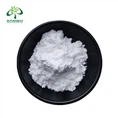
In allergy symptom management, balancing effective relief with maintaining daily function has always been a core challenge. Traditional antihistamines often cause drowsiness, affecting daytime work and activities. The following content will delve into the mechanism of action of Fexofenadine and how it achieves "drowsiness-free" allergy treatment.
What is Fexofenadine used for
Fexofenadine powder is a second-generation antihistamine used to treat symptoms caused by seasonal allergies and skin conditions.
Unlike first-generation antihistamines (such as Diphenhydramine), the product does not cause drowsiness because it does not readily cross the blood-brain barrier.
It is most commonly used to treat:
Seasonal allergic rhinitis (hay fever): Relieves symptoms such as sneezing, runny nose, and itchy/watery eyes caused by pollen, dust mites, or pet dander.

Chronic urticaria: Reduces itching and redness associated with hives and other itchy rashes.
Insect bites: Sometimes used to relieve localized swelling and itching caused by bites.
When the body is exposed to an allergen, it releases a chemical called histamine. Histamine attaches to "H1 receptors" in the nose, throat, and skin, causing inflammation and itching. Fexofenadine blocks these receptors, preventing histamine from triggering these annoying symptoms.If you are also interested in fexofenadine, please feel free to contact Xi'an Sonwu.
Are Diphenhydramine and Fexofenadine the same medication
No, Diphenhydramine and Fexofenadine are two utterly different antihistamine medications. The main difference between these two generations of drugs lies in whether they cross the blood-brain barrier: Diphenhydramine has a strong central nervous system effect, causes significant drowsiness, and has a short duration of action; Fexofenadine has no central nervous system effects, causes very little drowsiness, and has a long duration of action, making it more suitable for long-term daytime allergy treatment.

Detailed Comparison:
1. Diphenhydramine belongs to the older generation of drugs, with a rapid onset of action but significant side effects.
It can be used to treat allergies or allergic reactions, relieve motion sickness, act as a sleep aid, and, in some people, alleviate symptoms of Parkinson's disease. Sedation is a common side effect, and it may cause dry mouth, which can increase the risk of cavities and worsen symptoms of gastroesophageal reflux disease (GERD) if Diphenhydramine is used frequently.
2. Fexofenadine
It is used to temporarily relieve symptoms of hay fever or allergies, such as a runny nose, itchy eyes, sneezing, itchy nose and throat, or a skin rash. It can also be used to treat chronic urticaria. Studies have shown that Fexofenadine has the least sedative effect among all available antihistamines.
It is better than Diphenhydramine because of its longer duration of action, and it does not affect daily life, driving, or studying. It is one of the "least drowsy" antihistamines currently on the market.
Therefore, if you need to work or drive during the day, please choose Fexofenadine.
If you can't sleep due to allergy-induced itching or if you experience a sudden, acute allergic reaction, Diphenhydramine may be more effective. Still, please be aware of its sedative side effects.
What is the mechanism of action of Fexofenadine
Fexofenadine has a precise mechanism of action, which is why it effectively treats allergies without causing "brain fog" or drowsiness like older generations of antihistamines.
Its function can be broken down into three main processes:
1. Selective H1 receptor antagonism (inverse agonism)
Technically, it is an inverse agonist of peripheral H1 receptors.
Histamine is a chemical that binds to H1 receptors like a key, "activating" the receptors and causing allergy symptoms. The product also binds to these receptors, but it doesn't activate them. Instead, it keeps the receptors in an inactive state. By occupying the "lock," it prevents histamine from binding, effectively suppressing the allergic reaction at its source.

2. High peripheral selectivity
Unlike first-generation antihistamines (such as Diphenhydramine), it is highly selective. It does not affect other receptor types in the body, which explains its good safety profile: it does not bind to muscarinic receptors, so it rarely causes side effects common with older drugs, such as dry mouth, blurred vision, or constipation. It also does not interact with α- or β-adrenergic receptors, so it does not affect blood pressure or heart rate.
3. "Non-drowsy" mechanism (blood-brain barrier)
The most unique part of its mechanism of action is its action on the brain. Most drugs can cross the blood-brain barrier (BBB) and enter the brain. Still, it is blocked by two factors: the product is a "zwitterion" (a molecule with both positive and negative charges). This makes it highly polar, meaning it doesn't easily cross the lipid membrane of the blood-brain barrier. At the same time, even if a small amount of the drug manages to cross the blood-brain barrier, the body has a "security guard" protein called P-gp. This protein recognizes Fexofenadine and actively pumps it back into the bloodstream, preventing it from entering the brain. Because the drug cannot remain in the brain and bind to central H1 receptors, it does not interfere with histamine's role in promoting wakefulness in the central nervous system. It is rapidly absorbed, reaching peak effect within 1-3 hours. Its metabolic pathway differs from that of other drugs; only about 5% is metabolized by the liver. The remaining portion remains in its active form. It is primarily eliminated from the body in its original form, primarily through faeces (80%) and urine (12%).
For any questions regarding fexofenadine powder pricing or products, please contact us directly at Xi'an Sonwu.
Email: sales@sonwu.com
Reference: https://drdaves.com/collections/autumn-dryness