




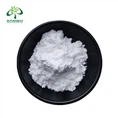
Have you ever wondered if it might be possible to improve metabolic health-not through dieting, but simply by mimicking the cellular mechanisms of exercise and fasting? ATX-304 sodium salt is precisely such a cutting-edge experimental drug; acting as a dual-action metabolic modulator, it holds the promise of delivering breakthroughs in the treatment of obesity, Type 2 diabetes, and liver diseases by activating AMPK and promoting mitochondrial uncoupling.
What is ATX-304 Sodium Salt
ATX-304 sodium salt powder is the sodium salt form of ATX-304 (also known as O-304), a novel research compound whose potential applications in metabolic health research are currently being explored. While its active pharmacological component remains ATX-304, converting it to sodium salt form is commonly used in drug and laboratory development to improve its water solubility, chemical stability, and overall handling properties. Structurally, ATX-304 belongs to the long-chain fatty acid derivative family. It possesses a unique molecular structure consisting of a hydrophobic carbon chain tail and a polar carboxyl head group. This amphiphilic design allows the compound to interact with both lipid and aqueous environments, a characteristic that may influence its biological activity and pharmacokinetic behavior. Researchers are particularly interested in how these structural properties affect cellular metabolism, energy utilization, and metabolic signaling pathways. Ongoing research focuses primarily on evaluating its potential role in the treatment of obesity, type 2 diabetes, and other metabolic disorders. As research progresses, ATX-304 sodium salt, as a promising drug candidate, has attracted much attention in exploring innovative approaches to treating metabolic diseases and promoting long-term metabolic health. If you are interested in ATX-304 sodium salt, please feel free to contact Xi'an Sonwu.

What is the mechanism of action of ATX-304 Sodium Salt
ATX-304 Sodium Salt (formerly O304) is a dual-action metabolic modulator that functions as both a direct pan-AMPK activator and a mitochondrial uncoupler. By biochemically mimicking the effects of caloric restriction and exercise, it induces a shift in cellular energy expenditure patterns. Core Mechanism of Action: AMPK Activation: ATX-304 activates AMP-activated protein kinase (AMPK)-a master regulator of cellular energy homeostasis-by inhibiting the dephosphorylation of its critical site, Threonine 172 (Thr172). Mitochondrial Uncoupling: It also promotes mitochondrial uncoupling, enabling cells to dissipate energy as heat rather than utilizing it solely for ATP synthesis. This process elevates the basal level of cellular respiration and stimulates the body to burn more calories. Catabolic Shift: These dual actions work synergistically to trigger a "catabolic switch" within the body. In organs such as the liver and skeletal muscle, it downregulates lipid synthesis while simultaneously enhancing the oxidative breakdown of lipids (fatty acids).

Downstream Biological Effects: Given that it biochemically mimics the physiological states of fasting and exercise, ATX-304 exerts several significant physiological effects: Metabolic Diseases: It reduces insulin resistance, improves glucose uptake in skeletal muscle, lowers fasting blood glucose levels, and protects pancreatic $\beta$-cells from damage (stress). In the liver, it reduces fat accumulation and alleviates fibrosis. Cardiovascular and Organ Protection: It improves microvascular perfusion, lowers blood pressure, enhances cardiac output, and protects organs (such as the kidneys) from cellular stress and age-related functional decline. Weight Management: It reduces total body fat mass while preserving lean muscle tissue; this effect is achieved by increasing energy expenditure rather than by suppressing appetite. Currently, researchers are actively conducting applied therapeutic research targeting metabolic syndrome, fatty liver disease, and aging-related disorders, and have accumulated relevant clinical and preclinical data.
What are the benefits of ATX-304 Sodium Salt
ATX-304 Sodium Salt is a novel, investigational activator of AMPK (AMP-activated protein kinase) and mitochondrial function. Currently in clinical development, it is being explored as a potential cardiometabolic therapeutic agent to treat obesity, Type 2 diabetes, and Metabolically Active Steatotic Liver Disease (MASLD) by mimicking the cellular benefits of fasting and exercise. Key Preclinical and Clinical Benefits: Studies indicate that ATX-304 offers several highly promising metabolic advantages: Enhanced Fat Loss: In animal models, ATX-304 promotes weight loss and reduces body fat mass without dietary restriction. It achieves this effect by increasing energy expenditure-the rate at which the body burns calories-rather than solely through appetite suppression. Improved Metabolic Health: Early trial results show that the compound lowers fasting blood glucose levels, reduces insulin resistance, and lowers cholesterol and triglyceride levels.

Hepatoprotective Effects: Research suggests that by modulating hepatic metabolic pathways, the compound reduces liver fat accumulation (steatosis), lowers levels of harmful oxidized lipids, and attenuates the progression of liver fibrosis. Enhanced Mitochondrial Activity: By boosting mitochondrial respiration and fatty acid oxidation capacity, the compound enhances cellular adaptability; in preclinical models, it has been shown to significantly improve exercise endurance. Organ Protection: Studies suggest that, by regulating cellular metabolism, the compound may help prevent certain forms of tissue damage, such as acute kidney injury induced by cisplatin, a chemotherapy drug. Strictly speaking, ATX-304 remains an investigational drug; as such, the substance is primarily offered to the scientific community for use as a research chemical.
If you would like to inquire about the price of ATX-304 Sodium Salt powder or other product information, please contact Xi'an Sonwu directly.
Email: sales@sonwu.com