




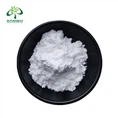
What Type Of Drug Is Artesunate
Artesunate API powder, also called Art, is a drug that belongs to the class of artemisinin derivatives. It is taken from the Artemisia annua plant. It is a substance that has the effect of killing the asexual bodies of Plasmodium. The mechanism of action of artesunate is the same as that of artesunate. It has a strong killing effect on Plasmodium asexuals and can quickly control malaria attacks. It is mainly used to treat malaria, especially severe or complicated malaria. It is clinically used to treat cerebral malaria and rescue various severe malaria. It can effectively kill Plasmodium asexuals and control the onset of malaria. The treatment effect is noticeable, and the symptoms can be handled quickly. Art can affect the structure of the Plasmodium, causing it to undergo structural changes, affecting the Plasmodium's access to nutrients, and causing the Plasmodium to lose nutrients and die.
As a semi-synthetic derivative of artemisinin, Art itself has a variety of biological activities such as antimalarial, antioxidant, and anti-inflammatory, and it also has good pharmacological safety. In addition, scientists used in vitro HaCaT cell and mouse models to study the inhibitory effect of Art on skin photoaging under ultraviolet irradiation. Among them, β-catenin is closely related to the therapeutic effect of Art. If you need to study artesunate and want to get raw artesunate, you can contact Xi'an Sonwu anytime. Xi'an Sonwu can provide it to you.

What Is Artesunate Used For
1. Treat malaria
Art is mainly used to treat malaria. It is particularly effective in severe or complicated malaria (where the infection has spread to vital organs or there is evidence of organ dysfunction). It can kill Plasmodium Anaplasma by blocking its supply of nutrients to the host's red blood cell material. It acts quickly and effectively against multidrug-resistant malaria. It has a powerful and rapid killing effect on the red stage of Plasmodium and can promptly control clinical attacks and symptoms. It is mainly used clinically to rescue cerebral malaria and various severe malaria. The World Health Organization (WHO) considers artesunate a first-line drug for treating severe malaria. It is often combined with other antimalarial drugs, such as mefloquine, lumefantrine, or sulfadoxine-pyrimethamine, to provide an integrated treatment approach.
In addition to its use in treating severe malaria, it is also used in treating uncomplicated malaria. Depending on the specific geographical area and the resistance pattern of the malaria parasite, it may be used as a monotherapy or in combination with other antimalarial drugs. However, it is not used to prevent malaria. Other antimalarial drugs, such as chloroquine, mefloquine, or atovaquone-proguanil, are often prescribed for prophylactic purposes.

2. Improve skin photoaging
In vitro HaCaT cell model and mouse model, the inhibitory effect of Art on skin photoaging under ultraviolet irradiation was studied. UV-irradiated HaCaT cells reduce cell senescence and intracellular ROS production and increase SOD expression.
In the test to resist photoaging, the researchers compared the changes in SA-β-gal in HaCaT cells before and after Art treatment. Art pretreatment significantly reduced the expression of the senescence factor SA-β-gal in HaCaT cells under UV irradiation in a dose-dependent manner. Therefore, Art pretreatment can effectively prevent UVB radiation-induced cell senescence. When the levels of intracellular ROS were tested, it became clear that the UVB irradiation group had higher levels than the control group. However, after pretreatment with 5 and 20 μg/ml Art, intracellular ROS levels were significantly reduced. In addition, the research team also detected the main endogenous antioxidant SOD and found that Art pretreatment significantly increased its expression in cells after UVB irradiation. In summary, Art pretreatment (especially 20 μg/ml) can reduce the senescence of HaCaT cells under ultraviolet irradiation, reduce the production of intracellular ROS, and increase the expression of intracellular SOD.
The researchers divided HaCaT cells into a control group, 20 μg/ml Art group, UVB irradiation group, and UVB + 20 μg/ml Art group. The results showed that 20 μg/ml Art pretreatment significantly enhanced the proliferation of senescent cells and the proliferation of normal cells. In addition, cell apoptosis increased significantly after UVB irradiation, but 20 μg/ml Art pretreatment inhibited cell apoptosis considerably. Not only that, 20 μg/ml Art pretreatment can also reduce the apoptosis of normal cells. In other words, whether they are UVB-irradiated or normal cells, the proportion of damaged cells is significantly reduced after Art pretreatment. In addition, judging from the cell senescence indicator SA-β-gal staining results, 20 μg/ml Art pretreatment significantly inhibited the senescence of UVB-irradiated cells and normal cells.
Next, the researchers used a mouse skin photodamage model to observe the effects of Art treatment and β-catenin silencing on the photoaging of UV-irradiated mouse skin. The skin of mice in the control group was smooth, regular in color, elastic, and free of wrinkles and sagging. The skin of mice exposed to UVB showed brown patches, roughness, wrinkles, scaly skin, and lack of elasticity. After using sh-β-catenin, the skin of mice irradiated by UVB shrank, wrinkles deepened, brown patches and scaly protrusions appeared, and a leather-like appearance appeared. After treatment with Art, the photoaging of mouse skin was significantly improved. In summary, this study has produced very detailed data, confirming that it can alleviate skin photoaging caused by UVB irradiation by enhancing the expression of β-catenin.

Artesunate Dose
The dosage of artesunate depends on several factors, including the severity of the malaria infection, the age and weight of the patient, and the specific treatment guidelines followed in a particular region.
For severe malaria:
For adults and children weighing 20 kilograms (kg) or more: The recommended initial dose is generally 2.4 milligrams per kilogram (mg/kg) of body weight.
For uncomplicated malaria:
Art is often given with another antimalarial drug, such as mefloquine or artemether-lumefantrine. The healthcare provider will determine the specific dosing regimen based on factors such as the patient's age, weight, and resistance patterns in the area.
What Is Combination With Artesunate
Art is often combined with other antimalarial drugs as part of a comprehensive treatment approach to malaria. Combination therapy offers several advantages, including improved efficacy, reduced risk of resistance, and faster parasite clearance.
Artemether-lumefantrine (AL): Especially in regions where the parasite is resistant to other antimalarial medications, this combination is frequently utilized as the first-line therapy for Plasmodium falciparum-caused uncomplicated malaria. It is composed of artemether, another artemisinin derivative, and lumefantrine. Art is often used in the initial phase to quickly reduce the parasite load, followed by artemether-lumefantrine to completely clear the infection.

Dihydroartemisinin-piperaquine: This combination is used to treat uncomplicated and severe malaria. It consists of dihydroartemisinin, the active metabolite of artesunate, and piperaquine. This combination usually requires a 3-day course of treatment and is highly effective against multidrug-resistant malaria parasites.
Artesunate-Mefloquine: This combination treats uncomplicated malaria caused by chloroquine-resistant Plasmodium falciparum. Art was given initially, followed by mefloquine. This combination has shown promising efficacy and is commonly used in areas where mefloquine resistance is not widespread.
If you want to know the Art manufacturer, you can contact Xi'an Sonwu. Click the email, and then you get high-quality Art powder.
Email: sales@sonwu.com