




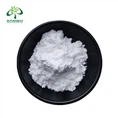
What Is Amphotericin B Used To Treat
Amphotericin B powder is an antifungal drug, usually in powder form, used to treat various serious infections caused by fungi. It is an aminosterol drug that kills or inhibits fungal growth mainly by interfering with the function of fungal cell membranes. It is a dry, sterile powder that usually needs to be mixed with a solvent (such as 5% glucose solution or saline) to make an injection solution for use. It is applied to treat severe infections brought on by fungi, especially some refractory or systemic fungal infections, such as Candida infections (such as candidemia), Aspergillus infections, Cryptococcal infections, Mycobacterium fuse infections (such as fusilliosis), other systemic infections, etc. If you are interested in Amphotericin B, please feel free to contact Xi'an Sonwu.
Some of the key conditions treated with amphotericin B include:
Systemic Fungal Infections:
Candidiasis (invasive, systemic candidiasis, such as candidemia)

Aspergillosis (invasive pulmonary aspergillosis)
Cryptococcosis (cryptococcal meningitis, particularly in immunocompromised patients such as those with HIV/AIDS)
Histoplasmosis
Blastomycosis
Coccidioidomycosis
Mucormycosis (also known as zygomycosis, a rare and often severe fungal infection caused by molds of the Mucorales group)
Fungal Endocarditis and other deep, systemic infections.
It is often used in severe cases where other antifungal treatments may not be effective or when the infection is widespread. There is also a liposomal form of the product, which is designed to reduce some of the toxicity associated with the standard formulation.
How Do You Dissolve Amphotericin B In Water
To dissolve the product(particularly the conventional formulation, also known as the product (deoxycholate), you need to follow specific steps for reconstitution because it is provided as a lyophilized (freeze-dried) powder. Here's a step-by-step guide:
Reconstitution of the product (Deoxycholate Formulation)
Check the Manufacturer's Instructions:
Always start by checking the product's specific reconstitution instructions, as they might vary depending on the brand or specific formulation of the product. The following steps are based on general guidelines.
Reconstitution Procedure:
Add Sterile Water:
Typically, five milliliters of sterile water are used to reconstitute it for each vial. The precise quantity of water can change based on the prescribed dose and the manufacturer's instructions. Make sure to use sterile or bacteriostatic water.

Note: For some formulations, D5W (5% dextrose in water) may be recommended instead of plain sterile water, as the product might be sensitive to the pH of the solution.
Dissolve the Powder:
After adding the water, gently swirl the vial to help dissolve the powder. Avoid shaking vigorously, as this could cause foaming or denaturation of the drug.
The product should dissolve into a clear, slightly yellowish solution. If any undissolved particles remain, the solution should not be used. If the solution is cloudy or has precipitated, discard it and reattempt the process with a fresh vial.
Final Concentration:
After reconstitution, it typically has a concentration of about 50 mg per 5 mL of solution (which equals 10 mg/mL). Again, the final concentration may depend on the specific product, so confirm this with the manufacturer's instructions.
Check for Clarity:
Ensure the solution is clear and free of visible particulate matter. If the solution is cloudy or there are undissolved particles, do not use it.
Key Points:
Gentle swirling is essential to avoid damaging the drug.
After reconstitution, use the solution immediately or store it in a refrigerator for up to 24 hours, but do not freeze.
Check the expiration after reconstitution, as the stability of the product may be affected by temperature and time.
What Is An Alternative To Amphotericin B
It is a powerful antifungal medication, but it can have serious side effects, including nephrotoxicity (kidney damage). Depending on the type of fungal infection and the patient's condition, there are several alternative antifungal medications to the product that might be used as treatment. These alternatives can be classified into several categories according to their range of activity, mode of action, and safety profiles.

1. Azoles (e.g., Fluconazole, Itraconazole, Voriconazole)
Azoles are a class of antifungal drugs that work by inhibiting the synthesis of ergosterol, a critical component of fungal cell membranes. Azoles are usually well-tolerated and have a more favorable side-effect profile compared to the product, but they may not be effective against all fungal infections.
2. Echinocandins (e.g., Caspofungin, Micafungin, Anidulafungin)
Echinocandins are a class of antifungal drugs that prevent the production of beta-glucan, a crucial part of the fungal cell wall. They are particularly effective against Candida species and some other fungal infections and are often used as alternatives in patients who cannot tolerate amphotericin B.
3. Allylamines (e.g., Terbinafine)
Allylamines inhibit fungal squalene epoxidase, This damages cell membranes and contributes to the development of ergosterol. Terbinafine is the most commonly used allylamine.
4. Flucytosine (5-FC)
Flucytosine is often used in combination with other antifungals (like it) for systemic infections caused by Cryptococcus and Candida species.
Why Do We Give Amphotericin B With Dextrose
It is commonly administered in a solution of dextrose (5% dextrose in water, or D5W) for several key reasons related to its stability, solubility, and safety. Here's a breakdown of why this practice is important:
1. Stability and Solubility
It is poorly soluble in water on its own, and it can form aggregates or precipitate out of solution. To improve its solubility, it is typically dissolved in a solution of dextrose or lipid-based formulations. Dextrose (a type of sugar) helps to keep the amphotericin B in a stable, dissolved form, ensuring the drug can be effectively delivered to the body.
2. Minimizing Renal Toxicity
It has a well-known risk of nephrotoxicity (kidney damage), especially with higher doses or prolonged treatment. When amphotericin B is given in a dextrose solution, it helps dilute the drug, potentially reducing the risk of nephrotoxic effects.

3. Hydration Support
It is commonly associated with side effects like fever, chills, and hypotension, which can result in dehydration. The infusion of dextrose solution helps maintain hydration status during the infusion and can minimize some of the infusion-related side effects.
4. Preventing Precipitation of the Drug
Amphotericin B, when dissolved in saline solution, has a tendency to precipitate or form aggregates, particularly at higher concentrations. Dextrose is often preferred because it reduces the likelihood of precipitation, ensuring the drug remains in its active, dissolved form during the infusion.
In essence, the administration of it in dextrose solution improves the efficacy, safety, and tolerability of the medication during infusion, especially when used in seriously ill patients who need antifungal therapy.
If you want to know the price of Amphotericin B Powder, are interested in Xi'an Sonwu, or have other questions about the product, do not hesitate to contact Xi'an Sonwu.