




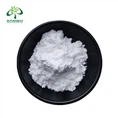
What Is Amygdalin In Chinese Medicine
Amygdalin Powder, in Chinese medicine, is often referred to as "杏仁苷" (xìng rén gān). It is a compound found in the seeds of certain fruits, particularly apricots, almonds, and peaches. Apricot seeds are used in traditional Chinese medicine (TCM), known as "xìng ren" (杏仁), have been used for centuries in various herbal formulas. It itself is a cyanogenic glycoside, meaning it can release cyanide when metabolized. While modern science has questioned its safety, traditional use in Chinese medicine is mostly focused on its potential to promote the flow of qi, relieve coughing, and address respiratory issues such as asthma or bronchitis. It is often used to expel phlegm, regulate the lungs, and ease symptoms of coughing or wheezing. If you are interested in Amygdalin, please feel free to contact Xi'an Sonwu.

However, it's important to note that the use of the product (and particularly the seeds containing it) in high doses has been controversial and may pose risks due to the potential for cyanide poisoning. As with all traditional remedies, It is essential to speak with a trained professional before utilizing these drugs.
What Is The Effect Of Amygdalin
Amygdalin, a compound found in the seeds of certain fruits (like apricots, almonds, and peaches), has various effects, both in traditional medicine and in modern scientific studies.
Traditional Uses (in Chinese Medicine and other systems):
In traditional medicine systems, including Chinese medicine, It is linked to a number of possible health advantages, particularly when derived from seeds like apricot kernels (杏仁, xìng ren). It is often used to:
Relieve Coughing and Respiratory Issues: In Chinese medicine, apricot kernel is believed to help with respiratory problems, such as coughs, asthma, and bronchitis. It is thought to help clear phlegm from the lungs and regulate the flow of qi (vital energy).
Promote Digestive Health: In some traditional practices, it is believed to have a mild laxative effect, helping to alleviate constipation.
Improve Circulation and Detoxification: Some herbalists claim that it may promote circulation and assist in detoxifying the body by stimulating the elimination of waste products.

Modern Scientific Perspective:
In modern science, its effects have been studied more extensively, and there are several key aspects to consider:
Potential Anti-Cancer Properties: it has been promoted in alternative medicine, especially under the term "Laetrile," as a treatment for cancer. Some proponents claim that it may selectively target cancer cells, releasing cyanide that kills them. However, scientific evidence supporting this claim is highly limited, and the use of Amygdalin for cancer treatment is controversial and potentially dangerous.
Toxicity Concerns: When metabolized, it can release cyanide, a toxic substance. This has raised safety concerns, especially if consumed in large quantities. Cyanide poisoning symptoms include lightheadedness, nausea, and vomiting, confusion, and even death in extreme cases. Due to this risk, the use of Amygdalin as a therapeutic agent is heavily regulated in many countries.
Mild Effects on Blood Sugar: There is some evidence suggesting that it may have a mild effect on blood sugar levels, but the clinical significance of this is still unclear and requires further research.
Safety Considerations:
Due to the potential for cyanide release, caution is advised when using substances containing it. While small amounts of apricot kernel may be consumed in traditional medicine, Unless supervised by a healthcare provider, high amounts should be avoided.
What Food Has The Most Amygdalin
Foods that are known to contain the highest amounts of the product are typically the seeds of certain fruits. Here are the foods that are particularly rich in Amygdalin:
1. Apricot Kernels (Apricot Seeds)
Apricot kernels are one of the most well-known sources of Amygdalin. These seeds contain a significant amount of this compound, and they are sometimes consumed in traditional medicine for various health benefits. However, they also pose a risk of cyanide poisoning if consumed in large quantities.
2. Bitter Almonds
Bitter almonds (the type used to make almond extract, not sweet almonds typically eaten raw or in snacks) contain it. Bitter almonds are often used in traditional remedies, though they must be adequately processed to reduce the risk of cyanide toxicity.
3. Peach Pits
Like apricot kernels, peach pits (the hard seeds inside peaches) contain it. These pits also have potential health benefits in traditional medicine, but they carry the same risks due to the cyanide content.

4. Plum Pits
Like peaches and apricots, the seeds inside plums (and other stone fruits like cherries) contain it. These are less commonly consumed but can have the product content.
5. Apple Seeds
Apple seeds contain small amounts of it. While the amount is relatively lower than in apricot kernels or bitter almonds, it's still present. It is doubtful that eating a few apple seeds will cause any harm, but eating large quantities could pose a risk due to cyanide release.
6. Cherries
The seeds inside cherries also contain it. As with other stone fruits, they are typically not eaten, but they do have their content.
7. Pear Seeds
Pear seeds, like those of other fruits, contain it. Though they are often discarded, if consumed in large amounts, they may release cyanide.
Important Note on Consumption:
While it is found in these foods, it's crucial to emphasize that the seeds or pits should not be consumed in large quantities due to the risk of cyanide poisoning. The body can typically handle it in small amounts, like those naturally encountered by eating fruit, but consuming large quantities of seeds or kernels from these fruits can be dangerous. Always be cautious, and avoid intentionally consuming large amounts of these seeds.
If you want to know the price of Amygdalin Powder, are interested in Xi'an Sonwu, or have other questions about the product, do not hesitate to contact Xi'an Sonwu.