




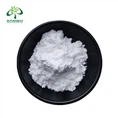
Have you ever wondered how a natural byproduct of vitamin B₃ metabolism could influence vascular health, exercise endurance, and inflammation? Let's delve into the science and potential applications of 1-methylnicotinamide (1-MNA) - an endogenous metabolite gaining attention in modern biomedical research.
What is 1 methylnicotinamide Chloride
1 Methylnicotinamide Chloride Powder (1-MNA) is a small-molecule endogenous substance derived from the metabolism of niacin (vitamin B₃). Its chemical name is N¹-methylnicotinamide, and it belongs to the methylated metabolites of nicotinamide. Nicotinamide is methylated using S-adenosylmethionine (SAM) as a methyl donor under the action of nicotinamide N-methyltransferase (NNMT). It is naturally present in the body; it is also found in blood and urine. It is often used as a biomarker for niacin levels and NNMT activity. It has been reported to have anti-inflammatory and vascular protective effects, including effects on endothelial function and nitric oxide signaling.
It is associated with energy metabolism and methylation balance, contributing to metabolic regulation. Research areas include cardiovascular health, metabolic disorders, kidney function, and the metabolic status of pathological cellular symptoms (due to altered NNMT activity). Note that it is not vitamin B₃ itself, nor does it directly exert the effects of NAD⁺. It is also not a stimulant or hormone. It is a naturally occurring metabolite of nicotinic acid, serving as a useful metabolic indicator and possessing emerging physiological functions. If you are also interested in 1 methylnicotinamide Chloride, please feel free to contact us at Xi'an Sonwu; we will be happy to provide you with services.

What are the benefits of 1 methylnicotinamide Chloride supplements
Recommendations regarding the potential benefits of 1 methylnicotinamide Chloride (1-MNA) supplementation are primarily based on animal studies, limited human studies, and emerging mechanistic investigations. Strong clinical evidence in healthy individuals remains very limited.
Potential Benefits Under Investigation
1. Vascular and Cardiovascular Effects
1-MNA may improve endothelial (vascular lining) function by increasing nitric oxide (NO) bioavailability, thereby promoting vasodilation and healthy blood flow. This effect has been demonstrated in animal models of vascular dysfunction. It can also stimulate the production of prostacyclin (PGI₂), which helps inhibit platelet aggregation and may have antithrombotic (anticoagulant) activity.

2. Anti-inflammatory Effects
Studies have shown that 1-MNA can reduce inflammatory signaling and cytokines (such as TNF-α and IL-6) and may help prevent neuroinflammation and systemic inflammation in animal models.
3. Exercise Endurance and Energy Metabolism
In animal studies (e.g., diabetic mice), 1-MNA improved endurance exercise capacity and may support energy metabolism during exercise. A small human study (during the COVID-19 recovery period) suggested that daily intake of approximately 58 mg of 1-MNA may improve exercise endurance and reduce fatigue compared with not taking supplements, but the data are preliminary.
4. Neuroprotective Effects (Preclinical Studies)
In rodent studies, 1-MNA reduced inflammation-induced cognitive impairment and may help protect neurons and reduce brain cell apoptosis (cell death).
5. Metabolism and NAD-Related Pathways
Because 1-MNA is involved in niacin metabolism, researchers are exploring its effects on cellular NAD⁺ metabolism and the sirtuin pathway (associated with energy metabolism and aging). However, these mechanisms have not yet been fully confirmed in humans.

Based on existing research, this substance shows potential health benefits across several areas, but the evidence is still generally in its early stages. In terms of cardiovascular health, it may improve endothelial function and exhibit some antithrombotic effects, but this is currently supported only by preliminary animal and limited human studies. Regarding its anti-inflammatory effects, preclinical studies have shown that it can reduce the levels of pro-inflammatory markers. Early small-scale human trials suggest it may improve exercise tolerance, particularly in relation to exercise capacity and fatigue. Animal studies have also found that it has neuroprotective effects in inflammation models. Furthermore, based on mechanistic and animal studies, it may regulate the NAD+ metabolic pathway. Overall, these potential effects still require further validation through more high-quality clinical studies.
How quickly does 1 methylnicotinamide Chloride take effect
The onset time of 1 methylnicotinamide Chloride (1-MNA) depends on the specific action and method of administration you are referring to. Based on pharmacokinetics and existing human/animal data:
Absorption and circulation: Rapidly absorbed after administration, detectable in the blood within approximately 30-60 minutes. Peak plasma concentrations occur approximately 1-2 hours after administration. Elimination half-life: Short (several hours); therefore, it does not accumulate strongly.
Functional effects (effects actually felt by the human body):
1. Vascular/endothelial effects: Mechanistic effects on the nitric oxide signaling pathway and prostacyclin (PGI₂) begin to appear at the cellular level within hours. If measurable improvements in endothelial function are observed, these are more likely to be detected after several days to 1-2 weeks of daily administration.

2. Exercise endurance/fatigue: A widely cited small human study (post-COVID-19 fatigue) showed improvements in exercise endurance/fatigue after daily supplementation for 2-4 weeks. 3. Anti-inflammatory effects: Molecular anti-inflammatory signaling can be initiated within days, but significant clinical changes typically require several weeks of continuous use.
Its mechanism of action differs from that of caffeine or other stimulants (it does not produce rapid subjective effects), and it does not immediately increase NAD⁺ levels like NR or NMN; therefore, it is not expected to improve athletic performance or mood immediately. Thus, its effects are gradual rather than immediate. If therapeutic effects occur, they are usually observed after several days to weeks of continuous daily use, rather than immediately after a single dose.
If you would like to inquire about the price of 1 Methylnicotinamide chloride powder or other product information, please get in touch with Xi'an Sonwu directly.
Email: sales@sonwu.com
References:https://en.wikipedia.org/wiki/1-Methylnicotinamide?utm_source=chatgpt.com "1-Methylnicotinamide"