




What does adenosine triphosphate disodium do
1. Energy Production and Cellular Function:
Adenosine Triphosphate Disodium is a crucial molecule for cellular energy metabolism. It is involved in the transfer of energy within cells, acting as a direct source of energy for numerous physiological processes. By providing a readily available source of energy, ATP disodium supports optimal cellular function, allowing cells to perform essential functions such as muscle contraction, nerve impulse transmission, and active transport of ions across cell membranes. Adequate ATP disodium levels are critical for maintaining cellular homeostasis and sustaining overall energy requirements.
2. Enhanced Physical Performance:
Supplementing with ATP disodium has shown potential benefits in enhancing physical performance. During exercise, the demand for ATP increases, and ATP disodium supplementation can help support energy metabolism, delaying fatigue and improving athletic performance. Studies have demonstrated that ATP disodium supplementation can enhance muscular power, improve muscle endurance, and increase the time to reach exhaustion during high-intensity exercise. By providing additional energy substrate, ATP disodium can optimize energy availability, enabling athletes to perform at their best.
3. Potential Cognitive Benefits:
ATP disodium has also shown promise in supporting cognitive function. The brain is an energy-demanding organ, and ATP disodium plays a vital role in meeting its high energy requirements. By supplying the brain with an adequate energy source, ATP disodium may help enhance cognitive processes such as memory, concentration, and mental clarity. Preliminary research suggests that ATP disodium supplementation may improve cognitive performance, attention, and decision-making abilities in some individuals. Further studies are needed to explore its full potential in cognitive enhancement.
4. Wound Healing and Tissue Repair:
ATP disodium is involved in the wound healing process and tissue repair. ATP disodium provides the necessary energy for cellular migration, proliferation, and tissue regeneration. By supporting cellular activities, ATP disodium can aid in accelerating the healing process and promoting tissue repair. In particular, topical application of ATP disodium has shown potential in promoting wound closure, reducing inflammation, and facilitating tissue regeneration. These properties make ATP disodium a valuable asset in wound management and tissue engineering applications.

5. Potential Medical Applications:
ATP disodium shows promise in various medical applications. For example, in cardiology, ATP disodium is used in stress tests to evaluate cardiac function. It is also being explored as a potential adjunctive therapy in heart conditions such as angina and heart failure. Additionally, ATP disodium's ability to improve cellular energy production and enhance blood flow may have implications in conditions associated with decreased energy metabolism, such as chronic fatigue syndrome and mitochondrial disorders. However, more robust clinical studies are warranted to establish its efficacy and safety in these applications.
6. Biotechnological Advancements:
ATP disodium plays a significant role in biotechnological advancements. Its stability and solubility make it a valuable tool in various molecular biology techniques. ATP disodium is used in recombinant DNA technology as a source of high-energy bonds required for DNA ligation and phosphorylation reactions. It is also utilized in DNA sequencing, DNA modification techniques, and the generation of bioenergy in biosensors and biofuel cells. In these applications, ATP disodium serves as a fundamental component, facilitating the manipulation and analysis of DNA and enabling technological advancements in various sectors.
7. Potential Therapeutic Applications:
ATP disodium has emerged as a potential therapeutic agent in the field of nucleotide-based therapeutics. Its stability and solubility properties make it suitable for incorporation into delivery systems for targeted drug delivery. The ATP moiety in ATP disodium can serve as a recognition signal for cellular uptake, allowing specific delivery of drugs to the target cells or tissues. This targeted drug delivery approach increases drug efficacy, reduces side effects, and enhances therapeutic outcomes. ATP disodium's therapeutic potential is being explored in various fields, including cancer treatment, gene therapy, and drug delivery systems.
What are the ingredients in ATP
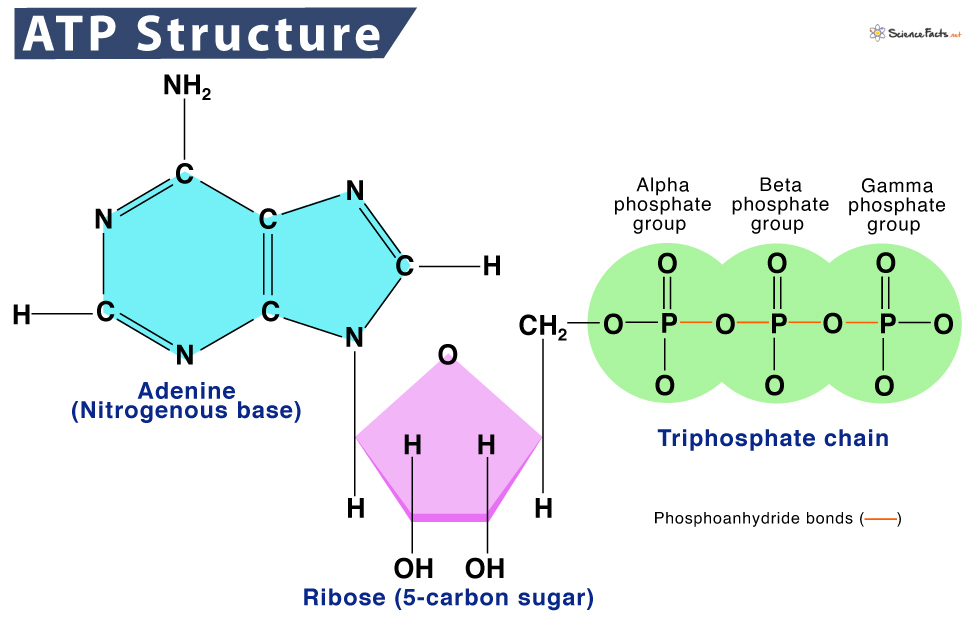
Adenosine triphosphate (ATP) is a complex nucleotide molecule that serves as the primary energy currency in cells. It is composed of three main components: adenosine, a ribose sugar, and three phosphate groups. Together, these components form the structure of ATP, allowing it to carry out its essential functions in cellular energy metabolism.
1. Adenosine:
Adenosine is a nucleoside that serves as the "A" base in ATP. It consists of a nitrogenous base called adenine and a ribose sugar molecule. Adenine is a purine base, meaning it has a double-ring structure. This base provides ATP with the necessary recognition and binding sites for various cellular enzymes and protein receptors. Adenosine is also involved in other physiological processes, such as cell signaling and neurotransmission.
2. Ribose Sugar:
The ribose sugar molecule forms the backbone of ATP. It is a five-carbon sugar and is one of the key components that differentiate ATP from other nucleotides, such as adenosine monophosphate (AMP) or adenosine diphosphate (ADP). The ribose sugar is essential in connecting the phosphate groups to the adenosine moiety, forming the ATP molecule's characteristic structure.
3. Phosphate Groups:
ATP contains three phosphate groups that are sequentially attached to the ribose sugar. These phosphate groups play a crucial role in ATP's function as an energy carrier. The connections between the phosphate groups are high-energy bonds, and their specific arrangement contributes to the stability and reactivity of ATP. The phosphate groups are designated as alpha (α), beta (β), and gamma (γ) based on their relative positions.
The alpha phosphate group is attached to the ribose sugar through a phosphoester bond, and the beta and gamma phosphate groups are attached to the alpha phosphate through phosphoanhydride bonds. These high-energy bonds store potential energy that can be released when ATP is hydrolyzed to ADP (adenosine diphosphate) or further to AMP (adenosine monophosphate) and inorganic phosphate (). The breakdown of ATP releases energy that can be utilized by cells for various physiological processes.
It's important to note that ATP is a dynamic molecule that undergoes continuous synthesis and degradation within cells. ATP is synthesized through cellular respiration, primarily in the mitochondria, and is then utilized in various energy-requiring processes throughout the cell. The constant turnover of ATP ensures that cells have an adequate energy supply for essential functions.
In addition to these core components, ATP can also interact with metal ions and cofactors, such as magnesium (Mg2+), which helps stabilize the ATP molecule and enhance its function. Magnesium ions play a critical role in ATP binding to enzymes and other proteins involved in ATP-dependent reactions.
adenosine triphosphate disodium vs creatine
Adenosine Triphosphate Disodium (ATP-Disodium) and creatine are both compounds involved in cellular energy metabolism, but they have different mechanisms of action and potential benefits.
1. Adenosine Triphosphate Disodium (ATP-Disodium):
ATP-Disodium is a modified form of adenosine triphosphate (ATP) that contains disodium salt. It is often used in research and medical applications as a source of ATP due to its stability and ease of use. When ATP-Disodium is dissolved in water, it releases ATP that can be utilized by the cells for energy.
Benefits of ATP-Disodium:
Provides a direct source of ATP that can be readily used by cells.
ATP-Disodium can be used in laboratory settings to study ATP-dependent processes and to support cellular functions in experimental models.
ATP-Disodium can be used in medical applications and clinical settings where additional ATP is required, such as in certain cardiovascular conditions or mitochondrial disorders.
2. Creatine:
Creatine is a naturally occurring compound found in small amounts in certain foods and is also produced by the body. It is primarily stored in the muscles as creatine phosphate (CP) or phosphocreatine (PCr). During high-intensity exercise, creatine can be rapidly converted into ATP, providing an additional source of energy.
Benefits of Creatine:
Enhances high-intensity exercise performance: Creatine has been extensively studied and has consistently shown to improve strength, power, and short-duration activities that require ATP availability, such as weightlifting and sprinting.
Increases muscle strength and output: Creatine supplementation can improve the rate of ATP regeneration during intense exercise, leading to enhanced muscular strength and performance.
Supports muscle growth and body composition: Creatine has been shown to increase muscle mass, particularly when combined with resistance training. It can also aid in improving body composition by reducing fat mass and increasing lean body mass.
Potentially improves cognitive function: While the evidence is still emerging, some studies suggest that creatine supplementation may have cognitive benefits, such as improved memory and processing speed.
May have neuroprotective properties: There is growing evidence indicating that creatine may have neuroprotective effects, potentially benefiting individuals with neurodegenerative diseases.
Differences Between ATP-Disodium and Creatine:
1. Mechanism of Action:
ATP-Disodium provides a direct source of ATP that can be utilized by cells, while creatine acts as a reservoir of energy that can be rapidly converted into ATP during high-intensity exercise.
2. Forms of Supplementation:
ATP-Disodium is typically used in research and medical applications, dissolved in water or other suitable solutions. Creatine is commonly supplemented in the form of creatine monohydrate or other creatine derivatives.
3. Usage:
ATP-Disodium is primarily used in a laboratory or clinical setting as a source of ATP, while creatine is commonly used as a dietary supplement to support exercise performance and muscle growth.
4. Duration of Effects:
ATP-Disodium's effects are more immediate and short-lived after administration, providing a direct source of ATP. In contrast, creatine supplementation results in increased creatine stores in the muscle, which can provide a more sustained source of ATP during high-intensity activities.
Ultimately, the choice between ATP-Disodium and creatine depends on your specific goals and requirements. If you are looking for a direct source of ATP for research or medical purposes, ATP-Disodium may be the appropriate choice. If your goal is to enhance high-intensity exercise performance, increase muscle strength, and support muscle growth, creatine supplementation may be more suitable.
If you are interested in our company's Adenosine Triphosphate Disodium, please contact Xi'an Sonwu Biotech Co. Ltd.
Email: sales@sonwu.com