




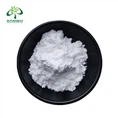
Want to know who in the microscopic biological world can precisely extinguish inflammation like a "fire extinguisher" without paralyzing the body's immune defences?
What is the KPV
KPV peptide (lysine-proline-valine) is a small tripeptide derived from the C-terminus of α-melanocyte-stimulating hormone. Although composed of only three amino acids, it possesses significant biological activity, particularly in anti-inflammatory and immunomodulatory effects. It can reduce the production of inflammatory cytokines (such as TNF-α, IL-6, and IL-1β), regulate immune system activity without broadly suppressing immunity, protect the intestinal epithelium, maintain intestinal barrier integrity, and exhibit antibacterial activity against some bacteria and fungi. Furthermore, it is beneficial for skin health and can promote wound healing. The drug has primarily been studied in experimental and preclinical research, with applications including inflammatory bowel diseases (ulcerative colitis, Crohn's disease), inflammatory skin diseases (psoriasis, eczema, acne), and intestinal health and mucosal protection. Overall, it is a natural bioactive peptide with the potential to regulate inflammation and immunity and promote intestinal and skin health. If you are also interested in KPV, please feel free to contact Xi'an Sonwu.

How KPV Work
KPV are short-chain triamino acid peptides (lysine-proline-valine) derived from α-melanocyte-stimulating hormone. Their main biological activities are reducing inflammation and regulating immune responses. Scientists have been studying their mechanism of action because they appear capable of controlling inflammation without extensively suppressing the immune system.
The following is a brief explanation of the product's in vivo mechanism of action.
1. Inhibition of Inflammatory Signalling
One key mechanism is its ability to inhibit inflammatory signalling pathways. It can inhibit NF-κB signalling, which controls the expression of many inflammatory genes.
When NF-κB is activated, cells release pro-inflammatory cytokines such as TNF-α, IL-6, and IL-1β. KPV can reduce the activation of this pathway, thereby reducing the production of inflammatory cytokines and alleviating tissue inflammation. This can alleviate systemic inflammation and reduce excessive immune responses.

2. Regulation of Immune Cell Activity
KPV also affects the behaviour of immune cells. Studies have shown that it can regulate the activity of macrophages, neutrophils, and epithelial immune cells. KPV does not suppress the immune response but rather helps balance it, maintaining protective immune activity while preventing excessive inflammation. This contributes to improved immune balance and reduced inflammatory damage.
3. Protecting the Intestinal Barrier
Another important mechanism involves protecting the intestinal barrier. In intestinal inflammation, toxins and bacteria weaken the intestinal lining. KPV appears to help stabilize intestinal epithelial cells, reduce inflammatory damage to the intestinal lining, and improve the integrity of the intestinal barrier. This mechanism has prompted researchers to explore the application of KPV in diseases such as inflammatory bowel disease and ulcerative colitis. It effectively alleviates intestinal inflammation and enhances mucosal protection.
4. Antibacterial Effects
Some laboratory studies have shown that KPV also possesses direct antibacterial properties. It may inhibit the growth of certain microorganisms: bacteria and fungi. This antibacterial activity may help reduce inflammation associated with infections, especially in the skin and gastrointestinal tract. It reduces the microbial load in the body and decreases inflammation caused by pathogens.

5. Anti-inflammatory Effects
Because it can inhibit the production of inflammatory cytokines and maintain immune homeostasis, it may also help reduce skin inflammation. Researchers have studied the product in the following diseases: psoriasis and atopic dermatitis. In experimental models, the drug reduced redness and inflammatory signals in skin tissue, alleviating skin inflammation and promoting tissue healing.Currently, most research on it is still in the preclinical or experimental stages. More large-scale human clinical trials are needed before the products are widely approved for therapeutic use.
What are the differences between KPV and BPC-157
Although both KPV and BPC-157 have been studied for promoting tissue healing and controlling inflammation, their mechanisms of action differ.
In short, KPV primarily inhibits inflammatory signalling pathways, while BPC-157 primarily promotes tissue repair and regeneration.
The following is a detailed comparison of their mechanisms of action.
1. Main Mechanisms
KPV: Regulates anti-inflammatory signalling pathways. It is a fragment of α-melanocyte-stimulating hormone and plays an important role in immune regulation. Its main mechanism is to block inflammatory pathways, especially the NF-κB signalling pathway. When NF-κB is activated, cells release inflammatory molecules such as TNF-α, IL-1β, and IL-6. The drug inhibits these signalling pathways, thereby reducing inflammation at the cellular level.
Core Function: Downregulates inflammatory cytokines.
BPC-157: Tissue Repair and Regeneration
The mechanism of action of BPC-157 is quite different. It does not primarily suppress inflammation, but rather promotes tissue repair and vascular healing. One of its key mechanisms is activating the VEGF signalling pathway, thereby stimulating angiogenesis (new blood vessel formation) and improving blood supply to damaged tissues. BPC-157 also interacts with multiple cellular signalling pathways involved in healing and regeneration.
Core Function: Stimulating tissue repair and angiogenesis.

2. Different Cellular Targets and Mechanisms of Action
KPV primarily acts on immune system-related cells and epithelial cells, such as macrophages, neutrophils, and intestinal and skin epithelial cells. Its core function is to regulate immune signalling and suppress inflammatory responses, thereby reducing the release of inflammatory factors. In contrast, BPC-157 primarily acts on tissue repair-related cells, such as fibroblasts, endothelial cells, tendon cells, and muscle cells. Its biological function focuses more on promoting tissue repair, cell regeneration, and post-injury structural reconstruction.
3. Biological Processes and Research Directions
In terms of biological effects, the drug is more prominent in inflammation control and cytokine inhibition, and it also exhibits strong protective effects on the intestinal barrier. Therefore, it is often used in research on inflammatory diseases such as ulcerative colitis, inflammatory bowel disease, and psoriasis. BPC-157 primarily promotes angiogenesis, tissue regeneration, and damage repair, attracting widespread attention in areas such as tendon, ligament, and muscle injuries, nerve repair, and gastrointestinal protection. In short, it is more like "reducing inflammatory signals," while BPC-157 is more like "activating the tissue repair system."
If you would like to inquire about the price of KPV peptides or other product information, please get in touch with Xi'an Sonwu directly.
Email: sales@sonwu.com
Reference:https://peptidehubs.com/articles/pnc-27-how-this-peptide-selectively-targets-cancer-cells-12512.html?utm_source=chatgpt.com