




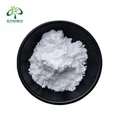
Pure Coenzyme Q10 Powder is a dietary supplement that has acquired prevalence for its potential medical advantages. Coenzyme Q10, otherwise called ubiquinone, is a normally happening compound tracked down in each phone of the body. It plays a very important role in the production of adenosine triphosphate. ATP is the primary energy source for cellular processes. CoQ10 is especially plentiful in organs with high energy requests, like the heart, liver, and kidneys.

While the body can synthesize CoQ10 endogenously, it can likewise be gotten from dietary sources and enhancements. Foods rich in CoQ10 include organ meats (e.g., liver, heart), fatty fish (e.g., salmon, sardines), nuts, seeds, and certain oils (e.g., soybean oil). However, the amount of CoQ10 obtained from diet alone may not be sufficient to meet the body's requirements, especially in individuals with certain health conditions or aging-related decline in CoQ10 levels.
What Does Coenzyme Q10 do to the body
Coenzyme Q10, also known as CoQ10, is a natural antioxidant that the body produces and is also obtained through certain foods and supplements. It plays several essential roles in the body:
1. Energy Production: CoQ10 is involved in the production of adenosine triphosphate (ATP), a particle that fills in as the essential energy hotspot for cell capabilities, especially in the heart, liver, and kidneys. CoQ10 is a fundamental part of the electron transport chain, where it helps shuttle electrons and facilitate ATP synthesis, thereby supporting cellular energy production.
2. Antioxidant Protection: CoQ10 is a potent antioxidant that protects cells from oxidative damage and neutralizes free radicals. It kills destructive free revolutionaries, decreasing oxidative pressure and shielding cells from harm. This antioxidant function is vital for overall health and may have anti-aging effects.

3. Heart Health: CoQ10 is particularly concentrated in the heart muscle, where it assists in maintaining cardiovascular health. It supports the heart's energy needs and overall functioning.
4. Mitochondrial Support: CoQ10 plays a crucial role in mitochondrial function, aiding in the generation of energy and supporting cellular health and function.
Research suggests that CoQ10 may have potential benefits for conditions such as heart failure, high blood pressure, and certain neurological disorders. However, Before starting any new supplement, it's important to talk to a doctor, especially if you already have a health problem or take medication, to make sure it's safe to use.
What Are The Health Benefits
1. Heart Health: CoQ10 supplementation has been studied for its potential benefits in managing heart conditions such as heart failure, hypertension, and coronary artery disease. It may help improve cardiac function, reduce inflammation, and enhance exercise tolerance in individuals with heart-related disorders.
2. Antioxidant Support: CoQ10's antioxidant properties make it beneficial for combating oxidative stress, which is implicated in various age-related diseases, neurodegenerative disorders, and inflammatory conditions.

3. Energy and Exercise Performance: Some research suggests that CoQ10 supplementation may enhance energy levels, endurance, and recovery in competitors and genuinely dynamic people by supporting mitochondrial capability and ATP creation.
4. Migraine Prevention: Migraine headaches can be reduced in both frequency and severity with CoQ10 supplementation, possibly due to its role in mitochondrial function and neuroprotection.
5. Skin Health: CoQ10 is increasingly being incorporated into skincare products for its antioxidant properties and potential benefits in promoting skin health, reducing oxidative damage, and combating signs of aging.
Potential Side Effects and Considerations
Coenzyme Q10 is by and large thought to be ok for a great many people when taken orally in suggested dosages. However, some individuals may experience mild side effects such as gastrointestinal discomfort, nausea, or diarrhea. Rarely, allergic reactions or interactions with certain medications may occur.
1. Allergies: Individuals with known allergies to CoQ10 or other related substances should exercise caution when using CoQ10 powder.
2. Interactions: CoQ10 may interact with certain medications. It's important to consult the healthcare professional, especially if you are taking medications for blood thinning, blood pressure, or diabetes, to ensure there are no adverse interactions.
3. Pregnancy and Breastfeeding: Limited information is available regarding the use of CoQ10 during pregnancy and breastfeeding. It's advisable to consult the healthcare provider before using CoQ10 powder under these circumstances.
4. Gastrointestinal Upset: When taking CoQ10 supplements, some people may experience mild gastrointestinal symptoms such as nausea, diarrhea, or stomach pain.

5. Blood Sugar: CoQ10 may affect blood sugar levels. While utilizing CoQ10 powder, individuals who had diabetes or hypoglycemia ought to intently screen their glucose levels.
6. Dosage: As with any supplement, it's important to adhere to recommended dosages. Excessive intake of CoQ10 may lead to side effects such as insomnia, elevated liver enzymes, or allergic skin rashes.
7. Individual Variability: Each person may respond differently to CoQ10 supplementation. Some individuals may experience no side effects, while others may be more sensitive.
Before taking CoQ10 supplements, you should talk to a doctor, especially if you have underlying health conditions, are pregnant or breastfeeding, or are taking any medications. CoQ10 may interact with some medications, like those for diabetes and blood thinners.
If you want to know more about this product, feel free to contact Xi'an Sonwu.
Email: sales@sonwu.com