




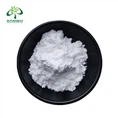
Can a single research compound help scientists study fat burning, endurance, and metabolic health all at once? GW 0742 is a highly selective PPARδ agonist that is increasingly being studied for its potential effects on metabolism, inflammation, and cardiovascular function.
What are the alternative names for GW 0742
SARMS GW 0742, also known as GW 0742 and GSK-0742, with CAS number CAS 317318-84-6, is a research compound developed by GlaxoSmithKline (GSK). It is primarily used in scientific research and is known as a PPAR-δ (peroxisome proliferator-activated receptor δ) agonist. It is used in research on metabolic diseases, cardiovascular health, and energy metabolism, currently mainly in laboratory studies. The mechanism of action of the compound involves the PPAR-δ receptor, which plays a crucial role in lipid metabolism, energy expenditure, muscle fiber type, and cholesterol metabolism. When this receptor is activated, the body may prefer to use fat rather than glucose as an energy source; therefore, this substance is often used in research on obesity, endurance, glucose and lipid metabolism, and inflammation. Due to its high selectivity, the compound has been used in some studies to compare it with other similar substances, helping scientists more precisely understand the role of PPAR-δ in human metabolism. Therefore, scientists use the compound to study physiological processes, such as how the body uses fat for energy, changes in muscle metabolism, and inflammatory responses. If you are also interested in GW 0742, please contact Xi'an Sonwu.

What are the differences between GW 0742 and GW501516
Both GW 0742 and GW501516 are PPARδ agonists, but they differ in potency, selectivity, research context, and safety data.
1. Potency and Selectivity
GW 0742 – In laboratory studies, it is generally considered to have higher potency and selectivity for the PPARδ receptor.
GW501516 – Highly potent, but less selective compared to GW 0742.
This means that it is typically used when scientists require more targeted PPARδ activation.
2. Research Objectives
While both GW 0742 and GW501516 are PPARδ agonists, their research focuses differ.
Research on the compound focuses primarily on its anti-inflammatory effects, its role in metabolic diseases, and its mechanisms of cardiovascular protection. For example, some experimental studies focus on its potential to reduce inflammation, improve lipid metabolism, protect vascular endothelial function, and reduce the risk of atherosclerosis. It is more commonly used in cardiovascular and chronic inflammation-related research.
In contrast, research on GW501516 focuses more on endurance improvement, lipid metabolism, and obesity-related metabolic studies. Researchers typically use it to assess its effects on lipid oxidation capacity, energy utilization efficiency, exercise endurance, and weight and metabolic changes, making it more common in exercise metabolism and obesity research. Simply put, the compound leans more towards medical and anti-inflammatory/cardiovascular research. In contrast, GW501516 leans more towards athletic performance and lipid metabolism research, which is a major difference in their research applications. It is important to note that both are research chemicals, not dietary supplements or approved drugs.

What are the benefits of GW 0742
The compound is a selective PPARO (peroxisome proliferator-activated receptor 8) agonist. It is primarily used in scientific research to explore metabolic regulation, cardiovascular health, inflammatory responses, and endurance enhancement.
1. Metabolic Regulation and Lipid Oxidation
Promoting Lipid Metabolism: GW 0742 enhances fatty acid oxidation, potentially reducing fat accumulation and improving energy efficiency. Potential Role in Obesity and Diabetes Research: Studies suggest it may help regulate glucose metabolism and improve insulin sensitivity.
2. Endurance and Athletic Performance
Enhancing Aerobic Capacity: Similar to GW501516 (Cardarine), it is studied for its ability to improve endurance by increasing mitochondrial activity in skeletal muscle.
Muscle Fiber Adaptation: Muscle components may shift towards oxidative, fatigue-resistant fibers.
3. Cardiovascular Protection
Reducing the Risk of Atherosclerosis: The compound has been studied for its ability to lower blood lipids and reduce plaque formation in arteries. Potential Benefits in Cardiovascular Disease: PPARO activation may help prevent ischemic heart disease and hypertension. 4. Anti-inflammatory effects
Regulation of inflammatory pathways: PPARO activation has been shown to reduce inflammatory responses, making it suitable for treating conditions such as inflammatory bowel disease (IBD) and neuroinflammation. Potential applications in autoimmune diseases: Research is exploring its effects in multiple sclerosis and rheumatoid arthritis.
5. Potential neuroprotective properties of neurological and cognitive functions: Some studies suggest that it may help protect neurons and enhance cognitive function, particularly in neurodegenerative diseases such as Alzheimer's disease.
6. Disease cell population research
Disease cell metabolism: An emerging research effort is investigating the effects of the compound-activated PPARO on the metabolism and growth of disease cells. However, this area is still in its early stages.

What are the uses of GW 0742 in cardiovascular treatment
GW 0742 is a PPARα agonist under investigation for its potential cardiovascular benefits. Studies suggest it may help:
1. Protect the heart and blood vessels
Improve endothelial function (promoting better blood flow)
Reduce inflammation and oxidative stress in the heart
Reduce the risk of atherosclerosis (plaque buildup in arteries).
2. Improve heart failure and hypertension
Enhance energy metabolism in cardiomyocytes.
It helps reduce myocardial fibrosis and stiffness.
It may lower blood pressure by improving vasodilation.
3. Antiarrhythmic effects
Some studies suggest it may stabilize heart rhythm by altering ion channel activity.
If you would like to inquire about the price of SARMS GW 0742 or other product information, please contact Xi'an Sonwu directly.
Email: sales@sonwu.com
References: https://oildecar.com/exploring-the-effects-of-cannabis-on-the-human-body/