




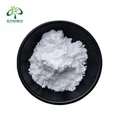
Why are peptides becoming increasingly popular in high-end skincare? As consumers and cosmetic brands seek solutions to improve skin appearance, texture, and overall quality, demand for innovative skincare ingredients keeps growing. Among the many active ingredients in modern beauty formulations, peptides have emerged as a category of significant interest because of their versatility and wide range of cosmetic applications. Common questions-such as "Are tripeptides beneficial for the skin?", "Is Matrixyl better than retinol?", "What are the uses of nonapeptides?", and "Which peptide is best for achieving radiant skin?"-reflect the growing interest in peptide-based skincare ingredients. From everyday skincare products to professional cosmetic formulations, peptides are being explored as key ingredients in anti-aging, moisturizing, and skin-conditioning products.
Among these peptides, Myristoyl Nonapeptide 3 has drawn considerable attention from cosmetic R&D professionals because of its unique structure and potential applications in premium skincare formulations. Understanding the skincare benefits of Myristoyl Nonapeptide 3 helps skincare brands and ingredient researchers better evaluate its role in future cosmetic product development.
What Are the Skin Benefits of Myristoyl Nonapeptide 3
Myristoyl Nonapeptide 3 is a modified peptide ingredient that combines a nonapeptide sequence with a fatty acid component known as myristoyl. Peptides are short chains of amino acids and serve as vital building blocks in biological systems. In cosmetic science, peptides are widely used as functional ingredients because their structure allows them to interact with the skin's surface and support various skincare goals.This structural modification influences the ingredient's properties, including its compatibility with cosmetic formulations and its suitability for oil-based and water-based skincare systems. The potential skincare benefits of Myristoyl Nonapeptide-3 primarily relate to improving the skin's appearance and condition. One key application is in anti-aging skincare formulations. As consumers increasingly seek products that help maintain a youthful complexion, peptides have become a popular choice in high-end skincare. Myristoyl Nonapeptide-3 can be used in formulations designed to smooth the skin, improve skin texture, and create a more refined complexion. Another potential benefit is enhancing skin radiance and overall skin quality. Modern consumers seek not only anti-aging solutions but also healthier, more radiant skin. Peptides are often combined with humectants, antioxidants, and other active ingredients to create multifunctional skincare products. Furthermore, Myristoyl Nonapeptide-3 is highly attractive to cosmetic manufacturers because it can be incorporated into various product formats, including serums, creams, masks, and specialty beauty products. This versatility makes it an ideal ingredient choice for brands developing innovative skincare solutions.
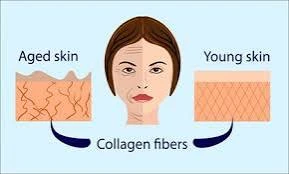
How Do Tripeptides, Nonapeptides, and Matrixyl Compare in Skincare
Different peptides possess distinct structures and cosmetic applications. Understanding the differences between well-known peptides-such as tripeptides, nonapeptides, and Matrixyl-helps formulators select the right ingredients for specific skincare concepts.
Tripeptides consist of three amino acids and are among the most commonly used peptides in cosmetics. They are typically found in formulations designed to condition the skin, provide hydration, and improve the appearance of fine lines. Because of their relatively small molecular size, tripeptides are widely used across a range of skincare products.
Nonapeptides, including Myristoyl Nonapeptide 3, are composed of nine amino acids and represent a more advanced class of peptides. Their longer peptide chains-compared to shorter peptides-impart unique structural characteristics. Cosmetic developers are increasingly interested in nonapeptides, as they offer new possibilities for creating differentiated skincare products.
When comparing Matrixyl and retinol, the answer depends on the formulation's intended use. Retinol, a derivative of Vitamin A, is renowned in the skincare industry for promoting skin renewal and addressing visible signs of aging. However, some users may experience adverse reactions when using retinol-based products. Matrixyl is a popular peptide ingredient with a different mechanism of action; it is frequently used in anti-aging formulations to improve skin smoothness and firmness. Many cosmetic brands use peptides as alternatives to, or alongside, other active ingredients.
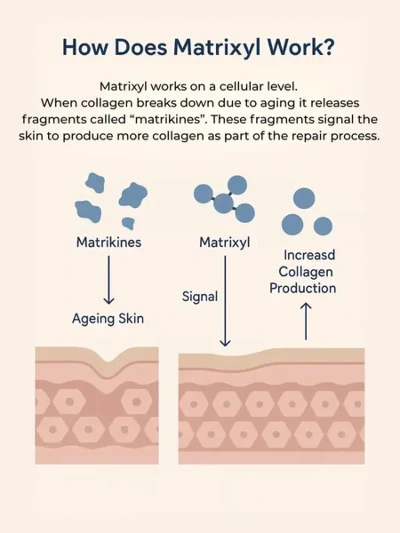
Matrixyl is a popular peptide ingredient with a distinct mechanism of action. It is frequently used in anti-aging skincare formulations to improve skin smoothness and firmness. Many cosmetic brands use peptides as alternatives to or complements to other ingredients; specifically, they can serve as an alternative to retinol, making them ideal for consumers who prefer gentler skincare regimens.
Modern formulation strategies have moved beyond simply comparing whether one ingredient is absolutely superior to another; instead, they focus on combining multiple active ingredients to achieve balanced skincare benefits. Peptides, retinol, antioxidants, and moisturizers can work synergistically to create comprehensive skincare solutions.
Why Is Myristoyl Nonapeptide 3 Important for Future Skincare Development
The skincare industry is evolving toward more targeted ingredients and scientifically driven R&D. Consumers increasingly expect products that deliver multiple benefits-such as improved skin texture, enhanced hydration, increased firmness, and a brighter complexion. This trend has sparked significant interest in advanced peptide ingredients like Myristoyl Nonapeptide 3. As a cosmetic-grade peptide, it lets manufacturers develop innovative products that meet growing market demand for high-performance skincare.
Peptides are becoming increasingly important for brands focused on skin-brightening products. Skin radiance is often closely linked to moisture-oil balance, refined texture, and overall skin health. Consequently, cosmetic formulators often combine peptides with other functional ingredients to create formulas designed to improve skin quality more comprehensively.
The future of peptide-based skincare will focus on enhancing ingredient stability, optimizing formulations, and employing strategies that combine multiple active ingredients. In a highly competitive market, as brands seek unique solutions, ingredients like Myristoyl Nonapeptide 3 are poised to remain a focal point. For cosmetic manufacturers, selecting high-quality peptide ingredients is a critical step in developing reliable and effective products. Suppliers with professional manufacturing capabilities and robust quality control systems can provide the essential technical support and ingredient data needed for skincare formulation development.
Enterprises interested in learning more about the specifications, applications, and procurement information for Myristoyl Nonapeptide 3 may contact Xi'an Sonwu for further product details.
Email: sales@sonwu.com