




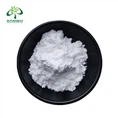
Seractide is a peptide related to human adrenocorticotropic hormone (ACTH), a key regulator of adrenal hormone production. In particular, the compound acetate is described as the acetate salt of full-length human corticotropin, corresponding to ACTH 1–39. Because ACTH plays an important role in stimulating the adrenal cortex, it is of interest in endocrine research, adrenal physiology, steroidogenesis, and studies of the hypothalamic-pituitary-adrenal (HPA) axis.
Understanding what it is requires distinguishing the full-length ACTH 1–39 sequence from shorter ACTH analogues such as tetracosactide (ACTH 1–24). Although these peptides share important biological activity, they are not structurally identical. This article explains it's alternative names, biological role, research applications, relationship with tetracosactide, and potential ACTH-related effects.
What Is Seractide and What Are Its Alternative Names
Seractide powder is associated with full-length human corticotropin, also known as adrenocorticotropic hormone or ACTH. Seractide acetate specifically refers to the acetate salt form. The natural human ACTH molecule contains 39 amino acids and is produced by the pituitary gland as part of the body's endocrine response system.
Commonly encountered names and descriptions include the compound acetate, ACTH 1–39, human corticotropin, human adrenocorticotropic hormone, corticotropin (human), and adrenocorticotropic hormone (ACTH). These terms should not always be treated as interchangeable product names, however, because formulation, salt form, and regulatory context can differ.
The biological importance of ACTH comes from its interaction with the melanocortin 2 receptor (MC2R) on cells of the adrenal cortex. Activation of this receptor promotes adrenal steroidogenesis, particularly the production of cortisol. ACTH therefore serves as an important signaling molecule connecting pituitary activity with adrenal hormone production.From a research perspective, full-length ACTH 1–39 is useful for investigating the biological activity of ACTH itself. Researchers may examine ACTH receptor signaling, adrenal steroid production, HPA-axis regulation, and mechanisms involved in endocrine responses.

What is Seractide used for
The main research value of Seractide comes from its relationship to ACTH-mediated adrenal signaling. Rather than functioning as a steroid itself, ACTH acts as a hormonal signal that stimulates the adrenal cortex to produce steroid hormones.
One important area of research is adrenal physiology. ACTH can be used to investigate how adrenal tissue responds to hormonal stimulation and how changes in ACTH signaling influence cortisol production. This makes ACTH-related peptides relevant to studies of adrenal function and endocrine disorders.
Another major area is HPA-axis research. The HPA axis involves communication between the hypothalamus, pituitary gland, and adrenal glands. The hypothalamus releases corticotropin-releasing hormone (CRH), which contributes to pituitary ACTH production. ACTH then stimulates the adrenal cortex, while circulating cortisol participates in negative feedback regulation of the hypothalamus and pituitary.
The compound is also relevant to research into steroidogenesis and MC2R signaling. Scientists can use ACTH-related compounds to examine how receptor activation influences the synthesis of adrenal steroid hormones. These studies may contribute to a better understanding of endocrine signaling and the development or evaluation of compounds that interact with adrenal pathways.
ACTH preparations also have an established clinical context in the assessment of adrenal responsiveness. However, the specific medical use of an ACTH preparation depends on its formulation, regulatory status, and clinical setting. Research-grade Seractide should therefore not be presented as a substitute for an approved clinical product or as a self-administered treatment.

Are Seractide and tetracosactide the same
Seractide and tetracosactide are related ACTH peptides, but they are not the same compound. The most important difference is their peptide length and sequence.Seractide and tetracosactide are closely related ACTH peptides but differ in their molecular structure and applications. Seractide corresponds to full-length ACTH 1–39 and contains 39 amino acids, while tetracosactide is ACTH 1–24 and contains only the N-terminal 24 amino acids of ACTH. Both peptides can interact with the melanocortin 2 receptor (MC2R) and stimulate adrenal steroid production. The compound is particularly relevant to research on full-length ACTH biology, endocrine signaling, and adrenal physiology, whereas tetracosactide is widely associated with ACTH stimulation testing and the evaluation of adrenal function in clinical settings.
Tetracosactide contains the first 24 amino acids of ACTH. This region contains the key biological activity responsible for stimulating the adrenal cortex through MC2R. As a result, tetracosactide can produce ACTH-like effects even though it is shorter than the natural 39-amino-acid hormone.
The distinction is important for researchers because ACTH 1–39 and ACTH 1–24 should not be treated as structurally identical research materials. Their sequence length, formulation, stability characteristics, and intended applications may differ.
What Are The Side Effects Of Seractide
Because ACTH stimulates adrenal hormone production, the potential physiological effects of an ACTH-related compound are closely connected to the degree and duration of adrenal stimulation. Effects can vary according to formulation, exposure, dose, duration, and individual response.
ACTH-driven increases in adrenal steroid production may influence processes associated with cortisol and other adrenal hormones. Depending on the circumstances, excessive or prolonged adrenal stimulation may be associated with changes in blood pressure, glucose metabolism, fluid balance, mood, sleep, or electrolyte regulation.
For clinical ACTH preparations, adverse reactions can also depend on the specific formulation and route of administration. Therefore, a general list of corticosteroid-related effects should not automatically be interpreted as a complete or product-specific safety profile for the compound.
Research-grade the compound should be handled according to appropriate laboratory procedures and should not be presented as a product intended for unsupervised human use. Clinical administration of ACTH-related medicines requires qualified medical supervision and an appropriate approved formulation.
Seractide is particularly relevant to researchers interested in the relationship between pituitary signaling and adrenal steroid production. As a full-length ACTH 1–39 peptide, it provides a useful reference point for studying ACTH biology, HPA-axis regulation, MC2R signaling, and adrenal steroidogenesis.
For pharmaceutical and peptide research, understanding the distinction between full-length ACTH 1–39 and shorter analogues such as tetracosactide is also important when selecting research materials. Researchers should evaluate peptide identity, sequence, salt form, purity, analytical specifications, and intended application before selecting a material.

For researchers and pharmaceutical developers seeking information about Seractide powder or related peptide raw materials, Xi'an Sonwu Biotech Co., Ltd. can provide product information and specifications for research purposes.
Email: sales@sonwu.com
References:https://go.drugbank.com/drugs/DB09334?utm_source=chatgpt.com