




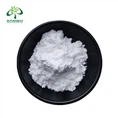
Is Creatine All Natural
99 creatine monohydrate powder is found naturally in the human body, particularly in skeletal muscle. About 90 to 95 percent of creatine is stored in muscles, with the remainder located in the heart, brain, liver, kidneys, testicles, and nearly every cell. It is formed mainly in the liver, pancreas, and kidneys with the help of the amino acids glycine, arginine, and methionine. Currently, this supplement is one of the "most widely used nutritional supplements or boosters" on the market. It is taken in supplement form to help promote energy production in the body. This compound has the effect of storing phosphate groups in the form of creatine phosphate (also known as creatine phosphate), which supports the release of energy and, therefore, contributes to strength and muscle mass gains.
Creatine monohydrate is not a steroid, nor is it an unnatural/artificial product. It is a form of creatine with the chemical name methylguanidinoacetic acid. It is a crystalline form of creatine, unlike anhydrous creatine and creatine salts (salts of creatine combined with certain cations). Creatine monohydrate acts similarly to creatine in the body. During high-intensity exercise, creatine phosphate, stored in muscles, can supply the muscles with energy. It is believed that creatine monohydrate increases muscular storage of creatine, which makes it a more substantial energy source and enhances athletic performance as well as muscle strength. Some sportsmen and fitness enthusiasts use creatine monohydrate as a sports nutrition supplement to boost muscle mass and improve athletic performance. If you are interested in this supplement and want to get pure creatine powder, you can contact Xi'an Sonwu online anytime.

What Does Creatine Monohydrate Do
Benefits associated with taking/consuming this supplement may include:
1. Help protein synthesis, thereby increasing lean muscle growth. Creatine also improves muscles are filled with more water. Some studies have found that taking creatine supplements for one week can lead to a weight gain of approximately 0.9-2.2 kg (2.0-4.6 lbs).

2. Increase intensity and power output. Our muscles have a certain amount of creatine storage capacity. However, it rises with muscle mass. Supplementing during intense physical activity helps to sustain effort and minimize exhaustion by regenerating ATP stores more quickly.
3. May help improve muscle and exercise recovery, such as maximizing the effects of strength training.
4. Seems to help maximize performance during high-intensity interval training (HIIT). Studies have found that it improves work performed during maximal effort muscle contraction, single sprint performance, and repeated sprint performance.
5. Neuroprotective properties (may help protect the brain).
6. Cognitive enhancement, such as increased alertness, attention, and focus. Studies on animals and tiny pilot studies in people suggest that it may help lessen the severity of depression symptoms.
7. Cardioprotective qualities, which could aid in preserving blood arteries and the heart. Additionally, it has been demonstrated to enhance anaerobic cardiovascular capability and endurance.

8. May reduce fatigue.
9. May help increase bone density when combined with resistance training.
Does Creatine Have Negative Effects
Generally speaking, creatine is safe, but there are some dangers of creatine. Some people may not respond well to higher doses, such as if they have kidney problems or an enzyme defect that makes it difficult to digest protein.
Some studies suggest that creatine side effects may include:
Water retention causes weight gain, occasionally reaching 3 to 5 pounds daily if excessive dosages are used.
Stomach ache
Diarrhea
Nausea
Cramp
Constipate
Restless
Some studies have looked at the effects of supplements on the kidneys but haven't found much evidence that they damage the kidneys in most healthy people without kidney disease.
It is the kidneys' responsibility to break down and metabolize creatine so that the body can eliminate it as urine. However, most people are not at risk while taking this in frequent or moderate dosages.

Should I Take Creatine Monohydrate Everyday
Creatine is taken every eight weeks as a cycle, and each process is divided into two phases.
The first stage is the accumulation period of 20 grams per day, lasting one week. That is 5 grams each time, four times a day, usually 5 grams each in the morning, at noon, before training, and after exercise.
The second phase is a maintenance period of 5 grams per day for seven weeks. That is, take 5 grams 15-30 minutes before each training or after training.
After each cycle, stop for one week before starting the following process.

Please note
Creatine cannot be taken with boiled water, orange juice, or caffeinated drinks. But you can take creatine with sugary beverages to increase creatine absorption into your muscle cells. During the period of taking it, you should drink enough water daily to ensure the hydration of cells to prevent side effects such as muscle tightness, stiffness, cramps, and metabolic burden.
Despite not being a medication, prolonged high doses of creatine can put additional strain on the kidneys, liver, and other organs. Therefore, for general fitness trainers, a scientific and reasonably balanced diet is sufficient for a day's nutritional needs, and there is no need to take additional creatine.
1. When taking creatine, the dosage and time must be controlled reasonably. Excess creatine is uneconomical and can increase water weight, muscle cramps, and metabolic burden. It is generally taken between meals, 30-60 minutes before training or competition, and after exercise. That can give full play to the best effects of creatine: taking it before a workout can quickly replenish energy, and taking it after practice makes full use of the strong absorption capacity of muscle cells for creatine for quick replenishment.
2. The creatine consumption should match the training content, such as strength or speed. While taking creatine, be careful not to overtrain to prevent muscle and ligament strain. At the same time, protein and other nutritional supplements should be used to provide sufficient raw materials for muscle growth. Otherwise, there will be no ideal weight gain.
3. While taking creatine, you should add enough water every day to ensure the progress of cell hydration and prevent the side effects of muscle tightness, stiffness, or spasms after using creatine. However, creatine cannot be brewed with hot water to avoid the structural change of creatine hydrate. At the same time, it cannot be taken together with orange juice or caffeinated drinks because the acidic substances contained in the former will denature the creatine hydrate into waste, and caffeine has a dehydrating effect on the body, which will affect the hydration of muscle cells.
4. Creatine should be taken together with grape juice or other sugary drinks (except fructose) because the increase in insulin concentration caused by sugar accelerates creatine absorption by muscle cells. Studies have shown that taking creatine and sugar together can increase the reserve of creatine phosphate in the muscles by 60%.
5. High-purity creatine monohydrate is an ideal supplement. Many studies have shown that oral administration of creatine phosphate and creatine citrate is ineffective in filling creatine phosphate in the muscles.
6. Creatine powder is easier to be absorbed and utilized by the body than capsules and tablets.
7. Since taking creatine will cause weight gain, athletes who need to control or lose weight should use it cautiously.
Creatine monohydrate can be used as a food additive, cosmetic surfactant, feed additive, beverage additive, pharmaceutical raw material, and health product additive. It can also be directly made into capsules for oral administration. If you want to know about creatine manufacturers, you can contact Xi'an Sonwu. Get high-quality creatine supplements with just a click of your email.
Email: sales@sonwu.com