




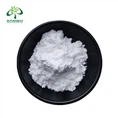
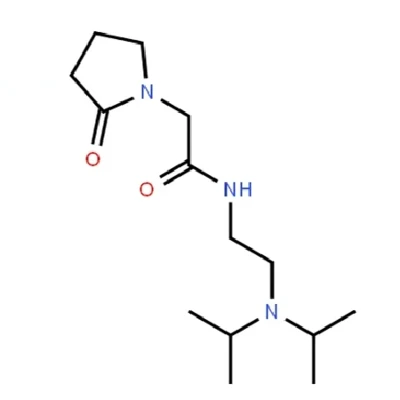
Pramiracetam is a synthetic compound belonging to the "racetam family" of cognitive research compounds. While structurally related to piracetam, it possesses a distinct chemical structure and research history. Interest in the compound has primarily focused on memory, learning, and cognitive performance; in contrast, piracetam has been more extensively studied in clinical settings involving cognitive impairment and neurological disorders.
This distinction is crucial when evaluating the two compounds. Similarity in name does not imply identical uses, evidence bases, or regulatory statuses. For researchers and institutions studying cognitive compounds, focusing on specific study populations, research designs, and regulatory environments is more beneficial than treating all racetams as interchangeable.
What are the uses of pramiracetam?
Research on pramiracetam capsules has primarily focused on memory and cognitive function. Studies have included both experimental models and human trials involving subjects with cognitive deficits resulting from neurological injury.
One frequently cited clinical trial evaluated the effects of the compound sulfate on middle-aged and younger men experiencing memory and other cognitive issues due to head trauma or hypoxia. This double-masked, placebo-controlled study reported improvements in several memory metrics, particularly delayed recall. The study employed a specific protocol in which subjects took 400 mg of the compound sulfate three times daily.
While this study helps explain the compound's ongoing research interest, it should not be interpreted as evidence that it improves memory in healthy individuals; the participants had specific neurological histories, and the research was conducted in a controlled scientific setting.
Therefore, a useful approach is to distinguish between research applications and established medical indications. Research interests include memory and recall, learning and cognitive performance, cognitive issues associated with neurological injury, and experimental studies of cognitive mechanisms.
The evidence base is much more limited than the extensive literature on piracetam. Consequently, it is essential to carefully examine individual studies rather than assuming that findings for one racetam automatically apply to another.
Pramiracetam vs. Piracetam: What is the difference?
Pramiracetam and piracetam both belong to the "racetam" class of drugs, yet they differ in their research history and areas of study. Piracetam is the prototype of this class and boasts a longer history of clinical research, particularly regarding cognitive impairment and various neurological disorders. In contrast, human research data on pramiracetam is relatively limited; interest has focused primarily on memory, learning, and cognitive function (including research into cognitive issues following neurological injury). Although the two compounds are structurally related, research findings regarding piracetam cannot be directly extrapolated to pramiracetam. Furthermore, their clinical applications, evidence bases, and regulatory classifications vary by jurisdiction and intended use; therefore, research and regulatory review specific to each compound are essential when evaluating these substances.
This comparison highlights a key point: belonging to the same chemical family does not imply clinical interchangeability. Consequently, when evaluating pramiracetam, researchers should rely on evidence specific to pramiracetam rather than directly applying findings from piracetam studies.
What is piracetam used to treat?
Piracetam has a longer history of clinical research. It has been studied for the treatment of cognitive impairment, dementia, and various neurological conditions. In some countries, it is prescribed for specific neurological disorders, although approved indications vary by jurisdiction.
However, the evidence is inconclusive. A Cochrane systematic review on the use of piracetam for dementia and cognitive impairment concluded that existing published evidence does not support its use for these conditions, noting significant limitations and inconsistent results in previous studies. More recent evidence also suggests caution. A systematic review and meta-analysis of 18 studies involving 886 adults with memory impairment found no statistically significant clinical difference between piracetam and placebo in memory improvement and observed significant heterogeneity among the studies. So, what exactly is piracetam used to treat? The most accurate answer is that while piracetam has been studied for-and (in some jurisdictions) used to treat-cognitive and neurological disorders, the strength of the evidence and the approved indications vary. This distinction matters especially for online health content. A compound may have a long history of medical research, but that does not mean strong evidence supports every condition for which it is promoted. Therefore, evaluate the compound and piracetam separately. Piracetam has a more extensive body of clinical literature, whereas research interest in pramiracetam, while more limited, is more specific-including studies on its effects on memory following brain injury.
What Is The Dosage For Pramiracetam, Is It Legal
Regarding the "correct" dosage of pramiracetam, it is impossible to provide a single, universally applicable recommendation. No recognized standard dosage exists for individual self-administration, and research protocols should not be adopted as consumer usage guidelines.
A frequently cited clinical study on the compound utilized a dosage of 400 mg three times daily; however, this dosage applied only to a specific controlled study involving men with cognitive impairment following brain injury or hypoxia. Therefore, view this as a research protocol, not a general recommendation.
This distinction is crucial when sharing information about research chemicals online. Research dosages, therapeutic dosages, commercially recommended dosages, and appropriate individual dosages are not necessarily the same. Factors such as medical history, renal function, concomitant medications, age, and the intended use all influence risk assessment. Anyone considering self-administration should consult a qualified healthcare professional.
There is also no globally uniform answer regarding the legality of pramiracetam. Its regulatory status depends on the country, product classification, intended use, marketing claims, and distribution methods. For instance, literature indicates that in the context of such promotional claims, these products are treated as unapproved new drugs. However, this does not establish the regulatory status of various pramiracetam products across all countries; rather, it highlights why organizations should evaluate local regulations instead of relying solely on simplistic labels like "legal" or "illegal."
For laboratories, research institutions, and raw material purchasers, regulatory review is just one component of the procurement process. When evaluating a research compound, factors such as material properties, purity, analytical testing, batch consistency, specifications, and Certificates of Analysis (COA) are equally critical.
Therefore, organizations planning to procure pramiracetam powder for legitimate research purposes should consider analytical data, testing standards, packaging requirements, and bulk supply capabilities.
For more information about Pramiracetam capsules, please feel free to contact Xi'an Sonwu.
Email: sales@sonwu.com
References:https://www.ijest.org/nootropics/pramiracetam/