




What Is 7,8-Dihydroxyflavone and How Does It Work
7,8-Dihydroxy Flavone is a naturally occurring flavonoid structure containing two hydroxyl groups at the 7 and 8 positions of its flavone backbone. Its molecular formula is C15H10O4, with a molecular weight of approximately 254.24 g/mol. It is also known by names such as 7,8-DHF and 7,8-dihydroxy-2-phenylchromen-4-one.
The main reason researchers study 7,8-DHF is its reported relationship with the BDNF/TrkB signaling pathway. BDNF is an important neurotrophin involved in neuronal development, survival, synaptic plasticity, and other processes within the nervous system. Normally, BDNF produces many of these effects by binding to the TrkB receptor.
Early research identified 7,8-DHF as a small-molecule TrkB agonist. Experimental studies reported that the compound could activate TrkB and stimulate downstream signaling pathways associated with neuronal function. In animal models, administration of 7,8-DHF was also associated with TrkB activation in the brain.
Further biochemical research examined how 7,8-DHF interacts with TrkB. One study reported interaction between 7,8-DHF and the extracellular domain of the receptor and identified differences between 7,8-DHF and BDNF in their patterns of TrkB activation. These findings have helped researchers better understand why a relatively small flavonoid molecule can influence a pathway normally activated by a much larger neurotrophic protein.
Importantly, 7,8-DHF should not simply be described as "BDNF." It is a separate small molecule that has been investigated as a BDNF mimetic or TrkB agonist. Its pharmacology, receptor interactions, metabolism, and biological effects are not identical to those of naturally occurring BDNF.

What Are the Potential Benefits of 7,8-Dihydroxyflavone
Interest in 7,8-DHF has grown largely because of findings from preclinical research. Rather than demonstrating established medical benefits, these studies provide clues about biological pathways that may be worth investigating further.
One major research area is neuronal protection. Early experiments reported that 7,8-DHF protected neurons from certain forms of cellular stress in a TrkB-dependent manner. Animal studies subsequently investigated the compound in models involving neurological injury and neurodegeneration, including Parkinsonian models.
Another area of interest is synaptic plasticity and memory-related research. Because BDNF/TrkB signaling is closely connected with synaptic function, researchers have examined whether activating TrkB with 7,8-DHF can influence learning and memory-related processes. For example, studies in aged rodents reported changes in TrkB activation, spine density, synaptic plasticity, and performance in specific memory tasks following experimental treatment.
7,8-DHF has also been studied in models involving oxidative stress and neuronal injury. Research using retinal cells and animal models found that 7,8-DHF could activate BDNF/TrkB-related signaling and influence downstream pathways associated with cell survival. These findings have expanded interest in the compound beyond conventional cognitive research.
These results are scientifically interesting, but they should be interpreted carefully. A positive result in a mouse model or cultured cell does not establish that the same effect will occur in humans. Factors such as dosage, metabolism, bioavailability, long-term exposure, and differences between animal and human biology all require further investigation.
For this reason, 7,8-DHF is better viewed as a research compound with potential neurotrophic activity rather than as an established treatment for neurological or cognitive conditions.

What Should You Know About 7,8-Dihydroxyflavone Powder
For laboratories and researchers working with 7,8-DHF, the physical and chemical characteristics of the product can be just as important as its reported biological activity.
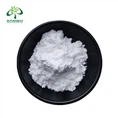
PubChem lists 7,8-DHF as a pale yellow the compound and reports that it is very slightly soluble, which means that solvent selection and experimental formulation can be important considerations when designing laboratory studies.
When evaluating 7,8-Dihydroxyflavone powder, researchers may therefore consider several quality-related factors. These can include identity confirmation, assay or purity, batch-to-batch consistency, appearance, storage conditions, and appropriate analytical documentation. Depending on the intended experiment, analytical methods such as HPLC and mass spectrometry may also be useful for confirming compound identity and quality.
Purity is particularly relevant when a compound is being used in cell-based or biochemical experiments. Impurities can potentially affect experimental results, especially when researchers are examining receptor activation, signaling pathways, or concentration-dependent responses. A clearly documented specification can make it easier to compare results between experiments and different batches.
Storage is another practical consideration. As with other research chemicals, researchers should follow the supplier's recommended storage conditions and consult the relevant certificate of analysis and safety documentation before use. The appropriate solvent and preparation method should also be determined according to the specific experimental protocol rather than assuming that all applications require the same formulation.
The Research Outlook for 7,8-Dihydroxyflavone
The continuing interest in 7,8-DHF comes from its connection with the BDNF/TrkB pathway, one of the important signaling systems investigated in neuroscience. Research has explored its potential relevance to neuronal survival, synaptic plasticity, oxidative stress, and several experimental models of neurological dysfunction.
At the same time, the compound remains an area of preclinical research rather than an established human therapy. Future studies will need to clarify questions surrounding pharmacokinetics, metabolism, formulation, long-term safety, receptor selectivity, and reproducibility across different experimental systems.
For researchers evaluating 7,8-Dihydroxyflavone powder, understanding both the biology of the compound and the quality of the material being studied is therefore important. A well-characterized research material can provide a more reliable foundation for investigating TrkB signaling and related biological pathways.
Interested in learning more about 7,8-DHF powder? Explore our product information and research-grade specifications, or contact xi'an sonwu team to discuss your specific requirements.
Email: sales@sonwu.com